The journalists who risked truth during the Cold War
Journalists played a vital role during the Cold War by bravely reporting on censored information, risking their lives to uncover the truth. Key figures like Edward R. Murrow and Christiane Amanpour showcased immense courage in challenging oppressive regimes. Their sacrifices have had a lasting impact, inspiring modern journalists to stand up for press freedom and transparency, emphasizing the importance of a free press in democracy.
Cold War journalism transformed the landscape of reporting, pushing boundaries in a time of censorship. Let’s dive into the stories of those brave reporters who risked it all.
The role of journalists in the Cold War
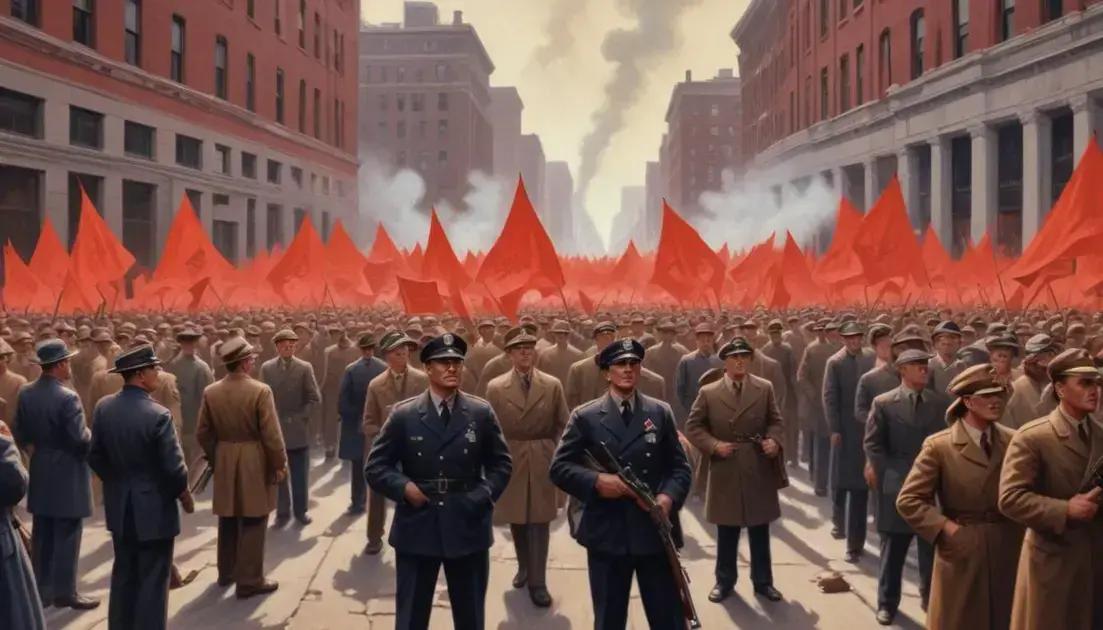
Journalists played a crucial role during the Cold War. They were the ones who reported on the tension and conflicts between the East and the West. These reporters faced major risks while trying to uncover the truth.
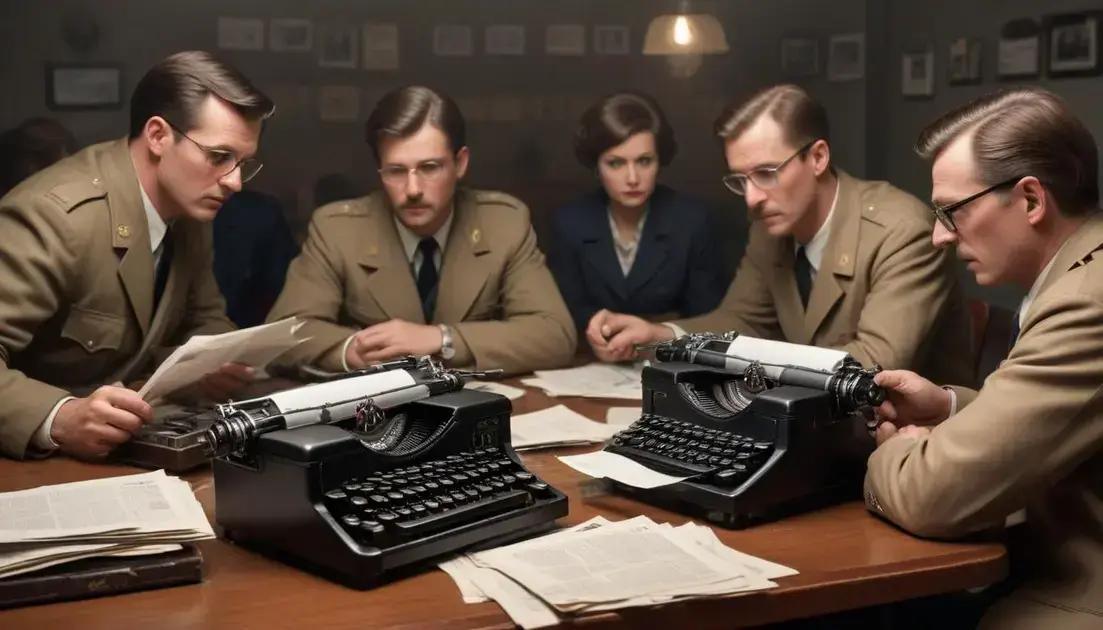
Many journalists traveled to dangerous areas to gather news. Some even worked undercover to reveal what was really happening. They used their skills to tell stories that others wouldn’t.
The Dangers They Faced
Being a journalist during this time was not easy. They often faced threats to their safety. Some journalists were jailed or even harmed because of their work. Despite these dangers, they continued to pursue their mission.
Famous Cold War Journalists
Some famous journalists became known for their bravery. For example, Edward R. Murrow used radio to inform people about the events happening overseas.
His reports brought the realities of war into living rooms across America. Another notable figure was Martha Gellhorn, who reported from the front lines during the Vietnam War.
These journalists brought important stories to light. They helped people understand the complexities of the Cold War. By sharing these stories, they educated the public and sparked conversations about peace and diplomacy.
Key figures who challenged censorship
During the Cold War, many key figures stood up against censorship. These individuals showed great courage and resilience. They aimed to bring truth to the public.
One famous journalist, John Pilger, reported on wars and human rights issues. His brave work highlighted the impact of government actions. He faced backlash for revealing uncomfortable truths.
Another notable figure was Christiane Amanpour. She reported from conflict zones and fought for press freedom. Her fearless reporting inspired many others to challenge censorship.
Impact of Their Work
These journalists changed how people saw the news. They revealed the importance of freedom of speech. By sharing their stories, they encouraged others to ask questions.
Their dedication helped to uncover hidden truths. This allowed people to understand the reality of their world better. Their stories sparked discussions about justice and accountability.
Stories of bravery and sacrifice
Many journalists showed incredible bravery during the Cold War. They risked their lives to tell important stories. Some went to war zones, facing bullets and bombs.
One famous story is about a journalist named Walter Cronkite. He reported on the Vietnam War and faced danger to deliver the truth. His honest reporting changed public opinion about the war.
Another brave journalist, Anne Garrels, covered conflicts in Iraq. She worked hard to share the stories of those affected by the war. Her dedication to getting the facts out was truly inspiring.
Facing the Unknown
These journalists often worked in dangerous places. They had to overcome fears to capture real-life stories. Many of them had to make tough choices each day.
Each story they reported contributed to our understanding of events. Their efforts showed the power of storytelling in challenging times. Through their sacrifices, they paved the way for future journalists.
The impact of their work today
The impact of journalists during the Cold War is still felt today. Their courage inspired many to seek the truth. Because of them, we have a better understanding of freedom of the press.
Today, many journalists continue their work in challenging environments. Their dedication has paved the way for press freedom globally. Reports from war zones today often echo the stories from past conflicts.
These reporters have shown that courage can lead to change. Their work encourages others to speak out against injustice. It reminds us how important honest reporting is to democracy.
Continued Influence on Journalism
Modern journalists often look back at these brave figures for inspiration. They learn about the past to face today’s challenges. The lessons from the Cold War are relevant even now.
By standing up for truth, journalists keep the public informed. Their stories help people understand complex issues. This legacy of bravery continues to shape the world today.
Conclusion
In conclusion, the bravery of journalists during the Cold War shaped the way we understand freedom and truth today. Their motivations have inspired countless reporters to continue the fight against censorship and injustice. By standing up for what is right, they created a legacy that lives on.
Today’s journalists draw from these historical examples as they face challenges in their own work. Understanding their sacrifices helps us appreciate the importance of a free press. By honoring these stories, we remind ourselves of the value of truth in our society. Ultimately, the impact of their work is felt in our ongoing quest for transparency and justice.