The Propaganda Machine of the USSR
Soviet propaganda had a significant impact on society, using powerful visuals and symbols to shape public perception and create a shared identity. Key symbols like the hammer and sickle represented unity among workers, while the red star symbolized communism. Modern interpretations of this propaganda illustrate its lingering effects on art and culture, emphasizing the importance of critical thinking in today’s media landscape. By learning from historical propaganda techniques, individuals can navigate the complexities of modern communication more effectively.
In the vast landscape of history, Soviet imagery was not just art—it was a tool of power. Curious about how it shaped perceptions? Let’s dive in!
The role of propaganda in the USSR
The role of propaganda in the USSR was crucial for shaping how people thought. It wasn’t just about messages, but also images that influenced minds. The government knew that visuals could convey strong emotions and ideas quickly. This made propaganda very powerful.
Posters, films, and speeches all played a big part. For example, colorful posters with bold slogans were everywhere. They pushed the ideas of hard work and patriotism. Often, these images showcased happy workers or soldiers, creating a belief in a bright future.
How Propaganda Influenced Society
Propaganda helped create a sense of unity. People were made to feel part of something bigger than themselves. By showing heroic figures, the state built trust and loyalty. These figures were portrayed as role models, guiding everyone towards a common goal.
Additionally, propaganda was used to spread fear about enemies. By depicting threats from outside the USSR, the government strengthened support for its policies. This created a us-versus-them mentality that kept many loyal to the regime.
Everyday Life and Propaganda
In everyday life, propaganda was everywhere, from schools to workplaces. Children learned the values of the state through lessons and songs. Adults saw propaganda in their jobs, with posters encouraging productivity and morale.
Even cultural events like movies and parades were carefully planned. They showcased Soviet achievements and ideals. These events made people feel proud of their nation, strengthening their bond with the state.
Overall, the impact of propaganda on Soviet society was deep and lasting. It not only shaped public opinion but also influenced how people viewed their roles in the world.
Visual arts and state messaging
Visual arts played a major role in state messaging during the USSR. The government used art to share its ideas and values. From posters to murals, every piece had a purpose. These artworks were designed to inspire and motivate the public.
Artists were often seen as tools for the state. They created works that matched government goals. It was common to see themes of unity, strength, and patriotism. Joyful scenes of happy workers were favorites. This made people feel proud and connected to their nation.
The Power of Posters
Posters were everywhere. They filled streets, schools, and workplaces. Bright colors and catchy slogans caught people’s attention quickly. These posters often encouraged hard work and loyalty to the state.
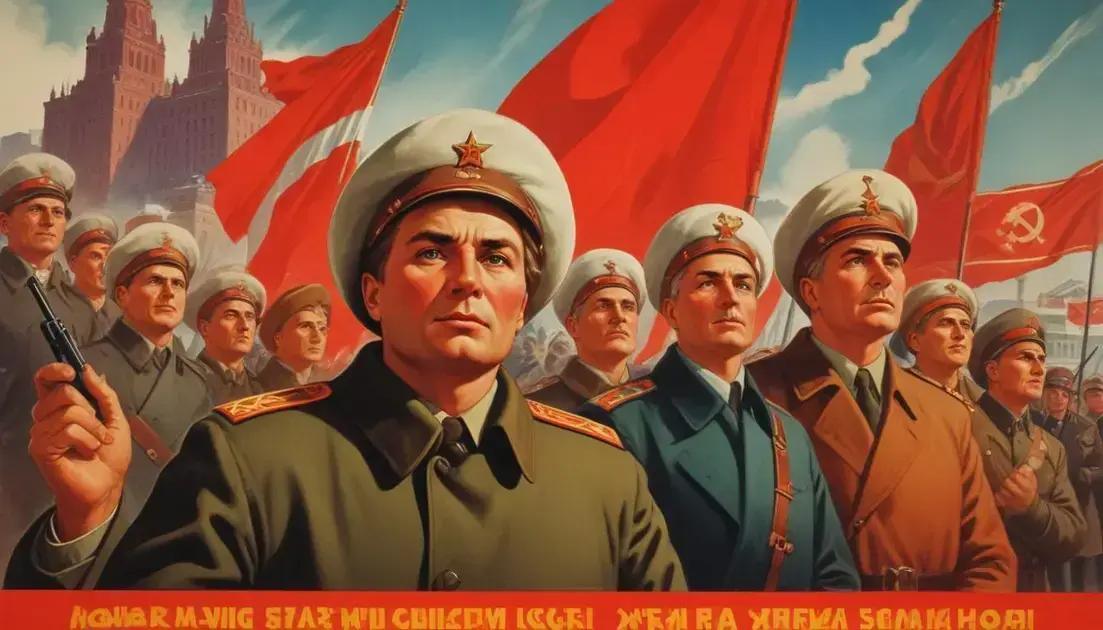
Many posters showed heroes, like workers and soldiers. These figures were celebrated, turning them into icons. The goal was to make everyone aspire to be like them.
Murals and Public Arts
Murals also conveyed strong messages. Huge paintings on buildings depicted Soviet life and achievements. These artworks made an impact on everyone who saw them. Public art was a way to reach people directly.
Art competitions were common, too. The state encouraged artists to create pieces that reflected Soviet ideals. This led to a vibrant art scene, filled with work that supported the regime.
Overall, visual arts were a vital part of how the USSR communicated. They shaped public opinion and celebrated the state’s vision, creating a lasting impression on society.
Key symbols and their meanings
In the world of Soviet propaganda, symbols were very important. They communicated messages quickly and effectively. Each symbol had a specific meaning that connected with the people. Understanding these symbols helps us see how propaganda shaped society.
One key symbol was the hammer and sickle. This symbol represented workers and farmers united for a common goal. It showed the strength of the working class and the importance of labor in the Soviet system.
Another important symbol was the red star. It stood for communism and the fight against oppression. The red color represented revolution and bloodshed in the struggle for equality.
National Emblems
The Soviet coat of arms was also significant. It featured the hammer and sickle along with a globe. This symbolized the global communist movement. It made people feel part of something larger than themselves.
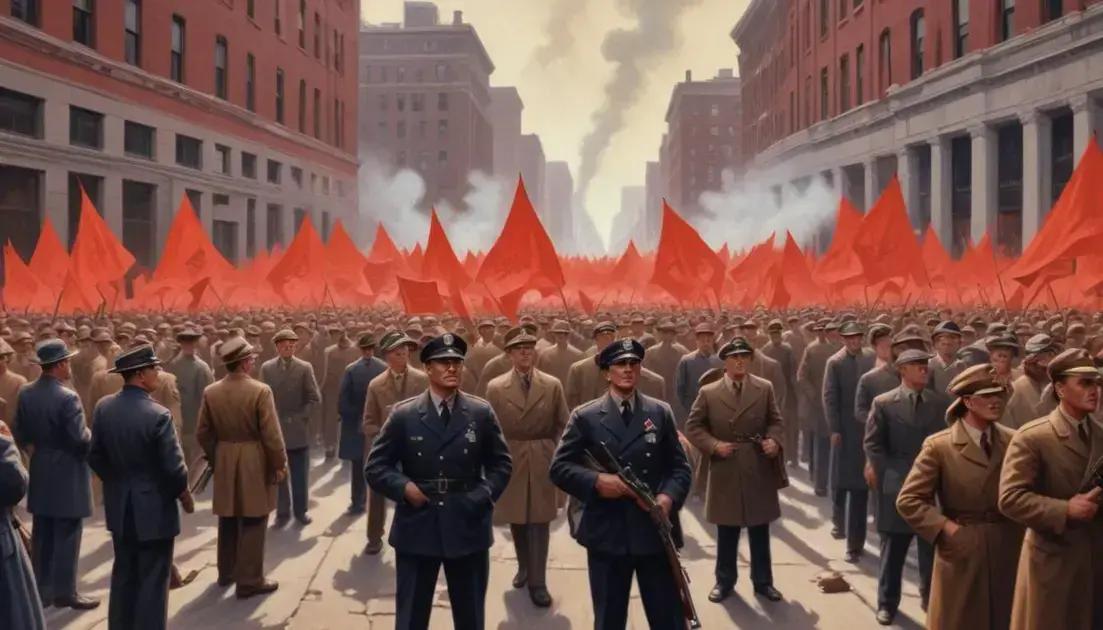
Flags were used to display these symbols, too. The red flag became a powerful icon, often seen at parades and rallies. It reminded everyone of the revolutionary spirit and the goals of the state.
Connecting with the People
These symbols were not just art; they were a part of everyday life. People saw them in schools, workplaces, and on the streets. The constant presence of these icons helped reinforce state messages.
By using vibrant and strong symbols, the Soviet regime aimed to rally support. They wanted citizens to feel proud and motivated by their identity. Symbols became a way for the government to connect with the public on an emotional level.
Overall, symbols like the hammer and sickle, the red star, and the coat of arms played a key role in shaping Soviet identity and ideology. They were tools of propaganda that helped keep the values of the state alive.
The impact of propaganda on society
The impact of propaganda on society in the USSR was profound. It shaped thoughts, beliefs, and even behaviors. Information was carefully crafted to serve the state’s goals. This powerful tool not only promoted ideology but also influenced everyday life.
One major effect was the creation of a common identity. Propaganda used art, media, and education to unite people under shared beliefs. Citizens were taught to identify with the state’s goals. They felt part of a larger movement.
Moreover, propaganda also instilled a sense of pride. Positive messaging highlighted achievements in industry and agriculture. This made people feel important and valued in society.
Controlling Public Perception
By controlling the messages people received, the government shaped public perception. Criticism of the state was rarely allowed. Instead, only positive stories were shared. This limited how people viewed their own lives and the world around them.
Fear was another tactic. Propaganda often presented enemies as threats. This led to a strong us-versus-them mentality, ensuring loyalty among citizens. People learned to trust the state over private opinions.
Effects on Culture and Art
In culture, propaganda influenced what was published and shown. Literature and films were created to reflect the state’s message. Artists often had to align their work with the regime’s ideals to be accepted.
On the other hand, some artists resisted. They expressed their thoughts in subtle ways, challenging the norms. This sparked conversations about freedom and censorship, even if it was dangerous.
Overall, propaganda greatly impacted society by controlling thoughts and actions. It created a shared vision that many followed, while also shaping the cultural landscape.
Modern interpretations and lessons
Modern interpretations of Soviet propaganda offer fresh insights into its impact. Today, we see how art can influence thoughts and behaviors. Many artists and scholars explore these themes through films, literature, and visual arts.
Some modern artists remix Soviet imagery to reflect current social issues. By using old symbols, they spark discussions about power, control, and freedom. This approach encourages audiences to think critically about the messages in their lives.
Lessons from the Past
One key lesson from Soviet propaganda is the power of visuals. Strong images can shape narratives and opinions. Knowing this, today’s communicators use visuals to share messages effectively. It shows how art can inform or manipulate society.
Another lesson is the importance of questioning information. In a world filled with media, critical thinking is essential. Understanding the background behind messages helps audiences see the bigger picture.
The Role of Art in Society
Art continues to be a powerful tool for change. Many modern movements use art to express dissent and promote social justice. Artists create works that challenge norms and encourage action. This tradition can be traced back to the role of art in the USSR.
Learning from past propaganda techniques helps us recognize similar patterns today. It’s vital to stay aware and informed, whether in politics or advertising. By examining history, we can make better choices and avoid repeating mistakes.
Conclusion
In conclusion, understanding Soviet propaganda reveals valuable lessons about power and influence. The use of visuals shaped society in profound ways. Today, we can learn from these techniques to recognize when and how messages affect us.
Modern interpretations show that art still plays a crucial role in communication. By examining the past, we can appreciate how far we’ve come and how far we still have to go. Staying aware of how propaganda works helps us think critically and make informed choices.
Ultimately, the experiences from the USSR remind us to question the information we consume. In a world full of images and messages, being mindful and informed is the best way to navigate our reality.
Tags: