Nuclear disasters the USSR tried to hide
Nuclear disasters, such as Chernobyl, have taught us vital lessons about safety and transparency. Key takeaways include the importance of open communication and a strong safety culture among workers. Learning from these past events can enhance safety measures, ensuring better preparation and awareness in communities. By applying these insights, we can work towards safer nuclear practices and develop renewable energy alternatives to prevent future disasters.
Nuclear Disasters have marked history beyond our understanding. While Chernobyl is the most famous, many events remained shrouded in mystery…
Introduction to lesser-known nuclear disasters
When we think about nuclear disasters, Chernobyl often comes to mind. However, there have been many lesser-known incidents that also had serious consequences. These events didn’t always make the headlines. But their impacts were profound and far-reaching.
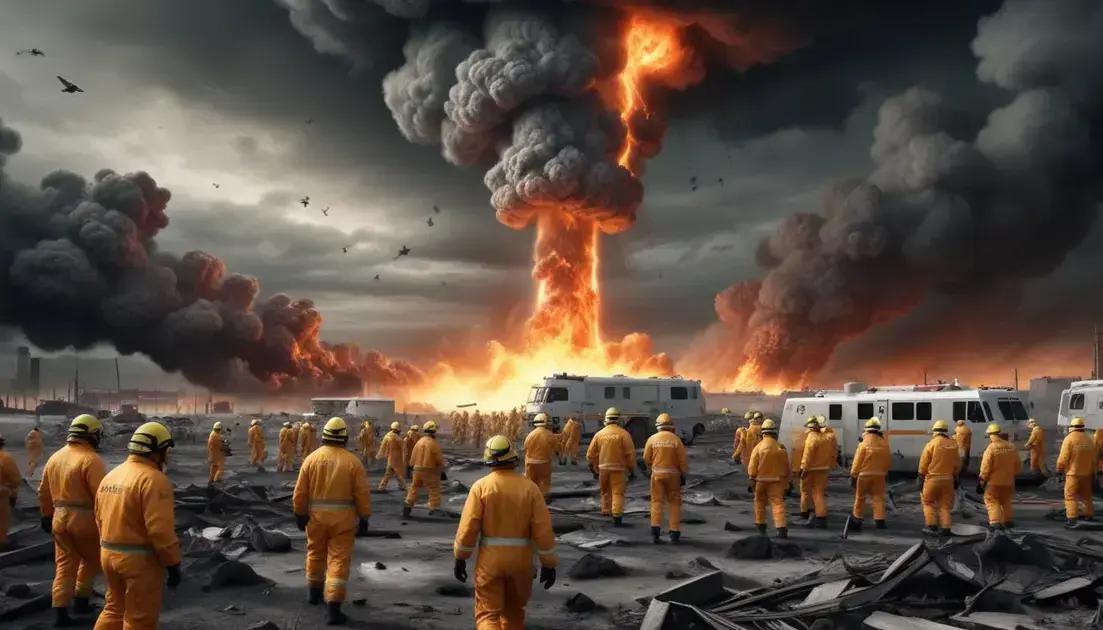
One example is the Kyshtym disaster in Russia, which occurred in 1957. A storage tank exploded, releasing harmful radioactive materials. This incident had significant effects on the local community, leading to evacuations.
Another incident is the Windscale fire in the UK, which happened in 1957. This fire was an accident during a reactor’s operation. It released radioactive contamination, affecting surrounding areas. Such events remind us that nuclear safety is crucial.
Learning about these incidents helps us understand the importance of safety measures. Every nuclear facility must prioritize safety to prevent disasters. Awareness and education about these events can lead to better preparedness in the future.
The impact of secrecy on public safety
Secrecy in nuclear operations can have serious effects on public safety. When details about accidents are hidden, people can’t make informed decisions. They may not know the risks in their own communities.
For example, when incidents happen without proper disclosure, local residents may be exposed to radiation. This can lead to health issues that might have been avoided with transparency. High levels of radiation can cause illnesses like cancer over time.
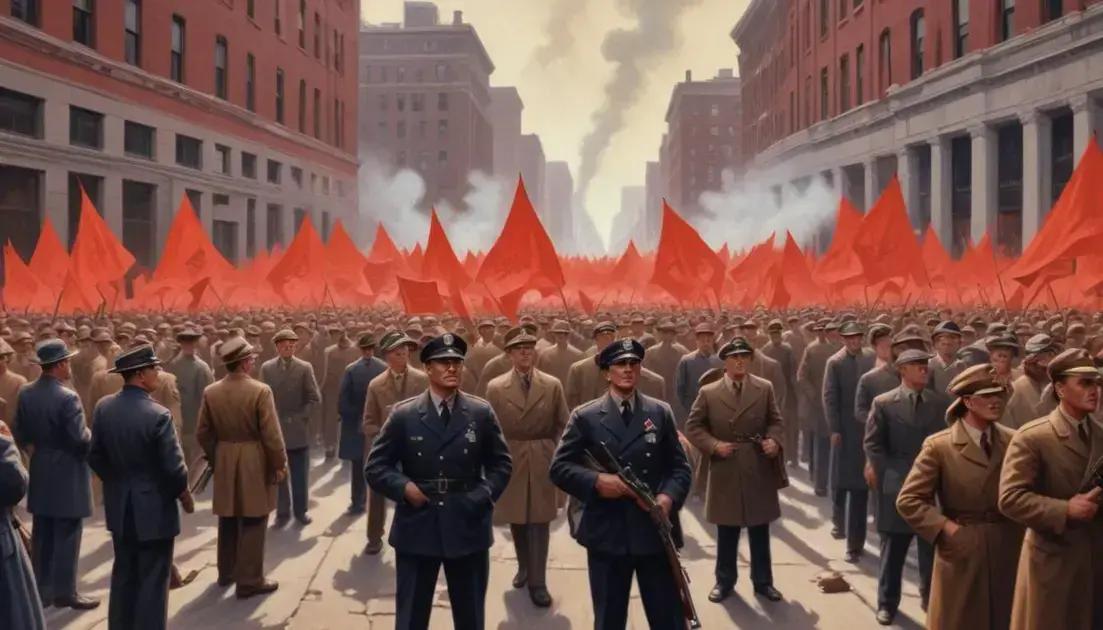
Many governments have pushed for secrecy to protect their interests. However, this often backfires. Without awareness, communities cannot adequately prepare for emergencies.
Studies show that public trust in authorities falls when information is withheld. Open communication is essential during nuclear incidents. Keeping people informed helps them respond better and stay safe.
When people are aware of potential dangers, they can take necessary precautions. Knowledge about evacuation plans and safety protocols are vital. Their well-being depends on clear information during crises.
Chernobyl’s legacy and global awareness
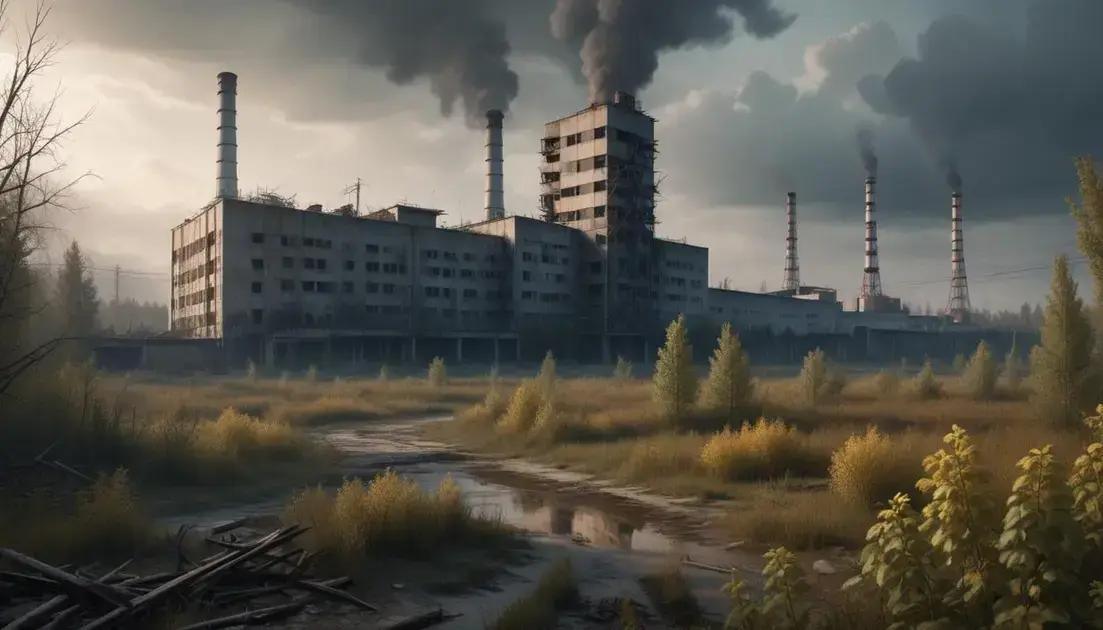
Chernobyl’s legacy extends far beyond its immediate effects. This disaster changed how the world views nuclear safety. It raised awareness about the risks linked to nuclear energy.
After the incident in 1986, many countries reevaluated their nuclear policies. They understood that safety measures were not just necessary, but essential. Safety protocols now take center stage in nuclear facility operations.
The fallout from Chernobyl affected communities far and wide. It showed how quickly radiation could spread unseen. People began to question how safe nuclear power really was.
This disaster also sparked global movements for safer energy solutions. Many advocated for renewable energy sources. Alternatives like wind and solar power gained popularity. People sought cleaner energy options to avoid the risks of nuclear power.
Importantly, Chernobyl has become a symbol of caution. Documentaries, films, and books highlight its impact. These stories keep the memory alive and educate future generations. Awareness is vital to ensure history does not repeat itself.
Lessons learned from past mistakes
Learning from past mistakes is crucial in improving nuclear safety. Every disaster teaches us valuable lessons. For instance, after Chernobyl, many countries revamped their safety regulations.
One major lesson is the importance of transparency. Keeping information hidden can lead to panic and distrust. People need to know what’s happening to feel safe.
Another important lesson is that safety culture matters. Workers must be encouraged to speak up about concerns. When everyone feels responsible, it leads to better practices and fewer accidents.
Regular drills and training are also essential. They prepare workers for emergencies and keep safety protocols fresh in mind. Preparedness can save lives during real incidents.
Additionally, reviewing and learning from previous incidents helps refine procedures. It’s about using past knowledge to prevent future mistakes. That way, every event contributes to a safer environment for all.
Conclusion
In conclusion, understanding nuclear disasters like Chernobyl teaches us key lessons about safety and transparency. Learning from past mistakes helps improve safety measures for everyone. It shows us that open communication is essential in protecting communities.
We know now that safety culture is vital. Encouraging workers to speak up leads to better practices. Regular training prepares everyone for emergencies. Each lesson learned contributes to a safer future.
By applying these lessons, we can create stronger safety protocols. As we move forward, it’s crucial to remember the past. Doing so helps ensure that nuclear energy remains as safe as possible for all.