Paranoia and propaganda: living in constant fear
This article explores how fear impacts society and individuals, highlighting its role in shaping behavior and attitudes. It delves into real-life examples of fear during crises, such as natural disasters and public health emergencies, showing how fear can lead to panic and hasty actions. The discussion also emphasizes the psychological effects of constant fear, including anxiety and social withdrawal. By contrasting fear with courage, the article encourages embracing bravery to overcome obstacles and create a more positive environment. Understanding these dynamics is essential for fostering resilience and connection in our communities.
Fear has a way of connecting us, often more than ideology ever could – think about it. Why does fear stir up such strong emotions and actions? Let’s dive into this compelling exploration together!
The Origins of Paranoia
The origins of paranoia are complex and can vary from person to person. People often feel paranoid based on their experiences and backgrounds. Many factors can fuel feelings of fear and suspicion.
At times, past experiences can shape how we view the world. For instance, someone who has faced betrayal may become more suspicious of others. This distrust can come from personal relationships or from societal events.
Culture also plays a significant role. In societies where fear is prominent, paranoia can thrive. Propaganda and media can amplify fears, shaping perceptions about safety and trust.
Biological factors can contribute, too. Mental health issues may increase the risk of paranoia. It’s essential to understand that everyone experiences fear differently.
Understanding the origins of paranoia helps us see how it spreads and why it can unite enemies. Fear can sometimes feel contagious, affecting groups on a larger scale.
How Fear Shapes Propaganda
Fear shapes propaganda in many ways. It can influence how messages are created and spread. When people are afraid, they often seek guidance and reassurance. This need can lead them to accept messages that align with their fears.
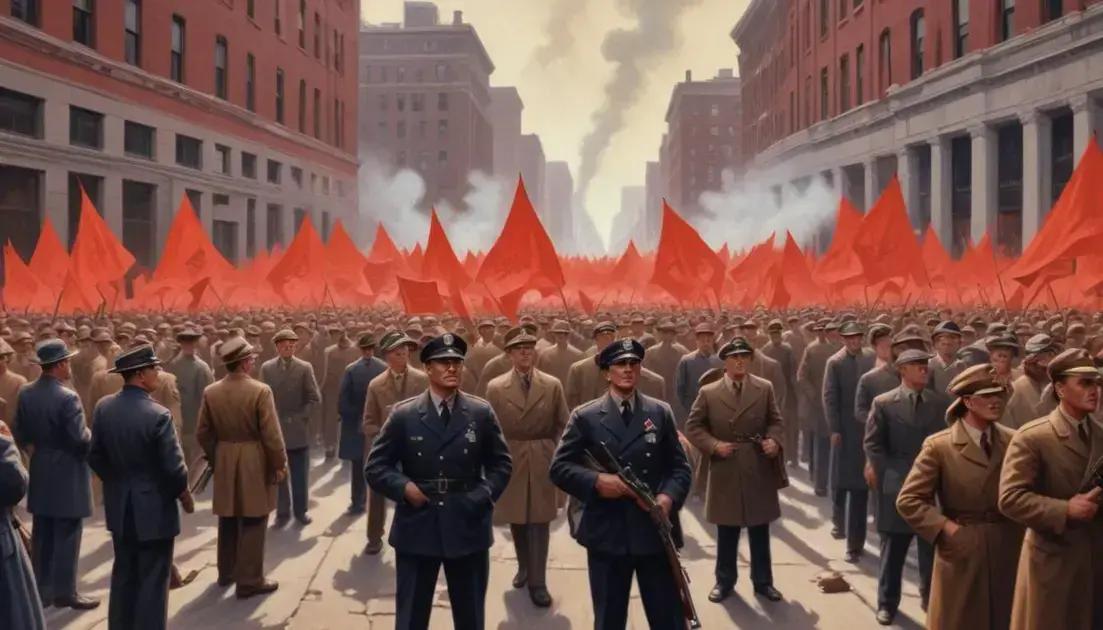
Propaganda uses fear to persuade people. It highlights threats and dangers, making them seem immediate and real. This can create a sense of urgency, prompting people to take action or believe in certain ideas.
The media plays a big role in this process. News reports that focus on negative events can heighten fears. When audiences constantly see stories about danger, it can shape their worldview.
Governments and organizations may exploit fear for their own benefits. They might amplify fears to distract from other issues or control public opinion. This can create an environment where fear influences decisions and behaviors.
By understanding how fear shapes propaganda, we can become more aware of the messages we consume. Staying informed helps us respond thoughtfully rather than reactively.
The Psychological Impacts of Constant Fear
The psychological impacts of constant fear can be profound and long-lasting. When fear is a regular part of life, it can affect mental health significantly. People may experience anxiety, stress, or even depression.
Constant fear can make daily life feel overwhelming. It may lead to sleep problems, difficulty concentrating, and physical symptoms like headaches or stomach issues. These effects often make it hard to enjoy life or engage in activities that used to be fun.
Fear can also change how we see the world. It might make people more suspicious or withdrawn. In this state, trusting others becomes challenging.
This constant state of worrying can affect relationships too. People living in fear may avoid social situations or push others away. This can create a cycle of isolation and loneliness.
Understanding these psychological impacts is crucial. By recognizing how fear influences thoughts and behaviors, we can seek help and support to manage those feelings better.
Real-Life Examples of Fear in Society
Real-life examples of fear in society show how it can shape behavior and decisions. Take, for instance, the fear during a natural disaster. When storms or earthquakes strike, people often panic. Fear leads to quick evacuations and, sometimes, chaos.
Another example is during a public health crisis. When a new virus emerges, fear spreads quickly. People rush to buy supplies, and misinformation can make things worse. This kind of fear creates a sense of urgency that can lead to hasty actions.
Fear can also be seen in political contexts. Leaders may use fear to rally support or distract from issues. Campaigns that highlight threats can sway public opinion, pushing people to vote a certain way.
In daily life, fear of crime can change how people behave. Some may avoid going out at night or take extra precautions. These fears can limit freedom and impact communities.
By looking at these real-life examples, we can see how fear connects people and influences society. Understanding this can help us navigate our reactions and responses in times of crisis.
Conclusion: Embracing Courage Over Fear
Embracing courage over fear is vital for personal growth and community strength. Fear can hold us back, making us hesitate in tough situations. When we face our fears, we can discover our true potential.
Courage doesn’t mean the absence of fear. It means taking action despite feeling afraid. Small steps can lead to significant changes. For example, speaking up against injustice or trying something new can boost our confidence.
Surrounding ourselves with supportive people helps too. When we share our fears, it often feels lighter. Together, we can find strength in unity. Encouragement from friends or family can spark our courage.
Building resilience is also key. Recognizing that setbacks are part of life can make us stronger. Each time we overcome fear, we grow. This growth can inspire others to do the same.
Ultimately, embracing courage can transform our lives. It creates a sense of empowerment and positivity. By choosing courage, we break free from fear, opening doors to new experiences and opportunities.
Conclusion
In conclusion, recognizing the impacts of fear on our lives and society is crucial. Fear can connect us but can also lead to anxiety and hesitation. By understanding how fear shapes our actions, we can learn to navigate it better.
Embracing courage is vital. When we face our fears, we open ourselves up to growth and new opportunities. Support from others can help us take those necessary steps forward.
Let’s remember that fear is a natural part of life. However, choosing to act with courage instead allows us to foster positivity and resilience. Together, we can create a society that values bravery over fear, paving the way for a brighter, more connected future.