Why NATO kept expanding after the Cold War
NATO’s expansion after the Cold War has profoundly influenced global politics, creating security alliances in Eastern Europe while escalating tensions with Russia. Countries like Poland and Hungary joined NATO for protection, shifting the balance of power and sparking fears in Moscow. As NATO addresses new threats like cyberattacks, its future actions will significantly shape international relations and stability, emphasizing the need for adaptation and cooperation among member nations.
NATO expansion is a topic that still sparks heated debates around the world. Why did this military alliance continue to expand after the Cold War? The implications of this are vast and important.
The historical context of NATO’s expansion
The historical context of NATO’s expansion goes back to the end of World War II. After the war, Europe was divided. The East fell under Soviet control, while Western nations formed alliances to protect themselves. NATO was created in 1949 as a way to counter potential threats.
In the 1990s, following the Cold War, many countries in Eastern Europe sought closer ties with the West. Nations like Poland, Hungary, and the Czech Republic joined NATO in 1999 to feel secure against any future threats. This expansion was seen as a way to promote stability and democracy.
Many people in the West supported NATO’s growth. They believed it would ensure peace and prevent conflicts. However, this made some countries in the East, especially Russia, very unhappy. They viewed NATO as a threat to their influence and security.
In the 2000s, NATO continued to expand. New members like Bulgaria, Romania, and the Baltic states joined. This raised tensions with Russia, which felt surrounded. Understanding this complex history helps explain why NATO’s actions today often lead to debate and division.
Key events leading to the current state
Key events that shaped NATO’s expansion are vital to understand its current state. After the Cold War ended, the world changed quickly. Countries in Eastern Europe wanted to join NATO to feel secure. In 1999, NATO welcomed Poland, Hungary, and the Czech Republic as members.
This was a big step. It marked NATO’s first expansion into former Soviet-controlled areas. Many believed it offered stability and protection. But Russia saw this as a challenge to its power. Tensions between NATO and Russia began to grow.
In 2004, NATO expanded even more. Seven additional countries, including Bulgaria, Romania, and the Baltic states, joined. This round of expansion alarmed Russia further. They felt surrounded and threatened.
Then, in 2008, NATO declared that Georgia and Ukraine could become members in the future. This raised more concerns in Russia. They took action to keep these countries from joining.
These events show how NATO’s actions directly influence its relationships. Understanding these developments is important to grasp today’s geopolitical landscape.
Impact on Eastern Europe and Russia
The impact of NATO’s expansion on Eastern Europe and Russia has been significant. When NATO grew, many Eastern European countries felt more secure. They joined the alliance to protect themselves from potential threats.
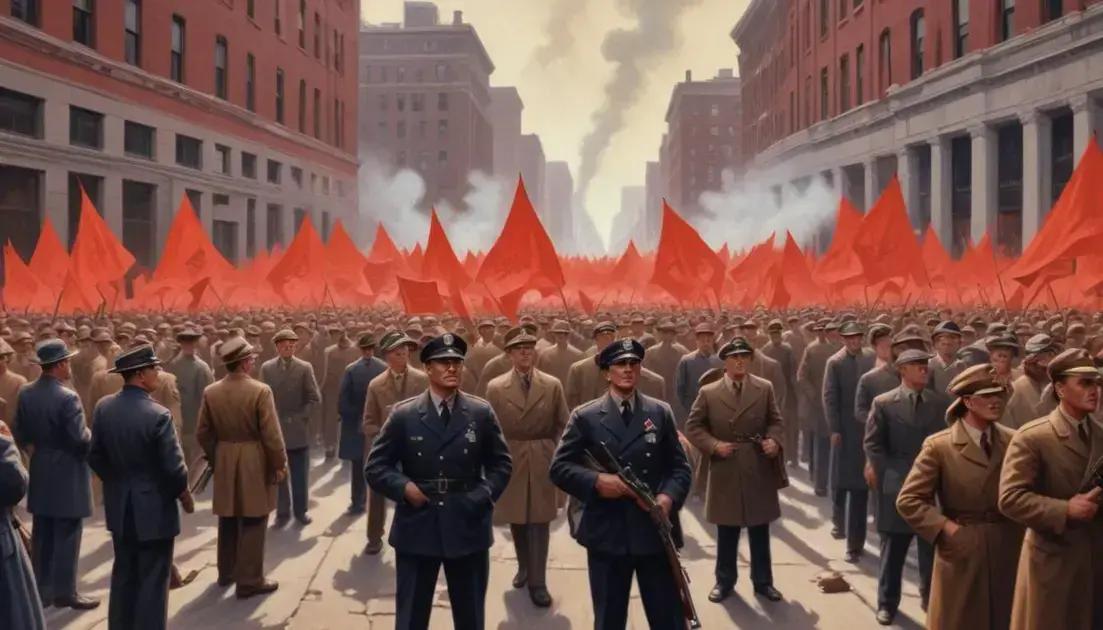
However, Russia viewed this expansion as a direct threat. It felt surrounded by NATO members and lost influence in the region. This change alarmed Russian leaders, leading to a more aggressive stance in foreign policy.
For Eastern European nations, joining NATO brought stability but also some challenges. They needed to adjust to new military standards and practices. Countries like Poland and the Czech Republic invested in their defense systems, aligning more closely with NATO protocols.
On the other hand, Russia reacted by increasing its military presence near its borders. It also sought to strengthen alliances with countries that oppose NATO, like Belarus. This tension has shaped regional security dynamics.
Overall, NATO’s expansion created a mix of security and tension in Eastern Europe. Understanding this impact helps clarify current geopolitical conflicts.
The significance for global politics
The significance of NATO’s expansion for global politics is hard to ignore. NATO shapes international relations and security strategies. Its growth impacts how nations interact with each other.
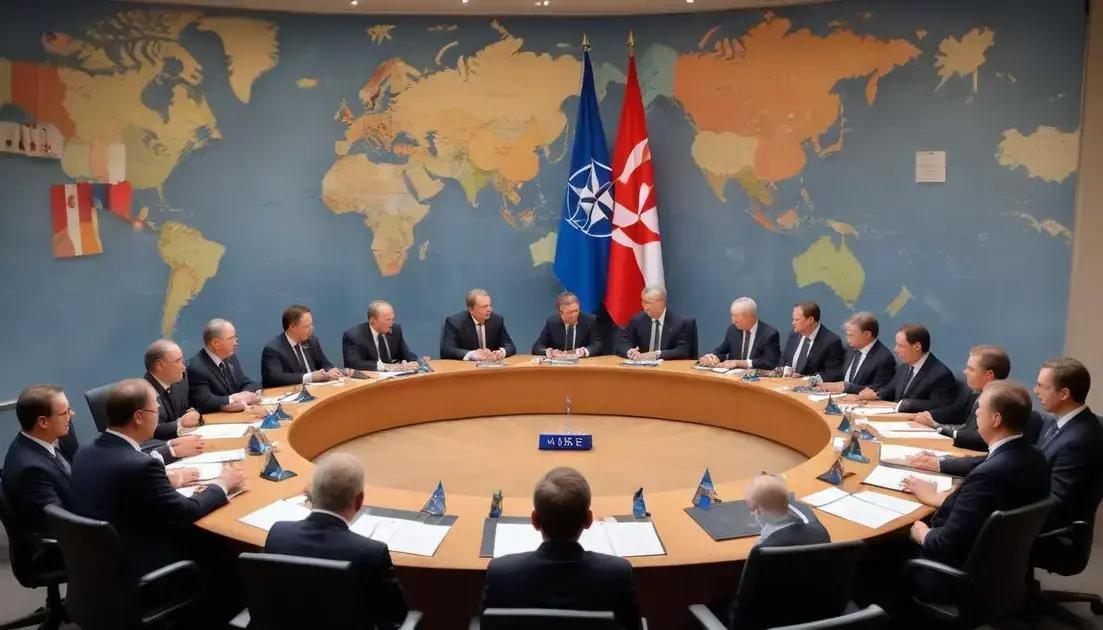
As NATO expands, it sends a message of unity among Western nations. This can deter aggression from other global powers. Countries see NATO as a symbol of collective defense. This means that an attack on one member is an attack on all.
However, this can lead to rising tensions with nations like Russia and China. As NATO strengthens, these countries may feel more threatened. This can lead to an arms race or increased military activity.
Moreover, NATO’s expansion leads to changes in alliances. Countries look to join NATO for security, resulting in new partnerships. This creates a shift in power dynamics and affects regional stability.
Ultimately, understanding NATO’s role in global politics is essential. It highlights how international relationships evolve alongside military alliances. The influence of NATO will likely play a key role in future global challenges.
Future implications of NATO’s actions
The future implications of NATO’s actions could be significant. As NATO continues to expand, it might face new challenges. Countries may seek to join the alliance for protection. This could change the balance of power in various regions.
Moreover, NATO’s decisions influence global security. If NATO takes strong actions, it can deter aggression from other nations. For example, an increased military presence in Eastern Europe shows commitment to defense.
However, this can also lead to tensions. Countries like Russia might respond aggressively if they feel threatened. This can escalate conflicts and create instability.
NATO will also have to adapt to new global threats, such as cyberattacks and terrorism. Strengthening defenses in these areas is vital. Partnerships with countries outside NATO can help address these modern threats.
In the long run, NATO’s actions will likely impact international relations. The way it navigates challenges will shape the geopolitical landscape for years to come. How NATO responds to emerging threats will be closely watched.
Conclusion
In conclusion, understanding NATO’s expansion and its impact is crucial for grasping current global dynamics. The alliance has grown significantly since its inception, influencing both Eastern Europe and Russia. NATO’s actions shape international relations and set the tone for future conflicts.
As countries seek safety through NATO membership, the organization must remain adaptable. Facing new threats like cyber attacks and geopolitical tensions will require strong cooperation among members. By staying relevant, NATO can continue to promote stability in a changing world.
Ultimately, NATO’s future actions will play a key role in global politics. The choices made today will affect relations for years to come. Keeping an eye on these developments is essential for understanding the path forward in international security.