Africa’s hidden Cold War: wars for influence
The Cold War significantly shaped modern politics, with its legacy still impacting today’s international relations. Historical alliances, ideological struggles, and conflicts influenced by superpowers continue to affect nations economically and politically. Understanding these dynamics helps clarify ongoing global tensions and the political landscape.
Cold War dynamics have shaped the landscape of Africa in profound ways. From ideological battles to influential aid, this silent struggle is revealing deeper narratives that impact the continent today.
Understanding the Cold War’s impact on Africa
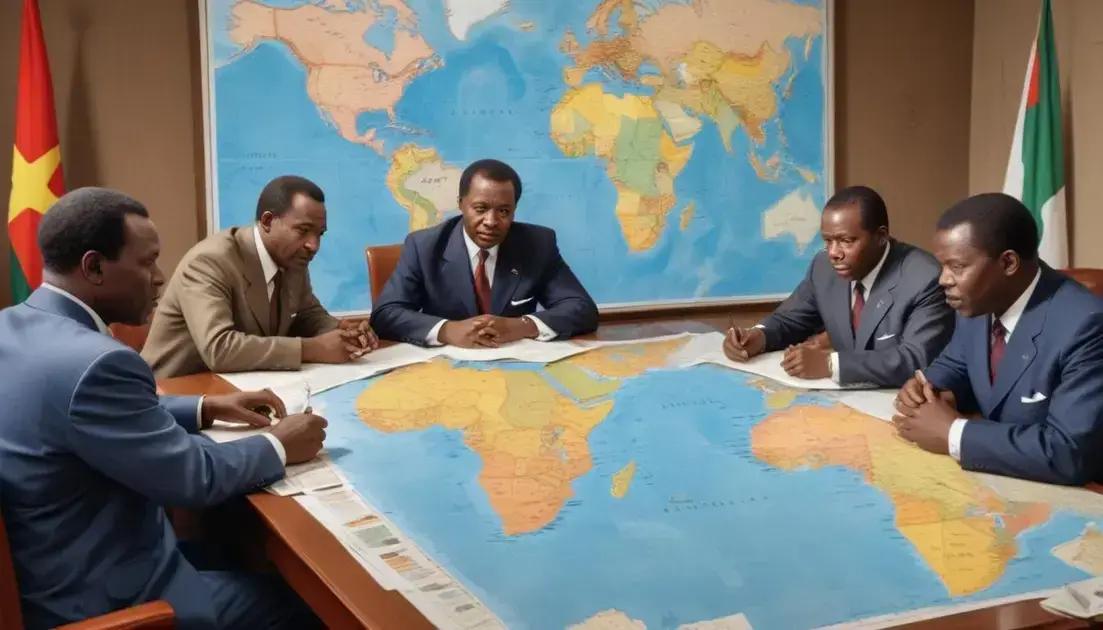
The Cold War deeply influenced Africa. Superpowers competed for influence across the continent. Countries often became battlegrounds for larger ideologies. Nations faced tough choices, picking sides based on aid and support.
The Role of Superpowers
The US and the Soviet Union offered military help and financial aid. This support changed the political landscape. Some nations embraced capitalism, while others turned to communism. These decisions shaped alliances and rivalries that persist today.
Aid and Its Effects
Aid from these superpowers was often tied to their political goals. Countries like Egypt and Angola received substantial support. In return, they aligned with the interests of these nations. This relationship created a cycle of dependency, affecting long-term growth.
Internal Conflicts
As nations picked sides, internal conflicts often arose. Tribes and groups within countries clashed over who to support. Civil wars erupted, resulting in loss and instability. The effects of these conflicts can still be seen in many regions today.
Decolonization and the Cold War
The Cold War accelerated decolonization. African nations sought independence from their colonizers but entered the global power struggle afterward. The quest for freedom was complicated by global politics. Leaders navigated between superpower expectations and local needs.
Legacy of the Cold War
Today, the legacy of the Cold War still exists in Africa. Many countries deal with political instability and economic challenges. Understanding this history is crucial to grasp current affairs and future prospects.
Ideological battles between nations
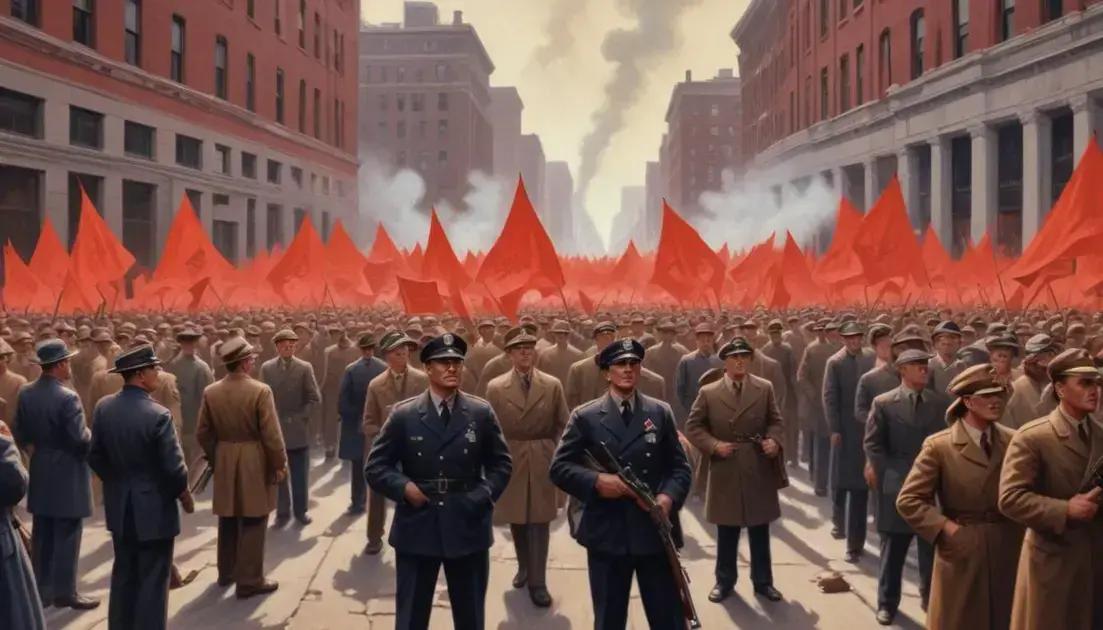
During the Cold War, nations faced strong ideological battles. These conflicts were mainly between capitalism and communism. Countries had to choose sides, and their decisions often led to major consequences.
Capitalism vs. Communism
Capitalism promotes free markets and private ownership. In contrast, communism focuses on state control and equality. These different beliefs shaped foreign policies and alliances across the globe.
Influence on African Nations
African nations were caught in this struggle. Some aligned with the US, while others turned to the Soviet Union for support. This alignment influenced their politics and economies. Countries grew dependent on foreign aid and military support.
Proxy Wars
Proxy wars became common during this period. Instead of fighting directly, superpowers supported opposing sides in regional conflicts. Nations like Angola and Ethiopia saw intense fighting fueled by foreign interests.
Global Impact
The ideological battles spread beyond Africa. Countries everywhere faced pressure to choose sides. This often affected their development and international relations, leading to ongoing struggles even after the Cold War ended.
The Legacy Today
Today, many nations still deal with the effects of those ideological battles. The choices made during the Cold War can still be felt. Understanding this history is key to grasping current events and political dynamics.
The role of foreign aid in shaping alliances
Foreign aid played a big role in shaping alliances during the Cold War. It often influenced which countries became friends or foes. Nations received aid to support their goals and ideologies.
Types of Foreign Aid
There are two main types of foreign aid: military and economic. Military aid includes weapons and training, while economic aid provides funds for development projects. Both types helped countries align with superpowers.
Support for Allies
Countries that aligned with the US often received financial help for their economies. For example, nations in Africa might receive funds for schools and health care. This support encouraged countries to stay loyal and adopt Western values.
Impact on Growth
Foreign aid aimed to improve living standards, but it sometimes led to dependency. Countries relied on aid for support instead of building their own economies. This dependence could cause issues long after the aid ended.
Political Influence
By providing aid, superpowers gained political influence over their allies. Nations were more likely to support policies beneficial to their benefactors. This often pulled countries into the larger global struggle.
Long-term Effects
The alliances formed through foreign aid continue to affect global politics today. Some countries still feel the impacts of the aid received during the Cold War. Understanding this history helps clarify current international relations.
Case studies of regional conflicts
Case studies of regional conflicts during the Cold War reveal the complex dynamics at play. Many African nations experienced wars fueled by superpower interests. These conflicts shaped the political landscape in ways that still affect us today.
The Angolan Civil War
The Angolan Civil War began in 1975 and lasted for decades. It involved various factions supported by the US and the Soviet Union. This conflict caused massive suffering and instability in the region.
Soweto Uprising in South Africa
The Soweto Uprising in 1976 showcased resistance against apartheid. Students protested against poor education in their native language. This event drew international attention and highlighted racial injustice.
Conflict in Ethiopia
The Ethiopian Civil War began in the 1970s, leading to widespread famine and hardship. The conflict saw the Derg government receive support from the USSR. Meanwhile, the US backed rival groups, intensifying the conflict.
Rwanda and Burundi
The historical tensions between the Hutu and Tutsi led to violence in both Rwanda and Burundi. Foreign powers largely ignored the early warning signs of conflict. The consequences were devastating, resulting in mass killings and genocide.
Legacy of Conflicts
These case studies show how foreign interests complicated regional issues. The alliances formed during conflicts often led to prolonged instability. Understanding these cases helps us see how history shapes current events in Africa.
The current legacy of Cold War politics
The legacy of Cold War politics is still felt today. Many countries continue to navigate the effects of past conflicts and alliances. The divisions created during that time shape modern international relations.
Political Alignments
Many nations still align with former allies from the Cold War. This creates divides in global politics. For instance, countries that supported the US often maintain close ties with Western nations.
Economic Impacts
Economically, areas impacted by the Cold War still deal with challenges. Some nations struggle with underdevelopment due to long-standing conflicts. Resources were often diverted to military efforts rather than development.
Ongoing Conflicts
Current conflicts in places like the Middle East can trace roots back to Cold War politics. Rivalries fostered during that time influence today’s tensions. These historical connections are crucial in understanding modern disputes.
International Organizations
Organizations like the United Nations and NATO were shaped by Cold War dynamics. Their roles? To promote stability and peace. However, the effectiveness of these organizations can be limited by historical alliances.
The Role of Ideology
Ideological battles between capitalism and communism still resonate today. New movements may emerge, but the fundamental disagreements often reflect Cold War era beliefs. Understanding these ideologies is essential for grasping current tensions.
Conclusion
In conclusion, the legacy of Cold War politics continues to shape our world today. The alliances formed then influence how countries interact now. Understanding past conflicts helps us make sense of current events.
The political alignments, economic struggles, and ideological battles remind us of history’s impact. Many nations still carry the weight of decisions made during that time. By learning from the past, we can work towards a more peaceful future and better international relations.