Laughing at Fear: Satire During the Cold War
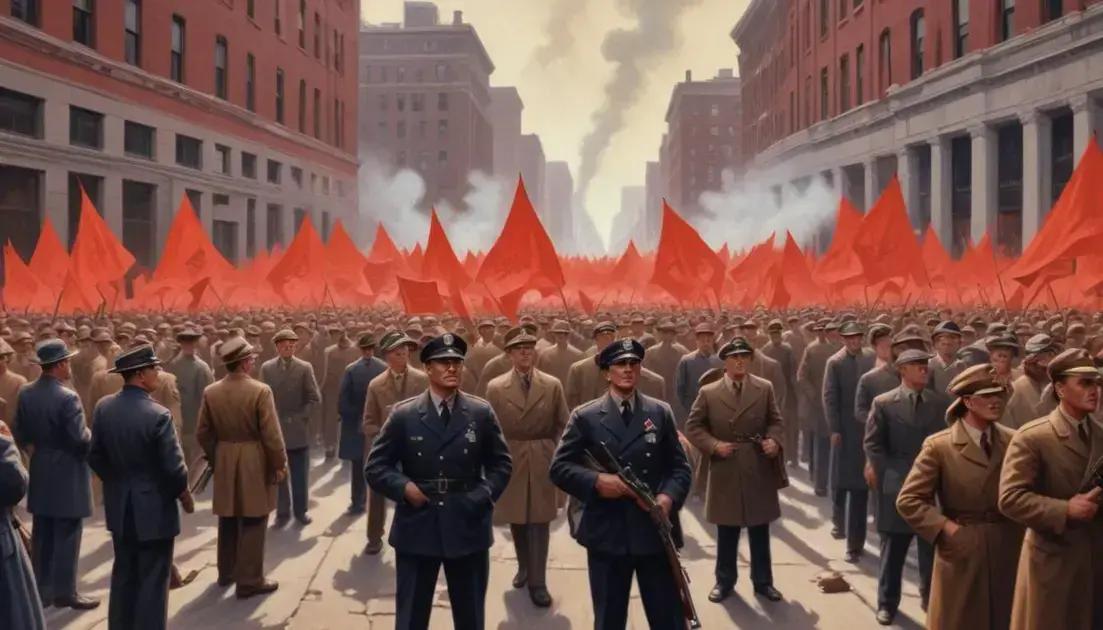
During the Cold War, satire emerged as a powerful tool for coping with fear and criticism of authority. Through humor, works like television shows, films, and literature encouraged public discourse on serious issues, helping audiences navigate the complexities of the era. Satirical pieces not only provided comic relief but also fostered community and resilience, reflecting societal anxieties while urging critical thinking about political realities.
Satire during the Cold War was more than just laughs; it was a lifeline. Through humor, people found a way to cope with fear and oppression. Ever wondered how laughter became a tool of resistance? Let’s dive in!
The Role of Humor in Cold War Politics
Humor played a key role in Cold War politics. Comedians and satirists took bold stances against the fears of the time. With their jokes, they challenged authority and aimed to show the absurdity of the political climate.
Comedy as a Reflection of Society
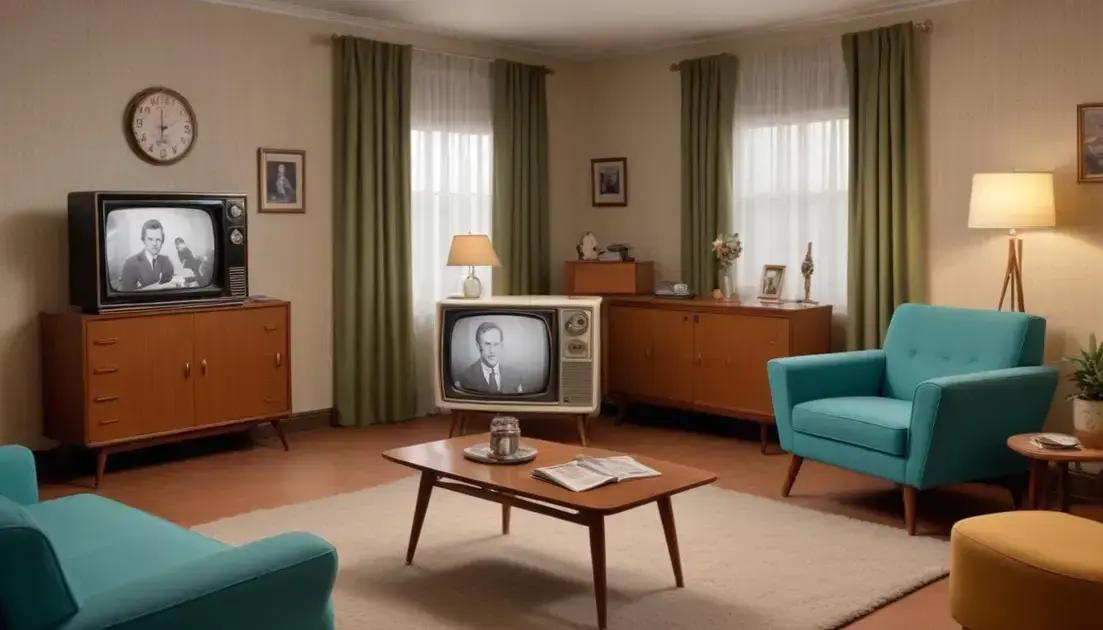
During the Cold War, humor reflected the anxieties of everyday people. Television shows and films often poked fun at political leaders and the tensions of the period. This made serious topics easier to digest and discuss.
Reducing Tension Through Laughter
Humor helped reduce tension in a tense era. By laughing at the threats of nuclear war, people felt a bit more in control. It was a way to cope with fear and uncertainty.
Famous Satirical Shows and Figures
Think of popular shows like “Saturday Night Live” and figures like Jon Stewart. They used comedy to criticize government decisions. These performances made people think while they laughed, proving that humor holds strong power.
The Impact on Public Opinion
Satire shaped public opinion during the Cold War. When humor targets public figures, it can sway people’s views. This was especially true during elections when comedic commentary became influential.
Overall, humor wasn’t just for laughs; it became a tool for expression and resistance during the Cold War. It allowed people to voice their frustrations while providing some much-needed comic relief.
Iconic Satirical Works from the Era
Many iconic satirical works emerged during the Cold War. These pieces used humor to address serious subjects. They made audiences laugh while encouraging them to think critically about global tensions.
Television Shows That Made a Mark
Shows like “The Smothers Brothers Comedy Hour” tackled political issues head-on. Their humor often critiqued the government and questioned authority. Viewers loved their bold and funny approach.
Film as a Satirical Tool
Films such as “Dr. Strangelove” used dark comedy to discuss nuclear war. The film’s absurdity highlighted the fears of the time. People left the theater laughing, yet it sparked deep conversations.
Political Cartoons and Comic Strips
Editorial cartoons also played a vital role. Artists like Herb Block drew attention to the absurdities of political leaders. Their sharp wit made readers stop and think about current events.
Classic Literature with a Twist
Books such as “Catch-22” became classics for their satirical take on war. The humor highlighted the illogical aspects of military bureaucracy. Readers connected with its themes and enjoyed its clever storytelling.
These iconic works have left a lasting impact. They remind us that laughter can break down barriers and create a space for discussion during tense times.
Cultural Impact of Cold War Satire
The cultural impact of Cold War satire was significant. It shaped how people viewed politics and society. Through humor, artists addressed important issues and sparked conversations.
Bringing Issues to the Forefront
Satirical works made serious topics accessible. They challenged audiences to think about government actions. By laughing at fears, they helped people digest tough realities.
Influencing Public Perception
Satire often influenced public opinion. Comedians can sway minds with a punchline. Their humorous takes made people reconsider accepted beliefs and norms.
Creating a Sense of Community
Humor during the Cold War created a sense of community. People gathered to watch satirical shows together. These shared experiences provided a way to cope with fear and uncertainty.
Encouraging Critical Thinking
Satirical commentary encouraged critical thinking. It pushed people to question authority and consider different perspectives. By watching comedy, audiences learned to look beyond the surface.
The cultural impact of Cold War satire shows how humor can shape society. Laughing together helped foster resilience during challenging times.
The Philosophy Behind Laughing at Fear
The philosophy behind laughing at fear is fascinating. Humor helps people cope with anxiety and stress. It can lighten tough situations and make them feel more manageable.
Turning Fear into Laughter
Laughter often breaks the ice when topics are serious. When we laugh at fear, we regain control. This shift in perspective allows us to face challenges more calmly.
The Power of Humor in Human Experience
Humor connects us as humans. It reminds us that we’re not alone in our fears. Everyone experiences moments of doubt and anxiety.
Historical Perspectives on Humor and Fear
Throughout history, cultures have used humor as a coping mechanism. From ancient plays to modern comedy, laughter has often countered fear.
Strategies to Use Humor for Resilience
Using humor in daily life can build resilience. Look for funny moments in challenges. Find comedians or shows that uplift your mood and inspire laughter.
Understanding this philosophy helps us appreciate the role of humor. By laughing at fear, we create space for hope and strength.
Conclusion
In conclusion, satire played a vital role during the Cold War. It used humor to tackle serious issues and help people cope with fear. Through laughter, artists and writers challenged authority and encouraged critical thinking.
By reflecting society’s anxieties, satirical works created strong connections among people. They showed that humor can be a powerful tool for resilience. As we remember this impact, we should appreciate how laughter helped many navigate tough times. Understanding this helps us see the importance of humor in facing our own fears today.
Tags: