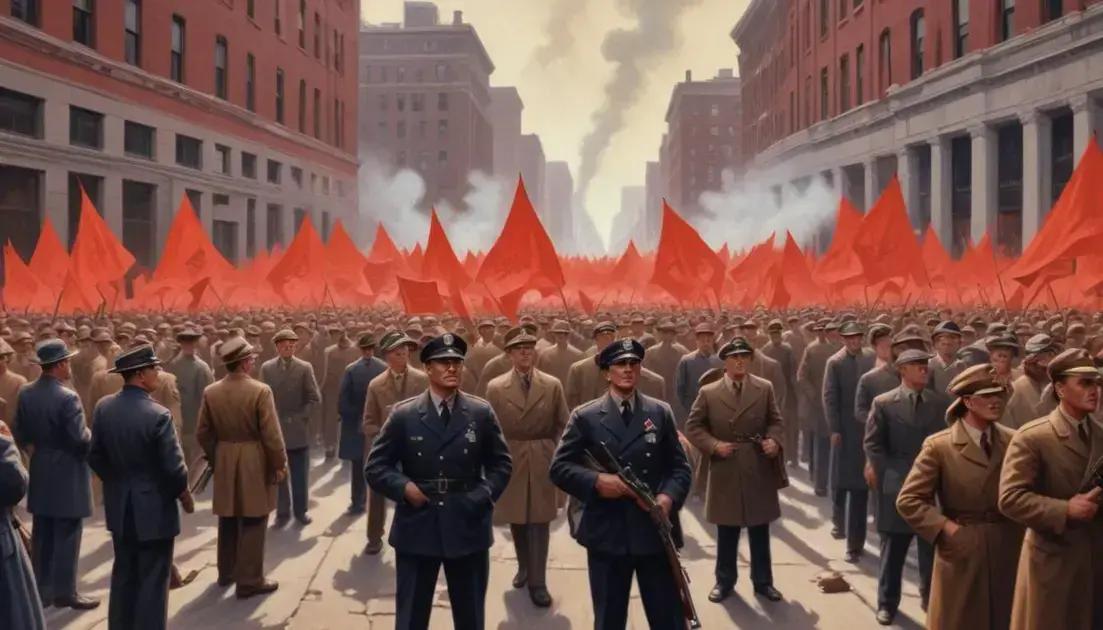
The Cold War inside America: fear, spies, and loyalty
The Cold War significantly impacted American culture, fostering a climate of suspicion and fear that affected everyday life. Loyalty to the nation was prioritized, often testing personal relationships as individuals questioned each other’s motives. This tension created a community atmosphere where trust was scarce, and people worried about espionage, reflecting broader societal changes. The media played a vital role in shaping perceptions, reinforcing patriotic ideals while stirring anxiety. Despite these challenges, many found ways to express their loyalty through community engagement, highlighting how fear and patriotism coexisted in this complex historical period.
During the Cold War, suspicion and paranoia spread like wildfire, affecting everything from schools to neighborhoods. Have you ever wondered how deep this fear ran in American society? Let’s dive into that world…
The rise of suspicion in American neighborhoods
The rise of suspicion in American neighborhoods during the Cold War was intense. Fear spread quickly, and people were worried about who lived next door. Many thought that their friends or neighbors could be spies. It turned simple interactions into a careful dance of trust and doubt.
During this time, families often watched each other closely. They listened for rumors and shared stories about suspicious activities. This only added to the fear. Neighbors felt they had to be on guard, turning what should be safe spaces into places of anxiety.
Spies Among Us
With the threat of espionage high, people began to look for signs of espionage in those around them. They questioned odd behaviors or even strange phone calls. Even a simple package could be seen as a red flag.
The government fueled this fear with campaigns that encouraged citizens to report anything unusual. Posters urged citizens to be vigilant. Many felt it was their duty to report anything that seemed out of place.
Community Impact
As suspicion grew, it affected community spirit. Friends became cautious, and trust faded. Block parties and gatherings decreased as fear took hold. People felt isolated, even in their own neighborhoods. This shift changed the way communities interacted.
Yet, for some, this climate of fear also united them. They banded together to protect one another. Neighborhood watch programs started, as people sought safety in numbers. They aimed to watch out for one another, even if it came from a place of fear.
The rise of suspicion wasn’t just a personal matter but also a historic one. It showed how deep the Cold War’s impact truly reached into everyday life. This atmosphere made lasting changes to how Americans viewed trust and community.
The role of spies in American society
The role of spies in American society during the Cold War was significant. Spies were not just characters in movies; they were part of everyday life. Many people wanted to know what was happening behind the scenes. This curiosity often led to fear and suspicion.
Spies were thought to be everywhere. They gathered information for their countries, which raised concerns among regular citizens. Neighbors started to wonder about one another. Who could be watching? Who could be reporting? Such thoughts made some people uneasy.
The government encouraged this feeling. They needed citizens to pay attention to possible spies in their midst. Local newspapers often published stories about espionage. These tales fueled the imagination, but they also increased worries.
How Spies Operated
Spies used many tactics to gather information. They often blended into normal life. They might attend community events, acting like anyone else. They could be your friendly neighbor or even a teacher at school. This underlined the importance of trust in society.
Many spies utilized technology. Bugs and hidden cameras were common tools. These devices allowed spies to gather secrets without being found. Although this may sound high-tech, it created a sense of paranoia.
Impact on Daily Life
The presence of spies affected how people interacted. Friendships sometimes formed under a haze of doubt. People would hesitate to speak freely, worried that someone might be listening. Public discourse changed as citizens became cautious. Discussions of politics or world events often took on a new weight.
Even children felt the impact. They heard stories from adults about spies at school. Such stories made them think twice before sharing information. Some kids learned to keep secrets, even from their friends. This change lasted long after the Cold War.
Cultural impact of loyalty and fear during the Cold War
The cultural impact of loyalty and fear during the Cold War shaped American life in many ways. People felt pressured to show loyalty to their country. Many believed that this loyalty was a duty, especially in tough times. However, this often came with a sense of fear.
Fear was everywhere. People worried about spies and secret plots. Trust became hard to find. Friends and families might question one another. Was someone loyal or secretly against the country? This constant worry changed how people interacted.
How Loyalty Was Tested
Many events tested loyalty during this period. Organizations like the House Un-American Activities Committee investigated individuals. They sought out supposed communists in entertainment and education. This created a culture where people reported on each other. It put friendships and partnerships under scrutiny.
In schools, teachers taught the importance of loyalty. They encouraged students to love their country. However, some students feared expressing views that differed from the norm. This environment limited open discussions and conversations.
Media’s Role in Shaping Perception
The media played a big part in spreading both loyalty and fear. Movies and news stories often depicted heroes defending their country. These stories inspired many but also spread anxiety. They made people think about the ever-present threat of communism.
Advertising and public service announcements reinforced loyalty. They featured strong messages about patriotism. This further pushed individuals to declare their loyalty publicly.
Despite the fear, many Americans found ways to express their loyalty. Some joined movements that supported democracy and freedom. Others volunteered or supported military efforts. These actions gave people a sense of purpose even in uncertain times.
Conclusion
In conclusion, the cultural impact of loyalty and fear during the Cold War was profound. These feelings shaped how Americans lived and interacted with one another. Loyalty became a badge of honor, but it came with a price—a deep fear of betrayal.
The constant worry about spies and enemies in everyday life led to suspicion in communities. Even close friends and family faced challenges as trust wavered. This atmosphere pushed people to often question each other’s motives.
But despite the fear, many found ways to express their loyalty and love for their country. They participated in community events and supported national efforts. These actions show that while fear can disrupt, loyalty can unite. In the end, understanding this complex relationship helps us better appreciate the past and our shared history.