Washington D.C. during the Cold War: politics under pressure
The Cold War significantly shaped modern geopolitics, creating lasting legacies in international relations and cultural narratives. Key events like the Cuban Missile Crisis, the construction of the Berlin Wall, and the Vietnam War influenced policy decisions and social movements, underscoring the conflict between communism and democracy. Understanding the Cold War’s impact reveals how alliances, arms control efforts, and cultural expressions reflect ongoing global dynamics, demonstrating the importance of historical context in today’s political landscape.
Cold War transformed Washington D.C. into the epicenter of global strategies and fears. Dive into this intriguing chapter in U.S. history!
The significance of Washington D.C. during the Cold War
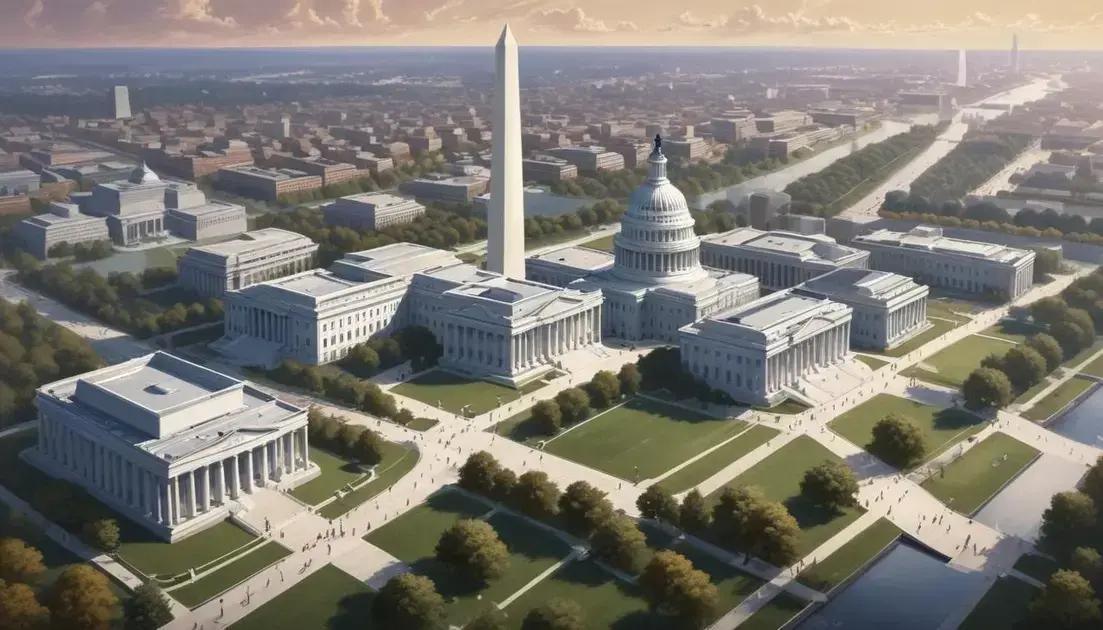
Washington D.C. played a crucial role during the Cold War. As the capital of the United States, it was the hub of major political actions and decisions. Leaders met here to discuss strategies, threats, and alliances. The city became a key player in the global chess game of superpowers.
One of the most significant events was the Cuban Missile Crisis. In 1962, tensions soared as the U.S. discovered Soviet missiles in Cuba. Washington D.C. was filled with urgent meetings and heated discussions. The stakes were high, and decisions made here affected the entire world.
Moreover, the presence of numerous embassies in Washington D.C. added to its importance. Diplomats from around the globe gathered to negotiate peace and security. This made the city a focal point for international relations during the Cold War.
In addition, the atmosphere in Washington D.C. reflected the anxieties of the time. People lived in fear of the unknown. Many wondered if a nuclear war was coming. The government sought to assure its citizens through various programs and campaigns. The famous ‘duck and cover’ drills were held in schools to prepare children for potential attacks.
Throughout this era, artists, musicians, and writers produced works that captured the spirit of the time. The culture of activism also thrived in Washington D.C. As people protested against the war and civil rights, their voices echoed throughout the capital.
Overall, Washington D.C. was more than a political center. It was a symbol of both power and vulnerability. The events that unfolded here during the Cold War shaped the future of the nation and the world.
Political strategies and tensions in the capital
During the Cold War, Washington D.C. was the center of political strategies and tensions. Leaders met regularly to discuss urgent matters. They faced pressures from both international and domestic fronts. Each decision could spark a crisis or secure peace.
One key strategy was containing the spread of communism. U.S. officials believed that stopping communism abroad would protect democracy at home. This led to various policies, including the Truman Doctrine. This doctrine aimed to support countries resisting communist influence.
Tensions were high, particularly with the Soviet Union. Events like the Berlin Blockade in 1948 showcased the struggle for power. Washington D.C. responded with airlifts and diplomatic efforts. These actions demonstrated U.S. commitment to its allies.
Another crucial moment was the Korean War. In 1950, North Korea invaded South Korea. Washington D.C. quickly assembled a coalition to defend South Korea. This marked the first military action of the Cold War. Political discussions in the capital shaped how the U.S. engaged in this conflict.
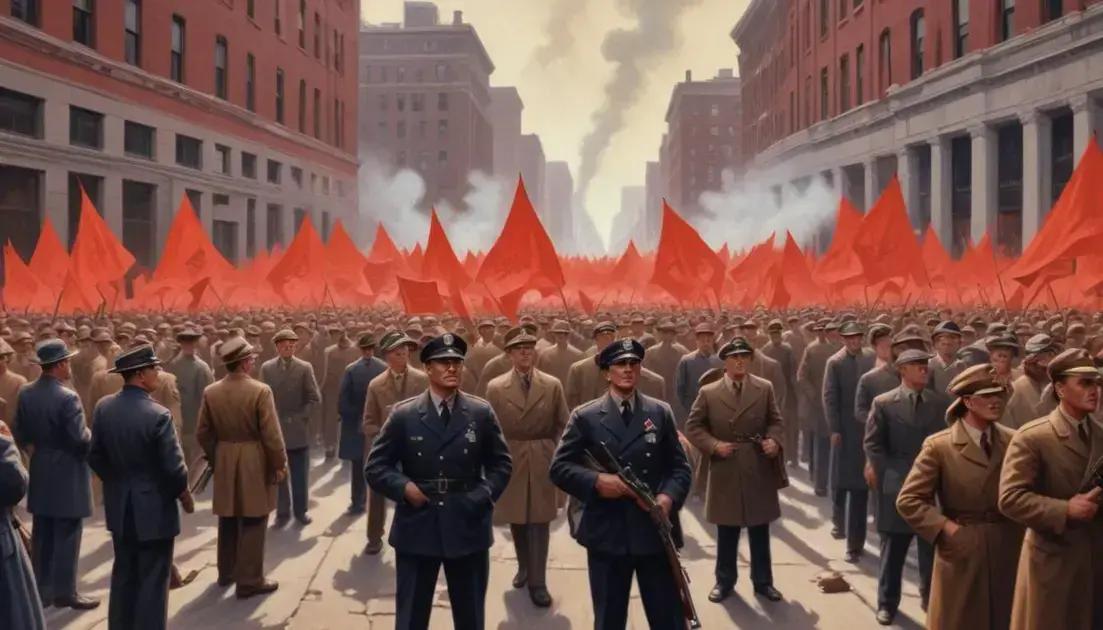
Besides military strategies, propaganda also played a role. The government used media to promote its objectives. They aimed to boost morale and convince citizens of their need for defense spending. The Red Scare heightened fears about communism infiltrating American life, adding to the political drama.
Political strategies in Washington D.C. were not just about international affairs. Civil rights movements also entered the conversation. The demand for equality challenged the government to address social issues while managing global tensions.
This combination of strategies, tensions, and public opinion made politics in Washington D.C. complex. Decisions made here had lasting impacts on both America and the world.
Key events that defined the era
Several key events shaped the Cold War era, impacting the world and its politics. Each event had lasting effects on nations and their relationships. Below are some major moments that defined this interesting time.
First, the Berlin Wall’s construction in 1961 was a major turning point. It divided East and West Berlin, symbolizing the Cold War. Many people tried to escape to the West, risking their lives for freedom.
Another critical event was the Cuban Missile Crisis in 1962. The U.S. discovered Soviet missiles in Cuba, just 90 miles away. Tensions soared as fear of nuclear war grew. President Kennedy and Soviet leader Khrushchev had intense talks. This event brought the world close to disaster.
In 1950, the Korean War started when North Korea invaded South Korea. The U.S. supported South Korea, leading to a bitter conflict. This war was a significant part of the Cold War struggle between capitalism and communism.
Also, the Vietnam War shaped many views during this period. The U.S. entered to stop the spread of communism in Southeast Asia. This war caused deep divisions and protests at home. Many questioned the government’s decisions and actions.
Moreover, the Space Race was another key event. The U.S. and the Soviet Union competed to explore space. This competition led to achievements like the Moon landing in 1969. It showcased technological advancements and national pride.
Finally, the eventual fall of the Berlin Wall in 1989 marked the end of the Cold War. It opened the path for German reunification and changed the political landscape in Europe. These key events reflect the tension, fear, and hope that characterized this era.
The role of leaders in shaping policies
Leaders played a vital role in shaping policies during the Cold War. Their choices affected not just the U.S. but the entire world. Different leaders had unique approaches to diplomacy and strategy.
For example, President Harry Truman introduced the Truman Doctrine in 1947. This policy aimed to stop the spread of communism by supporting countries in need. Truman believed that helping nations would protect democracy.
Later, President Dwight D. Eisenhower focused on containment. His policy emphasized the importance of alliances. He sought to strengthen ties with nations like NATO to confront the Soviet Union.
John F. Kennedy became notable for his decisive actions during the Cuban Missile Crisis. He engaged in direct talks with Soviet leaders, showing strong leadership during a tense time. His ability to communicate helped avoid disaster.
President Lyndon B. Johnson’s approach during the Vietnam War was also significant. He believed in expanding U.S. involvement to combat communism. However, this decision led to widespread protests and debate at home.
Each of these leaders faced challenges. They had to balance domestic pressures and international threats. Their policies reflected the climate of the time and set the course for future relations.
These decisions by leaders shaped how the U.S. engaged with other countries. Their strategies and policies left lasting marks on history.
Cold War legacy and its impact today
The Cold War left a lasting legacy that affects us today. Its impact is seen in many areas, like politics, culture, and international relations.
One major effect is the way countries interact. The Cold War created alliances like NATO. These alliances still shape global dynamics. Nations work together differently now than during the Cold War, but the influence remains strong.
Moreover, many current conflicts are rooted in Cold War tensions. Regions like the Middle East and Eastern Europe still reflect the divisions that the Cold War created. Understanding these roots helps explain ongoing issues today.
Culturally, the Cold War influenced movies, music, and literature. The theme of good versus evil was popular. Films showed heroes battling against the communist threat. This narrative shaped public opinion during and after the Cold War.
Additionally, the arms race left behind a world with many nuclear weapons. Efforts to control these weapons continue. Treaties like the Nuclear Non-Proliferation Treaty are direct responses to the Cold War legacy.
Furthermore, the Cold War sparked movements for social change. The fight against communism often highlighted issues of freedom and human rights. This set the stage for many modern civil rights movements worldwide.
Overall, the Cold War’s legacy is complex. It shaped the world we live in, from international relations to cultural expressions. Recognizing this influence helps us better understand today’s global landscape.
Conclusion
In conclusion, the Cold War has left a profound impact on our world today. Its legacy affects international relationships, cultural expressions, and ongoing conflicts. Understanding this historical period helps us make sense of current global dynamics.
The alliances formed during the Cold War still influence how nations interact. The arms race and nuclear tensions continue to shape our reality. Culturally, the themes from that era remain present in movies, music, and literature.
Recognizing the Cold War’s effects also helps us see how social movements for rights and freedom developed. These issues echo in today’s society, reminding us of the importance of civil rights and human dignity.
By studying the Cold War and its legacy, we can appreciate the complex world we live in. It’s essential to learn from the past as we move into the future, ensuring we work toward peace and understanding among all nations.