Native American resistance: the wars for the continent
The legacy of Native American resistance shapes modern Indigenous identities, inspiring movements for cultural revival and rights. Today, tribes are reclaiming languages, traditions, and advocating for justice. Stories of resilience highlight the importance of understanding this history, as Native artists and activists work to raise awareness and promote social change. This ongoing legacy emphasizes the need for recognition and respect for Indigenous contributions in society.
Native American resistance is a powerful narrative that unfolds the courage and tragedy faced by Indigenous nations. As we explore their stories and struggles, you’ll find a tale of resilience worth knowing. Are you ready to dive in?
Historical overview of Native American resistance
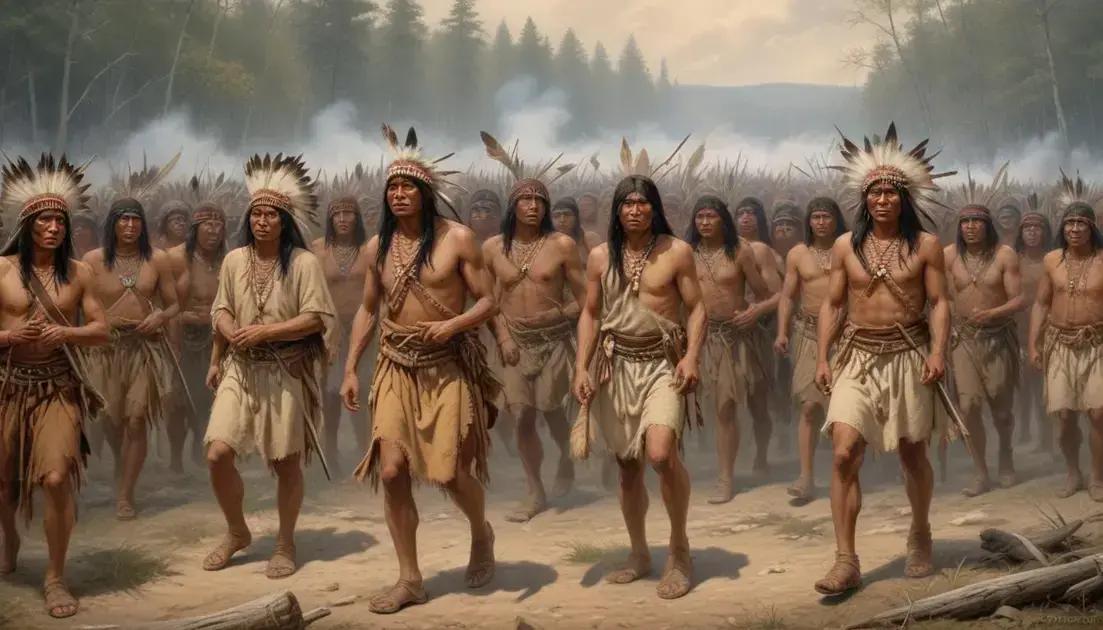
Native American resistance has a long and rich history. For centuries, Indigenous nations fought against invasions and colonization. These battles were not just about land, but about culture, identity, and survival.
The struggle began shortly after European settlers arrived. Native tribes faced immense pressure from land-hungry colonists. They had to adapt quickly to defend their way of life.
Throughout the 1600s and 1700s, various tribes united against common threats. Notable conflicts like King Philip’s War showed the fierce determination of the Indigenous people. They fought bravely, but were often outmatched by the settlers’ advanced weaponry.
In the 1800s, the resistance continued with the establishment of the U.S. government. Policies forced Native Americans onto reservations, leading to more conflicts. The Trail of Tears is a tragic example of the forced removals that devastated communities.
The late 19th century saw the rise of leaders like Sitting Bull and Geronimo, who inspired their people to resist. Their actions highlighted the strength and resilience of Indigenous cultures.
Despite facing overwhelming odds, Native American resistance never truly ended. Today, their legacy continues to influence movements for rights and recognition. Understanding this history is vital for honoring their struggles and achievements.
Key wars and conflicts
Key wars and conflicts shaped Native American resistance throughout history. These struggles were marked by bravery and fierce determination. Understanding these events helps us see the bigger picture.
One major conflict was King Philip’s War in 1675. It was one of the deadliest wars in American history. Native tribes fought against English settlers in New England. They wanted to protect their land and way of life.
Another significant event was the French and Indian War (1754-1763). Here, Native Americans allied with either the French or the British. This conflict changed the balance of power in North America.
The Trail of Tears in the 1830s is another tragic chapter. Thousands of Cherokees were forced off their land and relocated. Many did not survive the harsh journey.
In the late 1800s, conflicts like the Battle of Little Bighorn showcased Native resistance. General Custer underestimated the strength of the Lakota and Cheyenne. This clash became a symbol of Indigenous courage.
Lastly, the Wounded Knee Massacre in 1890 marked a grim end to many struggles. It remains a painful reminder of the fight for Native rights.
These wars and conflicts highlight the resilience of Native Americans. They faced overwhelming odds but always fought back. Their stories are vital to understanding American history.
Impact of colonization on Indigenous societies
The impact of colonization on Indigenous societies was deep and often devastating. Colonial powers disrupted traditional ways of life. They altered the balance of power, leading to many conflicts.
One major effect was loss of land. Colonizers took vast areas without regard for the rights of Native peoples. This loss forced many tribes to relocate. They had to abandon sacred sites and hunting grounds.
Another impact was cultural change. Colonization introduced new religions, languages, and customs. Many Indigenous peoples faced pressure to give up their traditions. Some were forced into boarding schools to assimilate.
Economically, colonization hurt Indigenous societies. Many were cut off from their resources. They lost access to fishing, hunting, and farming lands. This made it hard for communities to thrive.
Health issues also rose after colonization. Diseases brought by Europeans decimated Indigenous populations. Smallpox and influenza were particularly deadly, resulting in significant loss of life.
Even today, the effects of colonization are felt. Many Indigenous communities strive to revive their cultures. They work to reclaim their rights and protect their heritage. Understanding this history is essential for recognizing their resilience.
Personal stories of resilience
Personal stories of resilience among Native Americans tell powerful tales of courage. These individuals faced immense challenges throughout history, yet they stood strong. Their experiences inspire us today.
One notable story is that of Chief Joseph of the Nez Perce tribe. He led his people during a conflict with the U.S. government in the 1870s. Chief Joseph’s speech, “I will fight no more forever,” shows his deep sorrow and strength.
Another inspiring figure is Mary Crow Dog, a Lakota woman. In the 1970s, she became a key leader in the American Indian Movement. Her activism helped bring attention to Native issues. Her story is one of bravery and commitment to justice.
Then there’s Wilma Mankiller, the first female chief of the Cherokee Nation. She worked tirelessly for the rights of her people. Wilma’s leadership transformed her community and served as a beacon of hope.
These stories highlight the strength of Native American cultures. They show how individuals can make a difference, even in tough times. Resilience is a common thread in these narratives, reminding us to honor their legacies.
Legacy of Native American resistance today
The legacy of Native American resistance is strong and vibrant today. It shapes the identities of Indigenous peoples across the U.S. and Canada. This legacy reminds us of the struggles and victories of the past.
Many Native tribes are reclaiming their languages and traditions. They’re working hard to ensure future generations understand their cultural heritage. Language revitalization programs help teach young people their ancestral languages.
Additionally, Native artists and leaders share their stories through various mediums. Art, music, and literature reflect the rich histories and modern experiences of Indigenous peoples. These expressions inspire pride and awareness among tribal members and the broader society.
Native American activism remains strong. Organizations advocate for Indigenous rights, land reclamation, and environmental protection. Issues like water rights are critical and continue to spark movements across many tribes.
The fight for recognition and justice still goes on. Events like Indigenous Peoples’ Day show a shift in how society views Native history. More communities embrace this day to honor Native peoples and their contributions.
This legacy of resistance fosters resilience and hope. It empowers Indigenous communities to continue fighting for their rights and recognition. Understanding this legacy is important for all of us.
Conclusion
In conclusion, the legacy of Native American resistance is both powerful and important. It reminds us of the struggles and strength of Indigenous peoples throughout history. Today, this legacy inspires tribes to revive their languages and traditions, ensuring they are passed down to future generations.
Through art, activism, and cultural celebrations, Native Americans continue to share their stories. They fight for rights, recognition, and a brighter future. As society embraces this legacy, we all benefit from understanding and honoring these contributions.
Recognizing the past is essential for moving forward. By supporting Native communities and their efforts, we can help create a more just and inclusive world. Ultimately, the story of Native American resistance is a story of hope and resilience that continues to inspire us all.