The Civil Rights Act of 1964: equality written into law
The Civil Rights Act of 1964 was a pivotal law aimed at ending racial discrimination and promoting equality in the United States. It established protections against discrimination based on race, color, religion, sex, or national origin, influencing future legislation and inspiring ongoing activism. The act transformed social attitudes and provided a legal framework for individuals seeking justice and equality, making a lasting impact on American society.
The Civil Rights Act of 1964 marks a watershed moment in American history, enshrining equality into law after decades of struggle. Curious about how it shaped our nation? Let’s dive in!
Background of the Civil Rights Movement
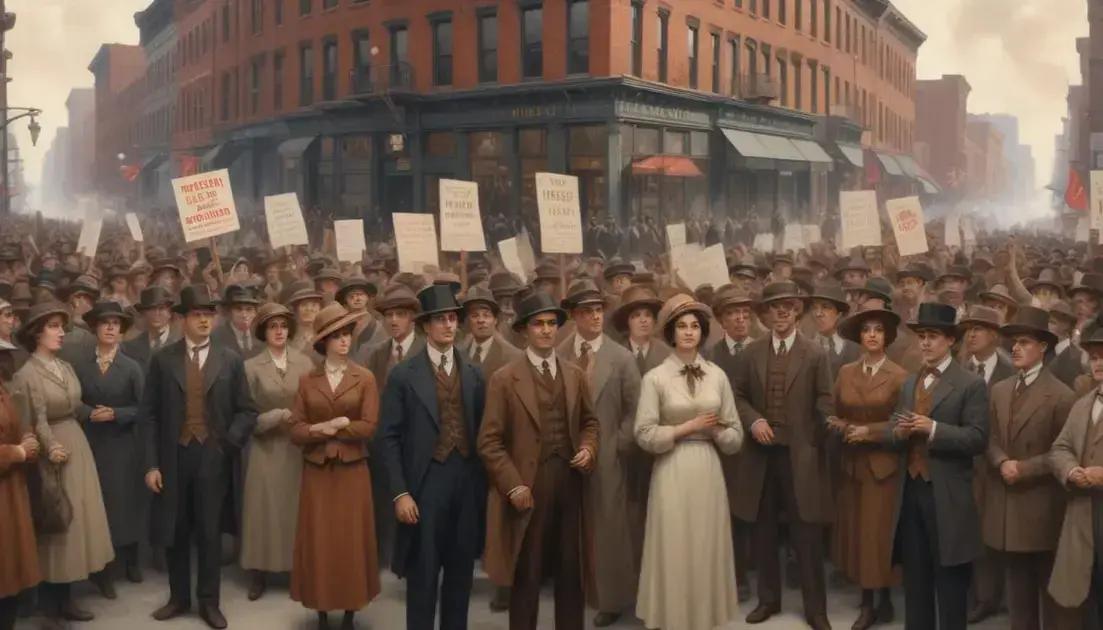
The Civil Rights Movement was a crucial time in American history, aiming to end racial discrimination and secure equal rights for African Americans. It started in the 1950s and continued into the 1960s, bringing together people from all walks of life.
Roots of the Movement
The fight for civil rights began long before the movement gained national attention. African Americans faced segregation and unfair treatment, especially in the South. Leaders like W.E.B. Du Bois and Ida B. Wells worked tirelessly to push for justice.
Key Events
One major event was the Montgomery Bus Boycott in 1955. This protest against segregated seating on buses was sparked by Rosa Parks refusing to give up her seat. It lasted over a year and showed how powerful collective action could be.
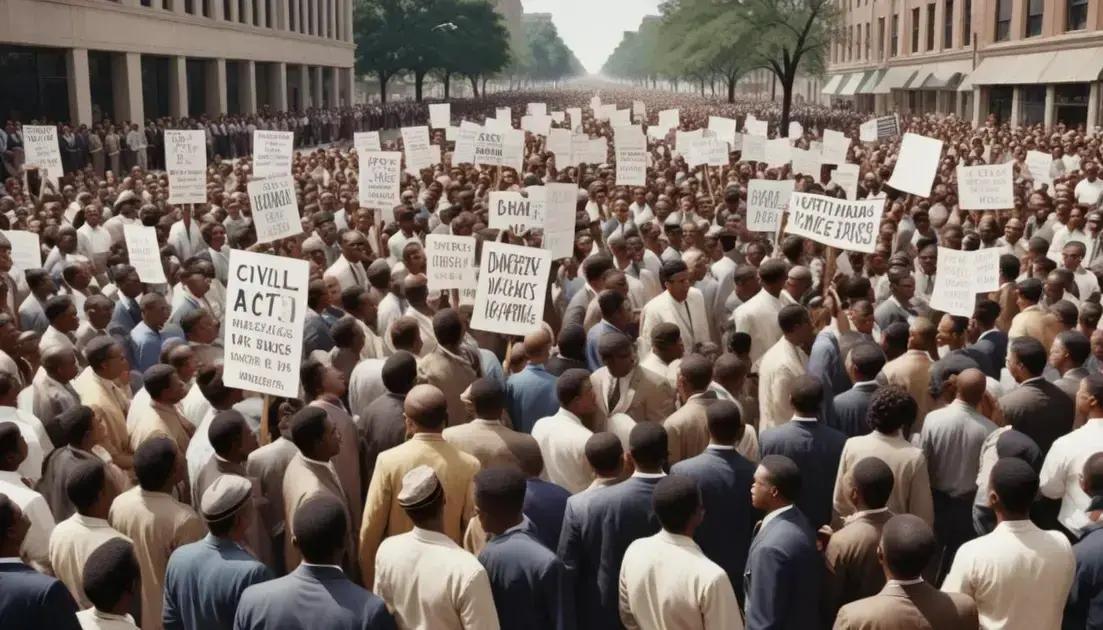
Another critical moment was the March on Washington in 1963. This gathering brought together over 250,000 people, and it was here that Martin Luther King Jr. delivered his famous “I Have a Dream” speech, calling for an end to racism.
Legislation and Change
As a result of continuous efforts, the Civil Rights Act of 1964 was passed, making it illegal to discriminate based on race, color, religion, sex, or national origin. This was a huge win for the movement.
The hard work and sacrifices of many contributed to these changes. The Civil Rights Movement not only transformed laws but also attitudes about race in America.
Key Provisions of the Civil Rights Act
The Civil Rights Act of 1964 was a landmark law. It aimed to end discrimination and promote equality for all Americans. This act has several key provisions that changed the nation.
Prohibition of Discrimination
One main provision is the ban on discrimination. No one can be treated unfairly because of their race, color, religion, sex, or national origin. This applies to many areas, including schools, workplaces, and public places.
Equal Employment Opportunity
The act also created the Equal Employment Opportunity Commission (EEOC). This group enforces laws against job discrimination. It helps people file complaints if they face unfair treatment at work.
Desegregation of Schools
Another important provision is for schools. The law requires that all public schools be desegregated. This means that children of all races should learn together in the same schools.
Access to Public Facilities
Moreover, the Civil Rights Act opens up access to public facilities. It ensures that restaurants, hotels, and other public places cannot refuse service based on race or color.
These key provisions laid the groundwork for a more equitable society. They helped create a legal framework to challenge discrimination and promote civil rights.
Impact on American Society
The Civil Rights Act of 1964 had a huge impact on American society. It changed the way people think about race and equality. This law helped create a fairer environment for all.
Changing Attitudes
After the act passed, many began to view racial discrimination as wrong. More people recognized the need for equality and justice. This shift in attitude was crucial for progress.
Empowering Activism
The Civil Rights Act inspired more activism. Groups and individuals worked harder to ensure that everyone knew their rights. This led to more protests and movements advocating for social justice.
Legal Protections
With the Civil Rights Act in place, people had legal protections against discrimination. They could stand up for themselves if they faced unfair treatment. This empowered more individuals to seek justice.
Influence on Future Legislation
This act also paved the way for future laws. It set important precedents for later legislation aimed at protecting rights. Examples include the Voting Rights Act and the Fair Housing Act.
Overall, the Civil Rights Act changed American society. It helped shape a more inclusive and equal nation for future generations.
Legacy and Modern Implications
The legacy of the Civil Rights Act of 1964 is immense. It laid the foundation for modern civil rights laws in the United States. This act continues to influence our society today.
Inspiration for Future Movements
Many current movements draw inspiration from the Civil Rights Act. Activists today often reference this act in their fight for equality. It shows how important collective action can be.
Continuing Challenges
While the act made significant changes, challenges remain. Issues like racism and discrimination still exist. Ongoing activism is crucial for addressing these problems.
Legal Framework for Equality
The Civil Rights Act also provided a legal framework. It allows individuals to challenge discrimination in court. This legal protection empowers people to seek justice when facing unfair treatment.
Impact on Policy and Legislation
Many laws have been enacted since then, building on this act. Laws like the Americans with Disabilities Act and the Fair Housing Act promote equality. They address the rights of many, beyond just race.
The legacy of the Civil Rights Act continues to shape America. It reminds us of the importance of fighting for justice and equality for all.
Conclusion
In conclusion, the Civil Rights Act of 1964 was a turning point for America. It not only challenged discrimination but also opened doors for many. Today, its legacy continues to inspire movements for equality and justice.
The act showed us the power of unity and activism. It reminded people that they can fight for their rights and make a difference. While progress has been made, challenges still exist, and it’s important to keep striving for equality.
By understanding the lessons of the past, we can build a more inclusive future. The journey toward civil rights continues, and each of us can play a part in shaping a better society for all.