The U.S.-Soviet arms race: balancing fear with firepower
The Cold War, marked by the intense arms race between the U.S. and the Soviet Union, significantly shaped modern global relations. Central to this conflict was the deterrence theory, which argued that the fear of mutual destruction would prevent war. The era’s nuclear weapons not only impacted military strategies but also left a profound legacy in politics, culture, and technology. This period emphasizes the need for peaceful diplomacy and understanding the historical context to promote security in contemporary international relations.
The arms race between the U.S. and the Soviet Union wasn’t just about weapons; it was a gripping tale of fear and power. Dive in to uncover how this historical standoff shaped our world.
Understanding the Arms Race
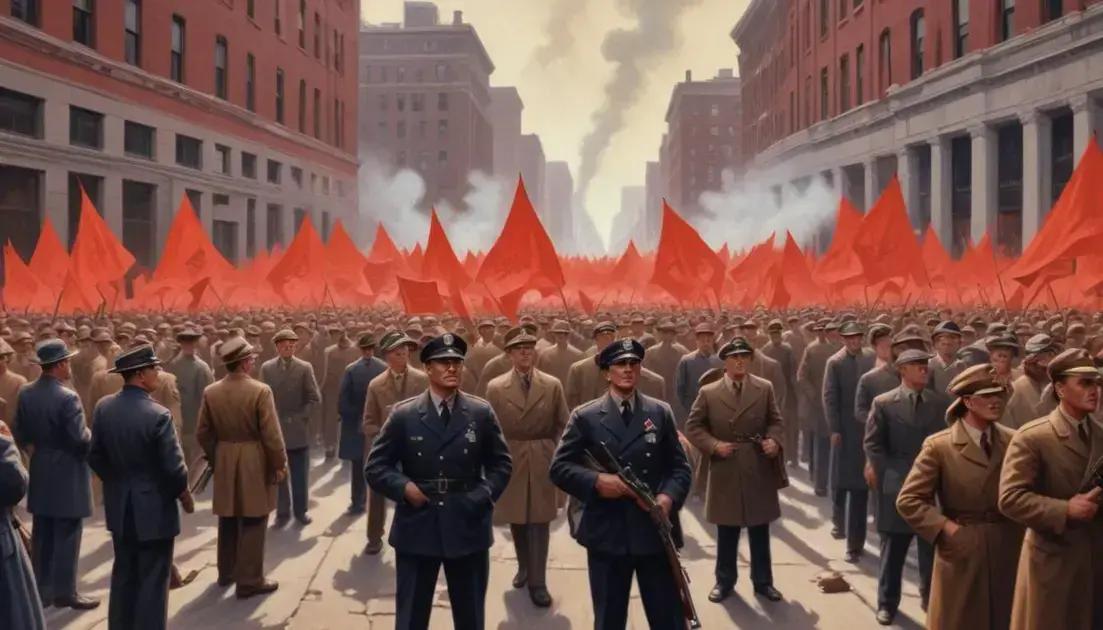
The arms race was a fierce competition between the U.S. and the Soviet Union during the Cold War. Each side aimed to outdo the other in military strength. This meant building bigger and more powerful weapons. The goal was clear: to protect their own country while trying to deter the other from attacking.
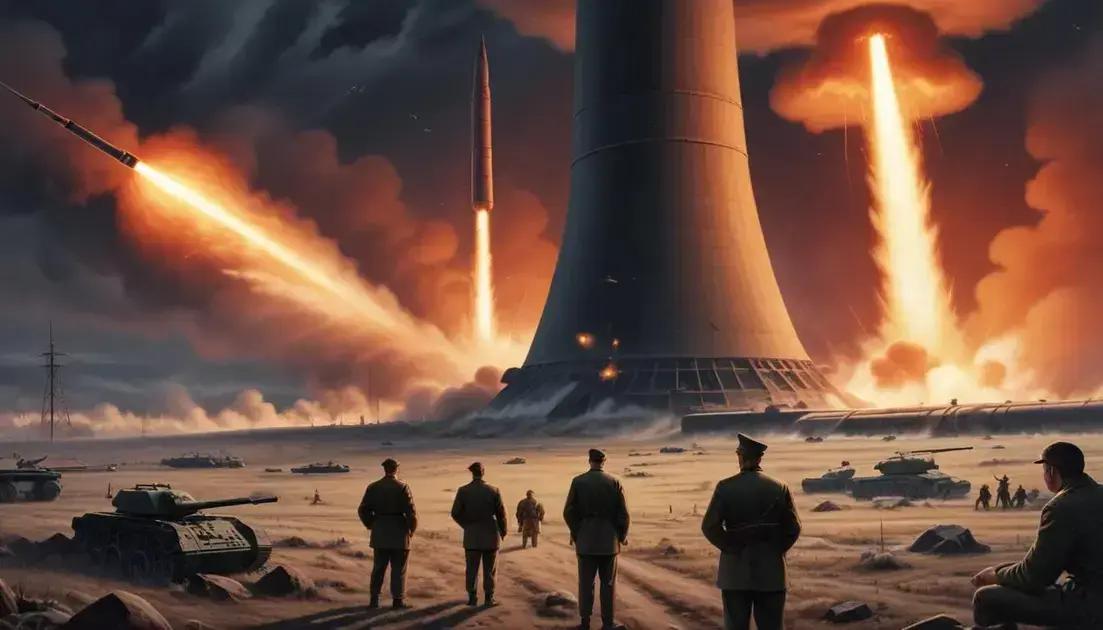
Both nations invested heavily in nuclear weapons. The sheer number of these weapons led to a dangerous situation. It raised global fears of destruction on an immense scale. Understanding these tensions is key to knowing how conflicts can start.
The arms race also involved improving technology. The sides raced to create advanced missiles and spies in the sky, like satellites. These innovations changed military strategies forever. They set the stage for future conflicts and arms control discussions.
It’s important to realize that the competition wasn’t only about weapons. Public fear played a huge role. Leaders used this fear to justify spending on military programs. This added to the tension and uncertainty felt by many around the world.
Through examining the arms race, we see the impact of fear and power. This era also taught us lessons about diplomacy and the need for peaceful resolutions. How nations handle their differences today can prevent similar arms races in the future.
The Impact of Nuclear Weapons
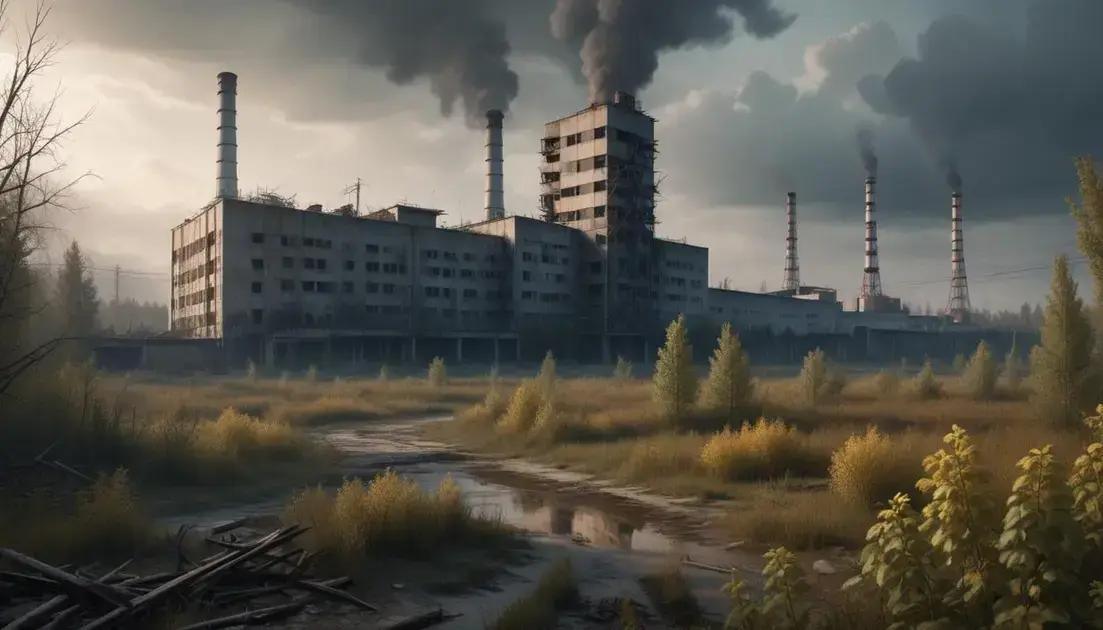
Nuclear weapons have changed how nations interact for decades. Their impact is immense and complex. These weapons are incredibly powerful and can cause massive destruction. Just one nuclear bomb can wipe out entire cities and even kill millions.
The fear of these weapons also plays a major role. Countries know that using them can lead to retaliation on a grand scale. This fear can deter nations from going to war. It creates a delicate balance known as mutual assured destruction. Everyone knows that using nuclear weapons means everyone loses.
Additionally, the threat of nuclear war has pushed countries to seek peace. Global treaties, like the Nuclear Non-Proliferation Treaty, aim to limit the spread of these weapons. These treaties are vital for maintaining global security.
However, the existence of nuclear weapons raises ethical questions too. Should any nation hold such destructive power? These debates are ongoing in international relations.
The impact of nuclear weapons isn’t just military. It shapes politics, economy, and even culture. Movies, books, and art often reflect the fears and hopes surrounding nuclear power. Overall, understanding this impact is crucial for shaping a safer future.
Balanced Fear: Deterrence Theory
Deterrence theory is a key idea during the arms race. It means keeping peace by making others afraid to attack. When two countries have strong weapons, both sides think twice before starting a war.
In simple terms, if one side knows the other can hit back hard, they won’t act aggressively. This is called mutual deterrence. For example, both the U.S. and the Soviet Union built many nuclear weapons. This buildup was meant to prevent the other from using theirs.
People often worry that having so many weapons could lead to a mistake. A wrong move could trigger a war. This is why communication is vital. Open talks can ease tensions and keep misunderstandings at bay.
Countries try to balance their military power. They want to show strength but avoid being too aggressive. This tricky balance is what keeps the peace sometimes. However, it can also lead to dangerous situations.
Understanding deterrence theory helps us see how nations interact. It gives insight into why certain decisions are made during conflicts. Learning about this balance can guide future peace efforts.
The Cold War’s Legacy
The Cold War left a lasting mark on the world. It shaped politics, culture, and society in many ways. One major aspect of its legacy is how countries view military force. Many nations still deal with the fear of conflict, just like during the Cold War.
Ideologies from this era still influence global relationships today. For example, capitalism and communism clashed for decades. Many countries continue to align themselves based on these ideas.
Furthermore, the Cold War sparked technological advances. The race for nuclear weapons led to better technology. This progress spilled over into other fields, like space exploration and computers.
Another important legacy is the impact on international policies. Today, we see treaties and agreements aimed at preventing nuclear spread. Countries work together to ensure peace and security, partly due to lessons learned from the Cold War.
The Cold War also affected culture. Movies, books, and art often reflect the tensions and fears of the time. This cultural impact continues to resonate with new generations.
Overall, understanding the Cold War’s legacy helps us navigate today’s world. The challenges and successes from that era continue to shape global events.
Conclusion
In summary, the arms race and the Cold War have shaped our world in many ways. Understanding the impact of nuclear weapons helps us see the delicate balance of power. The idea of deterrence has influenced how nations think about war and peace.
The legacy of the Cold War continues to be felt today, from international relations to cultural expressions. By learning from these historical events, we can work towards a safer future. Awareness of these issues allows us to promote peace and prevent conflicts.
As we move forward, it’s important to remember the lessons of history. They guide our paths in achieving a more secure and peaceful world for everyone.