Battlefield medicine during the Civil War
The Civil War significantly impacted battlefield medicine, leading to innovations that shaped modern healthcare. Doctors faced urgent challenges, implementing practices like triage, advanced surgical techniques, and hygiene standards to save lives. Their resourcefulness inspired current medical practices, with a focus on infection control and patient care. Comparing Civil War medicine with today’s healthcare reveals remarkable advancements in diagnostic tools and treatment methods. Overall, the dedication of healthcare professionals remains a core value, reflecting the commitment to patient care across different eras.
Battlefield Medicine played a crucial role during the Civil War, transforming horror into progress. Discover how necessity led to groundbreaking advancements in medical care.
The importance of battlefield medicine
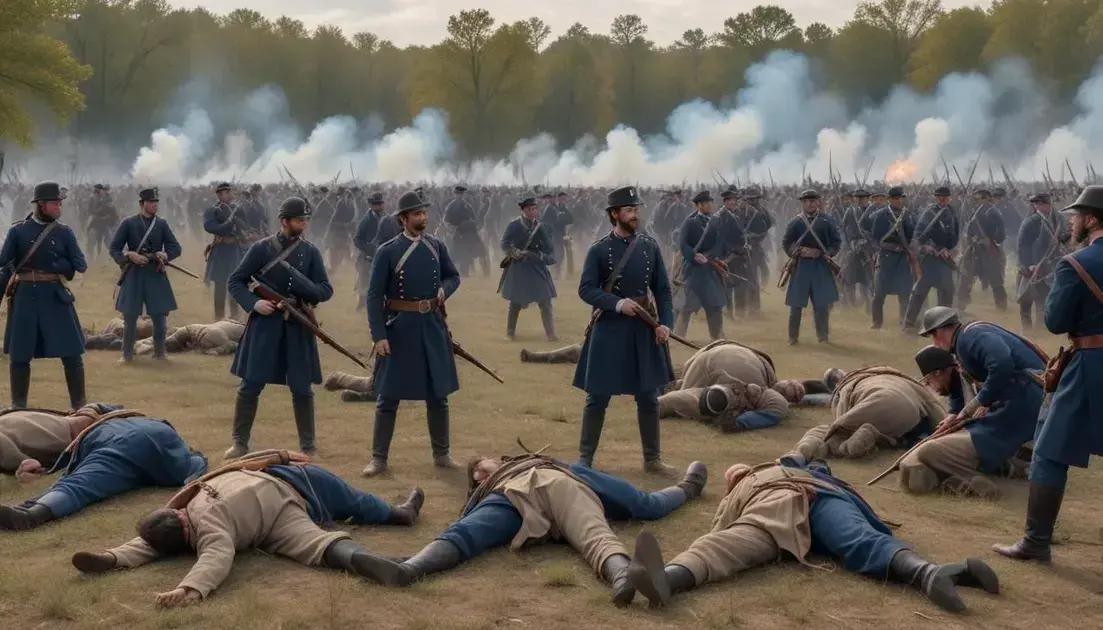
The importance of battlefield medicine during the Civil War cannot be overstated. The need for quick and effective medical care grew as battles raged on. Doctors faced overwhelming challenges, treating numerous injured soldiers often with limited supplies.
Medical teams worked tirelessly on the front lines. They performed surgeries in makeshift hospitals. Their resourcefulness led to new techniques and innovations. Many were forced to think outside the box to save lives.
Transforming Medical Practices
One of the biggest shifts was the focus on sanitation. Doctors realized that clean environments could improve recovery rates. By implementing basic hygiene practices, they reduced infections. As a result, more soldiers survived their injuries.
Amputations and Surgical Advances
With battlefield injuries often severe, amputations were common. Surgeons performed these procedures with greater skill as they gained experience. The speed and efficiency of surgeries increased, leading to better outcomes for patients.
Training for Future Generations
What happened in Civil War medicine laid the groundwork for future practices. Many techniques developed at that time are still used today. The lessons learned have shaped modern medical training and practices.
Doctors of that era not only saved lives but also pushed the field of medicine forward. Their dedication amid chaos and fear made a significant impact. Today, we honor these pioneers and their contributions to healthcare.
Innovations made during the Civil War
Innovations made during the Civil War changed medicine forever. This period sparked new ways to treat injuries. The need for urgent care led to discoveries that improved healthcare significantly.
One major advancement was the development of anesthesia. Surgeons used anesthesia to help patients feel less pain during surgery. This made surgeries more humane and doable.
Field Hospitals and Their Setup
Another innovation was the establishment of field hospitals. These temporary facilities were set up close to battlefields. They allowed doctors to treat injured soldiers quickly, often saving lives.
Ambulance Corps
The creation of the ambulance corps played a vital role too. Trained personnel transported wounded soldiers to hospitals. This effort helped provide timely care, which was crucial for recovery.
Advancements in Surgical Techniques
Surgeons improved their skills on the job. They developed new surgical techniques, like better amputation methods. These methods decreased complications and improved recovery chances for soldiers.
Overall, the innovations made during the Civil War laid a foundation for modern medical practices. They directly influenced how we care for patients today.
Medical practices that evolved from necessity
Medical practices that evolved from necessity during the Civil War are fascinating. Doctors faced high numbers of wounded soldiers every day. This situation forced them to find quick solutions for treating injuries and saving lives.
One major practice that evolved was triage. Triage helps prioritize treatment based on the severity of injuries. It was essential on the battlefield, allowing doctors to focus on those who needed help the most.
Use of Improvised Tools
Doctors also began using improvised tools and techniques. For example, they would create makeshift splints from available materials. This helped stabilize broken limbs until proper care could be given.
Advancements in Surgical Techniques
Surgery practices improved rapidly. Surgeons started to perform operations more skillfully. They learned to conduct amputations with greater speed and precision. This knowledge was crucial as conditions were often chaotic and unpredictable.
Understanding Infections
Doctors began to understand the importance of preventing infections. They adopted basic hygiene measures, like washing hands and tools. This was a significant shift that improved recovery rates among soldiers.
The need for effective medical responses during the Civil War led to these essential changes. The lessons learned from this time shaped how medicine evolved in the years to come.
The role of doctors in wartime
The role of doctors in wartime was crucial during the Civil War. Doctors were not just healers; they were lifesavers on the battlefield. They faced unique challenges that required quick thinking and bravery.
Doctors worked in tough conditions. They had to perform surgeries in makeshift hospitals, often under fire. Their skills were tested daily as they treated a steady stream of injured soldiers.
Providing Immediate Care
Many wounded soldiers arrived with critical injuries. Doctors had to assess patients quickly and decide who needed help first. This process, known as triage, was vital for saving as many lives as possible.
Innovating Medical Practices
Facing overwhelming situations pushed doctors to create new medical practices. They learned to improvise tools and methods. This creativity helped them treat injuries on the spot and improve survival rates.
Advocates for Sanitary Conditions
Doctors also advocated for better sanitary conditions. They understood that cleanliness could prevent infections and save lives. Their emphasis on hygiene changed medical practices for the better.
Throughout the war, these dedicated professionals made a lasting impact. Their commitment and resourcefulness influenced the future of medicine, shaping how we care for patients today.
Comparative analysis of Civil War medicine and modern practices
Comparative analysis of Civil War medicine and modern practices shows just how far healthcare has come. While doctors in the Civil War worked under challenging conditions, they laid the groundwork for many practices we use today.
Back then, medical knowledge was limited. Surgeons often had to rely on their instincts and improvisation. Today, however, we have advanced training and technology at our fingertips.
Diagnostic Techniques
During the Civil War, there were few diagnostic tools. Doctors could only rely on physical exams and patient history. Now, we use imaging technology, like X-rays and MRIs, to diagnose conditions more accurately.
Infection Control
Infection control was almost nonexistent in the past. Many patients died from infections after surgery. Now, doctors follow strict hygiene practices and use antibiotics to prevent and treat infections.
Patient Care and Triage
Triage has improved but remains crucial in emergencies. Civil War doctors prioritized care based on injuries. Today, we use advanced systems to ensure that patients receive appropriate care as quickly as possible.
Despite these differences, the spirit of dedication remains the same. Both Civil War doctors and modern healthcare professionals share a commitment to saving lives and improving patient outcomes.
Conclusion
In conclusion, the evolution of battlefield medicine during the Civil War has shaped healthcare as we know it today. From innovative practices such as triage to a greater focus on hygiene, these changes helped save many lives. Doctors worked under extreme pressure and adapted quickly, paving the way for modern medical practices.
By comparing Civil War medicine to today’s healthcare, we can appreciate how far we have come. Advances in technology and techniques now allow for better diagnosis and treatment. Yet, the dedication of healthcare professionals remains a constant, echoing the commitment of those who served in the past. This commitment is the heart of medicine, ensuring patients receive the best care possible, no matter the era.