Space Age inventions that changed everyday life
Space technology has greatly impacted daily life through innovations like satellite communication, GPS navigation, and advanced medical devices. Key developments from NASA and other space agencies include water purification systems, telecommunications advancements, and robotics, all of which solve real-world problems and enhance efficiency. Future innovations, such as space mining and improved propulsion systems, promise exciting possibilities for both space exploration and everyday applications on Earth.
Space inventions have transformed our daily routines in ways we often overlook. From simple things like Velcro to high-tech satellite TV, these innovations have truly changed the game. Curious how? Let’s dive in!
The Invention of Velcro: Sticky Solutions from Space
The invention of Velcro is a fascinating story of how space technology found its way into our lives. George de Mestral, a Swiss engineer, got the idea for Velcro after noticing how burrs stuck to his clothes and his dog’s fur. This curiosity led him to create a simple yet effective fastening system that would eventually revolutionize industries.
Velcro consists of two strips – one with tiny hooks and another with loops. When pressed together, they form a strong bond, yet they can be easily pulled apart. This unique design is what makes Velcro so popular in various applications, from clothing to footwear.
In the Space Age, Velcro became essential for astronauts. It helped secure tools and equipment inside spacecraft. With its simplicity and strength, it reduced the risk of items floating away in microgravity. The use of Velcro made operations more efficient and safe in outer space.
Today, Velcro is everywhere! You’ll find it in our shoes, bags, and even in the medical field. It’s the go-to solution for anyone needing a quick and reliable fastening method. Whether it’s a child’s sneakers or a high-tech spacesuit, Velcro keeps things together.
So, next time you use Velcro, think about its amazing journey from a simple idea inspired by nature to a high-tech solution used in space exploration. It’s a perfect example of how innovation can change our everyday lives!
Satellite TV: The Sky’s the Limit
Satellite TV changed how we watch television forever. Before satellites, people relied on antennas or cable. These options often limited the number of channels. With the launch of satellite TV, viewers gained access to hundreds of channels. This made watching TV more exciting and diverse.
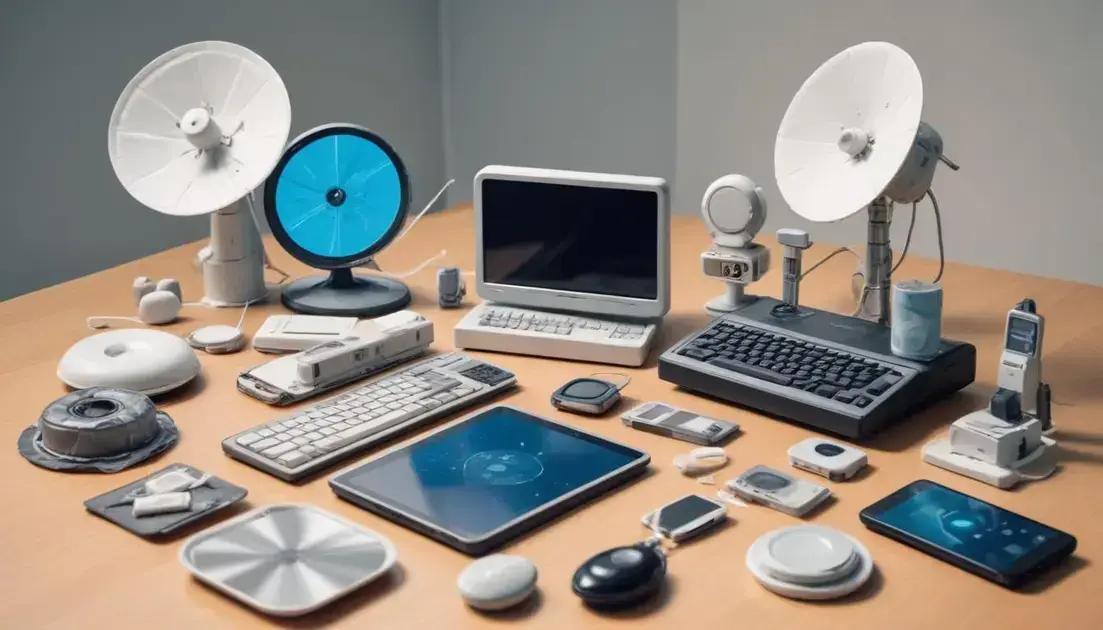
How does satellite TV work? It uses satellites orbiting the Earth to transmit signals. These satellites send signals down to a dish installed at your home. This dish captures the signals and sends them to your TV. It’s a pretty cool setup!
One benefit of satellite TV is its wide reach. Even if you live in a rural area, you can enjoy clear reception. No more fuzzy pictures or dropped signals during storms. Satellite TV delivers high-quality images and sounds, making your favorite shows and movies even better.
Additionally, satellite TV offers on-demand services. You can watch what you want, when you want. Many providers now allow streaming on various devices, so you’re not stuck in front of your TV. This flexibility is big for people who have busy lives.
Of course, satellite TV does have some downsides. It usually requires installation and can be more expensive than cable. However, many people find the variety and quality worth the price. Satellite TV has truly made entertainment more accessible and enjoyable.
NASA Innovations: Beyond Rocket Science
NASA is famous for rocket science, but its innovations go much further. Through its research, NASA has developed many technologies that impact our daily lives. For instance, did you know that the technology behind memory foam came from NASA? This material was originally created to improve seat cushioning in spacecraft.
Another amazing innovation is LED lights. NASA used these lights on space missions to explore ways to grow plants in space. Today, we use LED lights everywhere, from homes to streetlights. They save energy and last much longer than traditional bulbs.
NASA’s work has also led to advancements in medical technology. The thermal blankets used by astronauts are now utilized in hospitals to keep patients warm during surgery. This simple innovation helps save lives and improve patient care.
Additionally, NASA invests in technologies to improve safety. Their research on aircraft safety systems has made flying safer for everyone. They study how to prevent accidents and improve landing systems, making air travel more reliable.
Even your smartphone benefits from NASA’s innovations. The technology for GPS navigation systems was developed with help from satellite communications used by NASA. Now we rely on this for directions every day!
Everyday Applications: How Space Tech Fits In
Space technology plays a bigger role in our everyday lives than we might think. Many devices and tools we use daily have roots in research done for space exploration. One great example is weather forecasting. Satellites provide vital information about weather patterns. This helps us prepare for storms, rain, or sunshine ahead of time.
Another common application is GPS technology. Originally developed for military purposes and then adapted for space use, GPS is crucial for navigation. People use it for driving, hiking, and even delivery services. Without it, getting lost would be a lot easier!
Have you ever heard of water purification systems? NASA developed these systems to provide clean water in space. Now, similar technology helps communities ensure they have clean drinking water on Earth. This shows how space tech can solve problems back home.
Even in the field of medicine, space technology has made an impact. Techniques like telemedicine, which allows doctors to consult with patients remotely, grew from NASA’s need to monitor astronauts’ health. This helps patients get care from the comfort of their homes.
Finally, many modern materials we use today, like heat-resistant fabrics, were developed for space suits. They are now used in firefighting gear and high-performance sportswear. This proves that while we look to the stars, space tech continually enhances our lives here on Earth.
Future Innovations: What’s Next from Space
Future innovations from space exploration promise exciting breakthroughs for everyone. As we continue to explore the universe, scientists are discovering new technologies that could improve our daily lives. One area to watch is space mining. This could allow us to extract valuable materials from asteroids and other celestial bodies. These resources might solve shortages on Earth.
Another big focus is advanced propulsion systems. These systems aim to make space travel faster and more efficient. Imagine traveling to Mars in just a few weeks instead of months! This could open the door for more people to experience space travel.
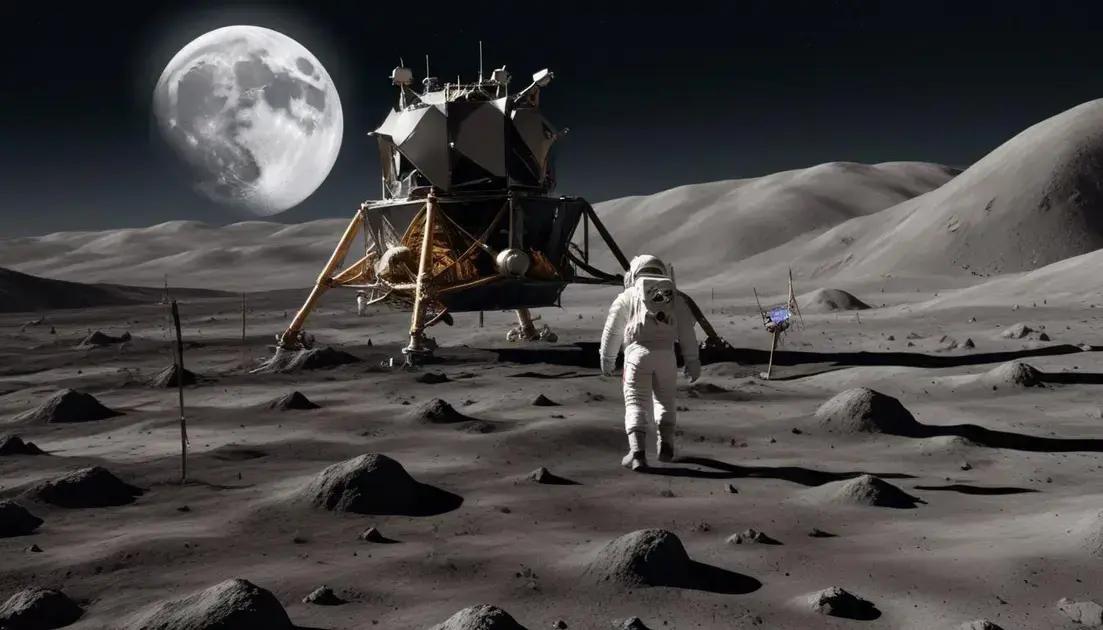
We’re also looking at habitats in space. NASA and other agencies are planning to create sustainable living conditions on the Moon and Mars. This could help astronauts live and work for extended periods. Eventually, it might lead to making these planets habitable for humans.
The development of robotics and artificial intelligence (AI) is vital for future exploration. These technologies can assist astronauts on missions, perform experiments, and even maintain equipment in space. This boosts efficiency and safety for human crews.
Finally, the integration of telecommunication technologies from space will enhance our global communication systems. Improving satellite communication can provide better internet access to remote areas on Earth. This connects more people and communities globally.
Conclusion
In conclusion, the innovations from space exploration significantly enhance our daily lives. From advanced technologies in medicine to the impact of satellite communication, space tech continues to shape our future. As we look ahead, new developments like space mining and improved robotics promise even more exciting changes.
These innovations not only push the boundaries of what we can achieve in space, but they also offer practical solutions for problems here on Earth. Embracing these advancements will help us build a better and more connected world. So, let’s keep our eyes on the stars and see how the next wave of space technology will change our lives for the better!