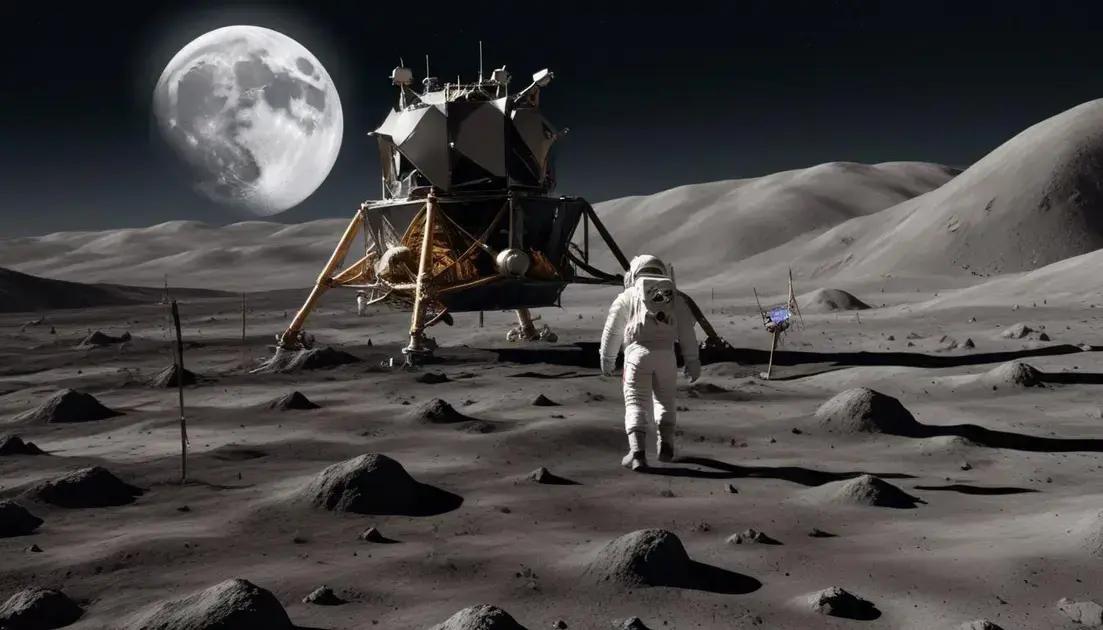
Space propaganda: the war for hearts and headlines
The impact of space-driven narratives is significant as they inspire innovation, encourage global collaboration, and enhance public interest in science. Successful space missions influence national identity and shape perceptions about technology’s role in society. As exploration continues, these narratives will help address global challenges and inspire future generations to pursue careers in STEM, making space exploration a shared human endeavor with lasting implications for our world.
In the realm of space exploration, every launch tells a story that resonates across our planet. Curious how this shapes our future? Let’s dive in!
The historical context of space propaganda
Space propaganda has deep roots in history. In the early days of space exploration, nations wanted to show their strength. The first satellites, like Sputnik, were symbols of technological prowess. They sparked competition, especially during the Cold War.
The Cold War Era
During the Cold War, space became a battleground for ideas and pride. Both the U.S. and the Soviet Union aimed to outdo each other. Every launch was not just about science; it was also about winning hearts and minds.
Key Events in Space Propaganda
Key events such as the Apollo Moon landing in 1969 were celebrated worldwide. They showed that America could achieve great things. Events like these helped shape public opinion and boost national pride.
On the flip side, the Soviet launches also made headlines. They fueled excitement in their own country and struck fear elsewhere. Both sides used these moments to share their philosophies and showcase their achievements.
The Importance of Public Perception
The public’s perception of space missions can change due to these propaganda efforts. When people see a successful launch, they often feel pride in their country. Government support and funding for space initiatives can depend on this excitement.
Today, space propaganda continues. It adapts to modern technology and social media. Countries now showcase their missions online, reaching a vast audience. The goal remains the same: to inspire and create a sense of national pride.
Major players in the space race
The space race featured several major players. The most notable were the United States and the Soviet Union. Each aimed to prove their superiority through space exploration.
The United States
The U.S. focused on landing humans on the Moon. NASA, the nation’s space agency, worked on many projects. The Apollo program was key to this goal. Apollo 11 succeeded in landing astronauts on the Moon in 1969. This achievement brought great pride and showed technological strength.
The Soviet Union
The Soviet Union was a pioneer in space as well. They launched the first artificial satellite, Sputnik, in 1957. This event shocked the world and sparked fear in the U.S. It marked the start of the space race.
They also sent the first human, Yuri Gagarin, into space. This was a historic moment that showcased their capabilities. The Soviet Union used these milestones to promote their ideological strength.
Other Countries and Organizations
Other countries began joining the space race later. China, India, and the European Space Agency are notable examples. They also made important contributions and aimed to become independent space powers.
The rise of private companies in recent years has changed the landscape. Companies like SpaceX and Blue Origin now play significant roles. They have brought new energy and innovation to space exploration.
Impact of These Players
The actions and achievements of these major players shaped public perception. They influenced policies and funding for space programs. Overall, the competition inspired technological advancements. The legacy of the space race continues to impact our world today.
Impact on public perception
The impact on public perception during the space race was enormous. Each successful launch generated excitement and national pride. People felt connected to these historic events, even from afar.
Influencing National Identity
Space missions helped shape national identity. In the U.S., the Moon landing was a source of pride. It showed the world American ingenuity and strength. In the Soviet Union, successful missions showcased their technological prowess.
Media Coverage
Media played a crucial role in shaping public perception. News outlets covered launches and missions extensively. Images of astronauts in space captivated audiences. The thrilling narratives made people cheer for their nations.
Public Engagement
Public interest in science and technology surged during this time. Schools began to teach more about space exploration. Youngsters dreamed of becoming astronauts and scientists. This sense of wonder encouraged future generations to pursue careers in STEM fields.
Social Movements
The space race also sparked social movements. People began to question technological advancement and its impact on society. Environmental, racial, and economic issues emerged as important topics.
As nations competed in space, citizens discussed their values and aspirations. The headlines did more than report—they inspired debates about humanity’s future.
Long-term Effects
Even today, the legacy of the space race affects public perception. People still admire space exploration and its possibilities. Organizations like NASA continue to inspire the next wave of dreamers and thinkers. The journey to the stars remains a symbol of hope and human achievement.
Future implications of space-driven narratives
The future implications of space-driven narratives are exciting and profound. As space exploration advances, stories around it will evolve too. These narratives can shape how we see ourselves and our place in the universe.
Inspiring Innovation
Space exploration has always inspired innovation. New technologies developed for space missions can change life on Earth. For example, advancements in materials and communication emerged from previous space projects. Future missions will likely bring even more breakthroughs that benefit everyone.
Encouraging Global Collaboration
Space-driven narratives can lead to greater global collaboration. Countries may work together on joint missions. This cooperation could foster peace and understanding, as nations unite for a common goal: exploring space. Sharing knowledge and resources can strengthen relationships.
Educational Opportunities
The stories we tell about space can spark interest in science and education. Young people may be inspired to pursue careers in STEM fields. Schools can use emerging space projects as learning tools. This helps students connect with real-world applications of their studies.
Addressing Global Challenges
Space exploration narratives may also address global challenges. As we look to the stars, we must think about sustainable practices on Earth. Discussions about how to protect our planet can be woven into space narratives. This will keep the focus on the interdependence of life on Earth and in space.
Shaping Cultural Identity
In the future, space narratives can help shape cultural identities. Different cultures may find unique meanings in space stories. This can lead to rich discussions about what it means to be human in a vast universe. As we explore, we also reflect on our values and beliefs.
Conclusion
In conclusion, exploring space and sharing its stories greatly impacts our world. These narratives not only inspire innovation but also encourage collaboration among nations. As we look to the stars, we connect with our shared human experience.
Understanding our place in the universe promotes curiosity and motivates young minds to pursue science and technology. Future space-driven narratives will help us tackle global challenges and inspire future generations to come. Ultimately, the journey through space is a journey within ourselves, revealing our values, hopes, and dreams for a brighter tomorrow.
Tags: