The invention that made humans survive in space
The future of human survival in space involves developing sustainable life support systems, advanced habitats, and effective energy sources for long-term missions on the Moon and Mars. As astronauts adapt to new environments, technology and international collaboration will play crucial roles in ensuring safety and health during exploration, paving the way for a successful presence beyond Earth.
Space Exploration has come a long way, hasn’t it? With engineering marvels, we’ve crafted suits to protect those daring enough to navigate the void. Let’s dive into the innovations!
The significance of space exploration
The significance of space exploration goes beyond just reaching the stars. It’s about expanding our knowledge and pushing the limits of what we know. Every mission teaches us something new.
Space exploration helps us understand our planet better. Studying the Earth from orbit gives us insights into climate change and natural disasters. This knowledge can lead to better prediction and preparation.
Exploring other planets and moons also opens up possibilities. For instance, Mars could provide clues about the history and potential for life beyond Earth. Such discoveries spark our curiosity and imagination.
Moreover, space exploration drives technology forward. Many tools and inventions we use every day came from NASA research. Things like weather forecasting, satellite communication, and even medical advancements stem from space missions.
Finally, space exploration unites us as a species. It shows what we can achieve when we work together. Countries across the globe collaborate on missions, sharing knowledge and resources. This spirit of cooperation builds a brighter future for all of us.
Technological advancements in space suits
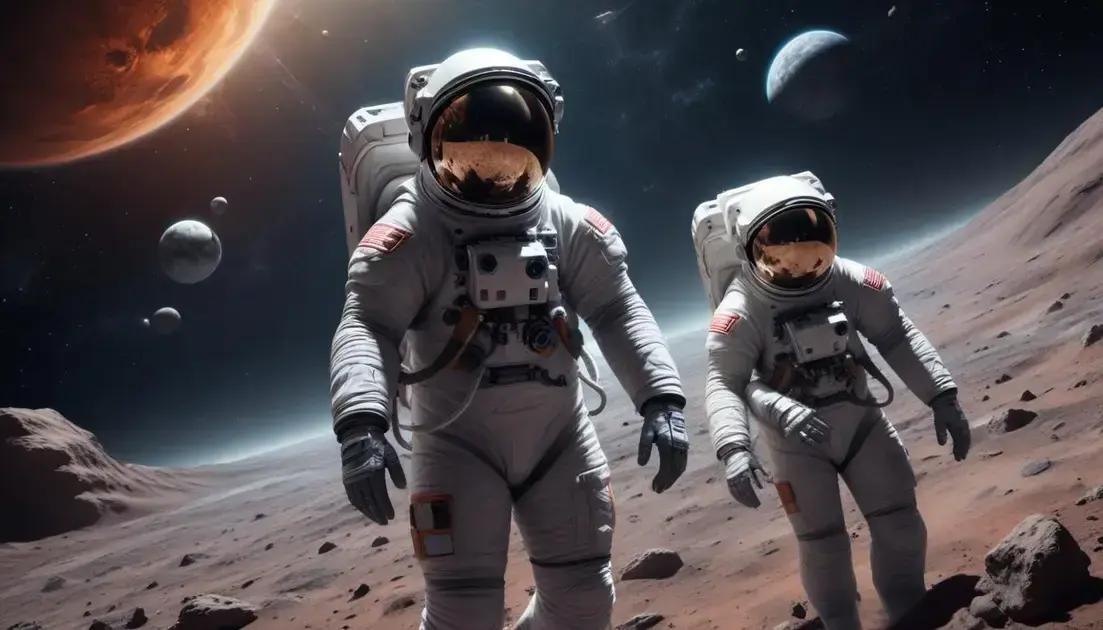
Technological advancements in space suits have made a big difference for astronauts. These suits are like wearable spacecraft. They keep astronauts safe and comfortable in harsh conditions.
Modern space suits now include advanced materials. These materials are lightweight but very strong. They provide protection from radiation and extreme temperatures. This makes space travel much safer.
Astronauts also have better mobility in new suits. Engineers design them to allow for easier movement. This way, astronauts can work more effectively outside their spacecraft during missions.
Life support systems in space suits are constantly improving, too. Today’s suits supply oxygen and remove carbon dioxide efficiently. This keeps astronauts safe during long missions on the moon or Mars.
Communication technology is also key. New suits have built-in communication devices. This allows astronauts to talk with their teams while they explore. Staying connected is crucial for safety and mission success.
Lastly, the use of smart technology in suits is exciting. Some suits can monitor an astronaut’s health. This includes heart rate and body temperature. Real-time data helps ensure astronauts stay healthy in space.
Challenges faced by astronauts
Challenges faced by astronauts can be tough. Space isn’t like Earth. Astronauts have to deal with many conditions that test their skills and training.
One major challenge is microgravity. In space, there’s very little gravity, which can affect the body. Astronauts may face muscle loss and bone density reduction during long missions. They need to exercise regularly to stay fit and healthy.
Radiation is another concern. In space, astronauts are exposed to higher levels of radiation. This exposure can increase the risk of health issues in the long run. Special shielding in spacecraft helps, but it’s still a significant risk.
Isolation is also challenging for astronauts. Living in a small space can feel lonely. They must cope with being away from family and friends for long periods. Maintaining mental health is vital during these missions.
Communication can be tricky, too. Even though technology connects astronauts to their teams, there can be delays. This makes real-time problem-solving difficult. Astronauts need to be self-reliant and think on their feet.
Finally, safety is always a priority. Each mission has risks, and astronauts must be prepared for emergencies. Training helps them handle unexpected situations, but the stress can be high.
Future of human survival in space
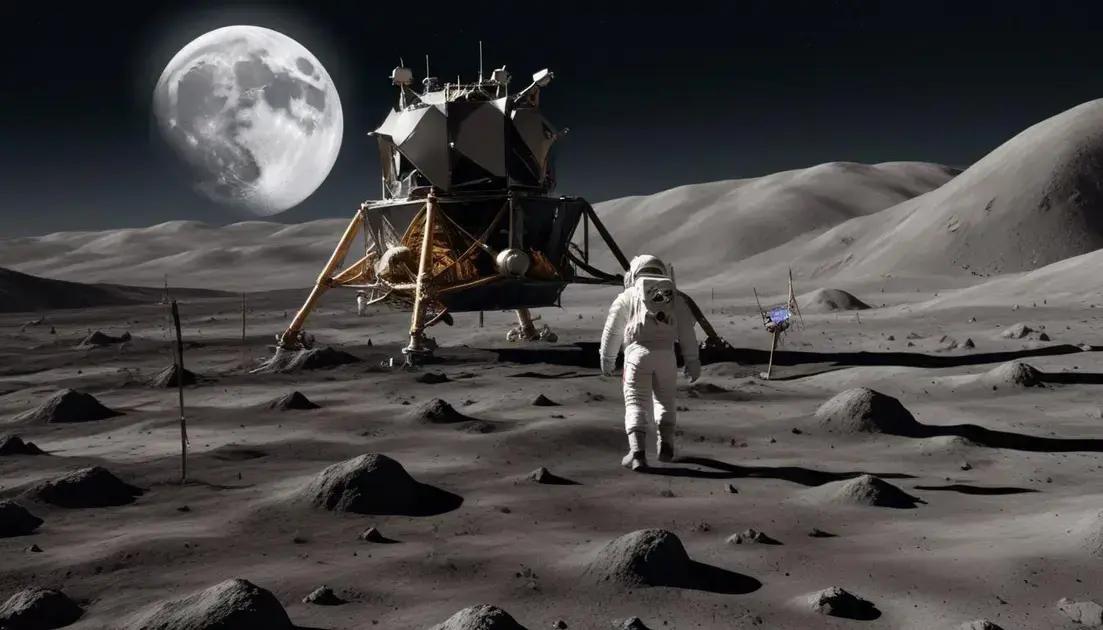
The future of human survival in space looks promising and exciting. As we explore beyond Earth, we need to think about how to live there safely. Future missions will focus on long-term habitats on the Moon and Mars.
One key part is developing sustainable life support systems. These systems will recycle air and water. They will also grow food in space. This means astronauts won’t need to rely on Earth supplies.
Technology will play a big role. Advancements in robotics will help build habitats and maintain life-support systems. Robots can handle the dangerous tasks, making space safer for humans.
Next, we’re learning to adapt to other planets. Mars has weak gravity and different weather conditions. Research is underway to understand how these factors affect our bodies over time. Astronauts will need to stay healthy and strong.
Solar and nuclear energy will power future missions. These energy sources can provide power for long periods. This way, astronauts can focus on their work without worrying about running out of energy.
Lastly, international collaboration will shape our future in space. Countries will work together to share technology and knowledge. By joining forces, we can make space exploration safer and more successful for everyone.
Conclusion
In conclusion, the future of human survival in space is bright and full of possibilities. As we prepare for long-term missions on the Moon and Mars, innovations in technology will help us thrive. Sustainable life support systems and advanced energy sources will keep astronauts safe and healthy.
We will learn to adapt to new environments while working together on a global scale. By sharing knowledge and resources, we can tackle the challenges of space exploration. The journey ahead may be tough, but with determination and teamwork, humanity can make its mark beyond Earth.