The invention that redefined speed and travel
The future of travel technology is exciting, featuring innovations like flying cars and hyperloop systems that promise faster and more efficient travel. These advancements aim to enhance travel experiences through personalization and sustainability. As technology evolves, travelers can expect greener options and more tailored travel journeys, making the world feel smaller and more accessible than ever.
Ever wondered how speed reshaped our world? From the first steam engines to today’s high-speed trains, the journey of travel has been nothing short of revolutionary. Let’s dive into how these innovations transformed our lives!
Introduction to speed and travel innovations
Speed and travel innovations have changed how we explore the world. In the past, traveling long distances took days or weeks. Today, thanks to advancements in technology, we can cross oceans in mere hours.
Historical Background
The journey of speed begins with inventions like the steam engine. It revolutionized travel on land and water. People could go farther and faster than ever before. The introduction of airplanes took it a step further, connecting continents in just hours.
Modern Innovations
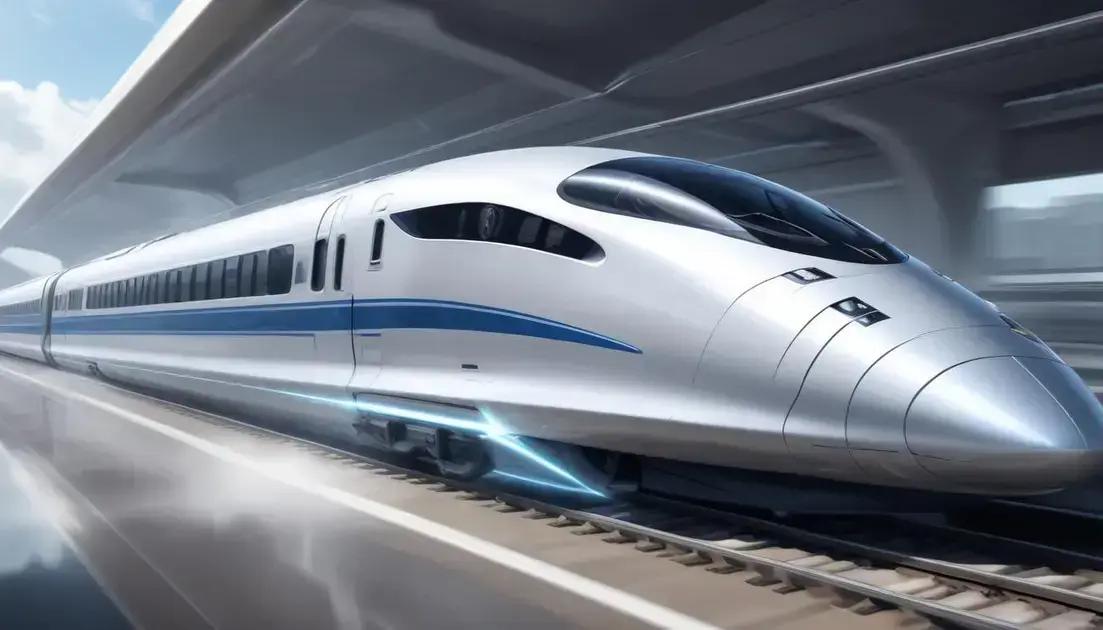
Today, we see innovations like high-speed trains. These trains run faster than most cars. They make travel easy and eco-friendly. Emerging technologies like Hyperloop promise to take speed to new limits.
Global Impact
Fast travel impacts our lives greatly. It opens up opportunities for business, tourism, and cultural exchange. People can meet and collaborate in ways that were once impossible. As we travel faster, the world feels smaller and more connected.
Historical evolution of travel speed
The historical evolution of travel speed is fascinating. It shows how humans have always sought faster ways to move. In ancient times, people traveled on foot or with animals. It was slow, taking days to cover short distances.
Early Innovations
The invention of the wheel changed everything. It allowed for faster transport using carts. Later, ships became crucial for long-distance travel. They carried goods and people across oceans.
The Age of Steam
The steam engine marked a major shift in speed. In the 19th century, trains began connecting cities. These trains were faster than any horse-drawn vehicle. People could travel hundreds of miles in just a day.
Aviation Breakthroughs
The Wright brothers’ first flight in 1903 opened the skies. Planes revolutionized long-distance travel. Now, flying can get you across countries in hours, not days.
Modern Developments
Today, we have high-speed trains and advanced aviation technology. These innovations have taken speed to new heights. People can travel globally in a fraction of the time compared to the past.
Modern advancements in travel technology
Modern advancements in travel technology are impressive. They make our journeys easier and faster. Today, we have tools that help plan trips quickly. Mobile apps allow us to book flights and hotels in seconds.
High-Speed Trains
High-speed trains have transformed land travel. They move swiftly between cities, cutting travel time significantly. Countries like Japan and France have pioneered this technology, making traveling by rail appealing.
Smart Airports
Airports now use technology to enhance the flying experience. Automated check-ins and security lines save travelers time. Smart boarding passes on your phone simplify the boarding process.
In-Flight Innovations
In-flight technology continues to improve. Airlines offer Wi-Fi, entertainment systems, and power outlets. This keeps us connected during flights, making long trips more bearable.
Future Trends
The future of travel technology looks promising. Concepts like flying taxis and hyperloop systems are under development. These innovations could change how we think about distance and travel time.
Future trends and their implications
Future trends in travel technology are exciting and full of promise. Innovations like flying cars and automated travel hubs are on the horizon. These ideas could change how we travel forever.
Flying Cars
Flying cars are no longer just science fiction. Companies are working hard to develop them. Imagine skipping traffic jams and soaring over cities in a few years.
Hyperloop Systems
The Hyperloop concept aims to transport passengers at incredible speeds. This system could connect cities in a fraction of the time it takes today. It promises a new era for travel efficiency.
Green Travel
Sustainability is becoming a key focus in travel technology. Electric planes and eco-friendly ships are being developed to reduce carbon footprints. This shift is important for our planet’s future.
Personalized Travel Experiences
Advancements in AI will allow more personalized travel. Smart systems can suggest trips based on your preferences. These tailored experiences can make travel more enjoyable and unique.
Conclusion
In conclusion, the future of travel technology is bright and full of possibilities. Innovations like flying cars and hyperloop systems could change how we move from place to place. These advancements not only promise faster travel but also greener options for our planet.
As we look ahead, personalized travel experiences will likely become the norm. Technology will help us connect better with destinations that match our interests. Embracing these changes will enhance our journeys and make travel more enjoyable for everyone.
Overall, staying informed about these trends is essential. They can reshape how we think about travel, making it faster, more efficient, and environmentally friendly in the years to come.
Tags: