The Birth of American Rail Transportation
Rail transportation has profoundly impacted American society by connecting cities, boosting economies, and facilitating cultural exchange. Innovations such as steam locomotives, electric trains, and high-speed rail have transformed travel and freight transportation. Despite challenges, including the displacement of communities, railroads remain vital today, providing sustainable transport solutions while shaping the country’s infrastructure and social dynamics.
Rail Transportation transformed the American landscape, connecting bustling cities and remote towns. How did trains ignite progress and change lives? Let’s explore!
Introduction to Rail Transportation
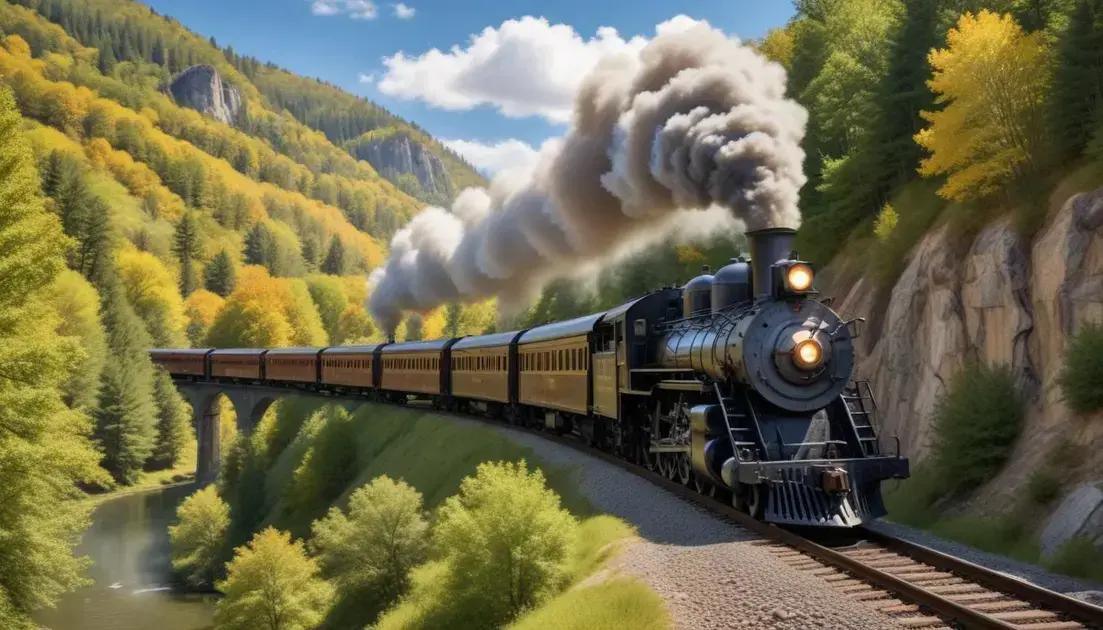
Rail transportation played a crucial role in shaping America. It began in the early 19th century, when the first steam trains appeared. These powerful engines pulled large cars full of goods and people.
Connecting Communities was significant. Towns that once felt isolated became accessible. People could travel long distances quicker than ever. This change helped grow cities and boosted economies.
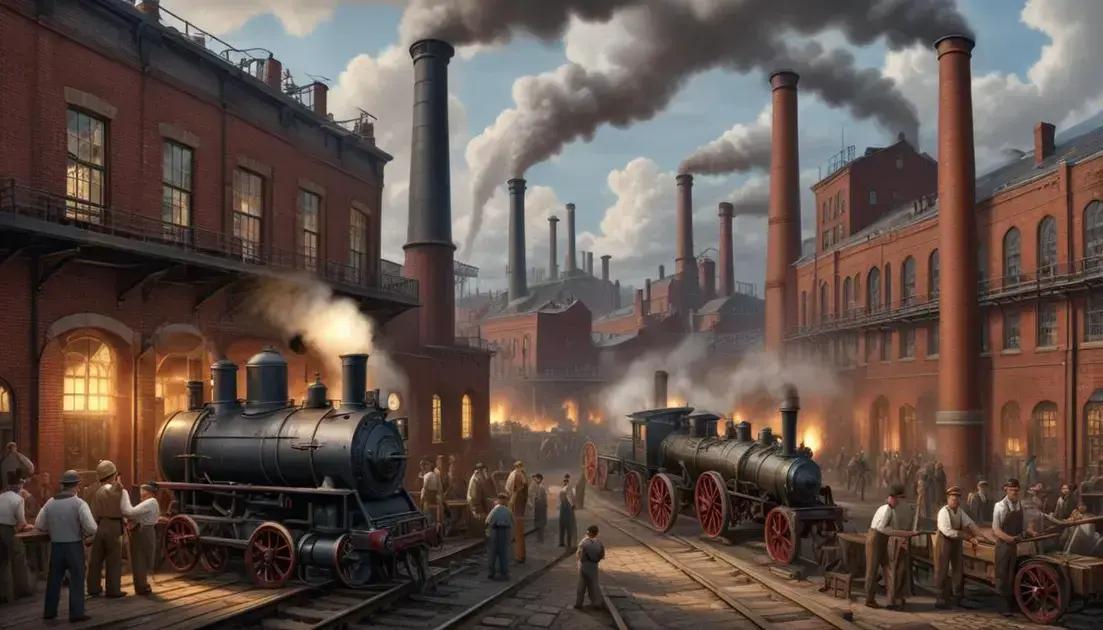
As railroads expanded, industries grew. Factories could now receive raw materials and send products quickly. Farmers shipped crops faster, reaching markets while goods were fresh.
The era of rail transportation also sparked the American spirit. Trains became a symbol of progress and adventure. They opened doors to new opportunities for many.
Innovations in Technology pushed railways forward. Iron and steel improved trains’ strength. More efficient engines made travel faster. By the late 1800s, railroads had connected almost every part of the country, transforming the way people and goods moved.
Rail transportation continues to influence us today. It lays the groundwork for modern transport systems. Understanding its history helps us appreciate the journeys we take now.
Historical Development
The historical development of rail transportation in America was remarkable. It all began in the early 1800s. The first railroads were simple wooden tracks with horse-drawn carts.
By the 1820s, steam locomotives started to appear. These engines changed everything. They could pull heavier loads and travel much faster. The need for better transportation grew as cities expanded.
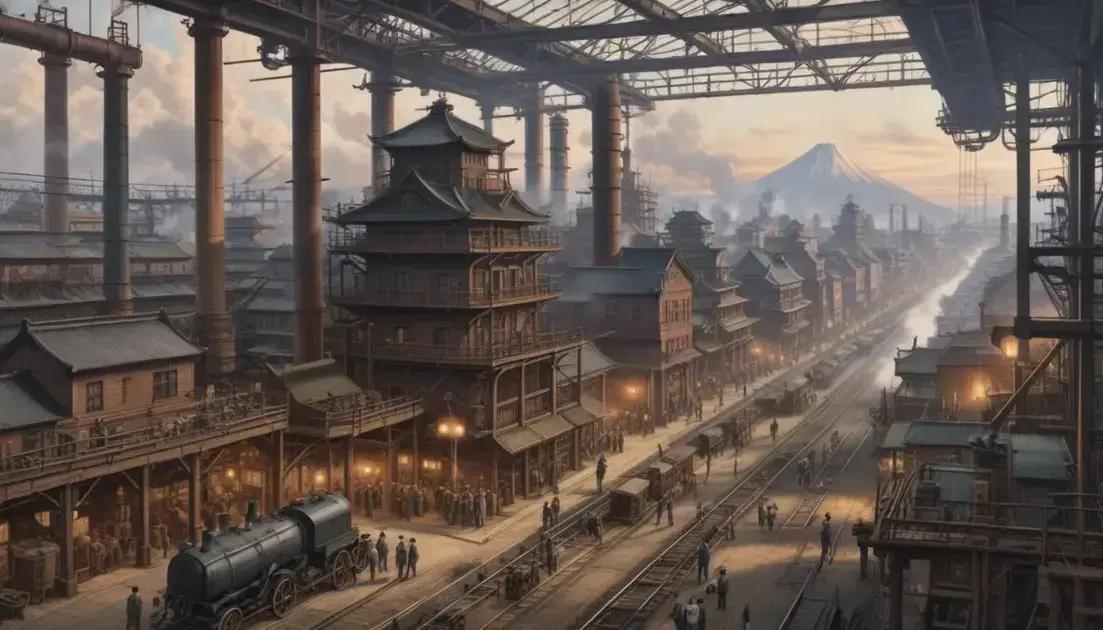
In 1863, the first subway system opened in London, inspiring American cities. Soon, railroads crossed the nation. The Transcontinental Railroad was completed in 1869. This connected the East and West coasts for the first time.
This development drove economic growth. Industries flourished thanks to faster delivery of materials and goods. Farmers could send their products to cities quickly.
Rail transportation also affected migration. Many people moved west in search of opportunities. Trains made long-distance travel safe and affordable. Families packed their belongings and boarded trains to new lives.
Throughout the late 1800s and early 1900s, railroads expanded. They built more tracks and improved technology. By the mid-20th century, the rail network was a vital part of American life.
The rise of automobiles and airplanes changed the landscape later. Yet, rail transportation remains important today. It still plays a key role in moving freight and passengers across the country.
Impact on American Society
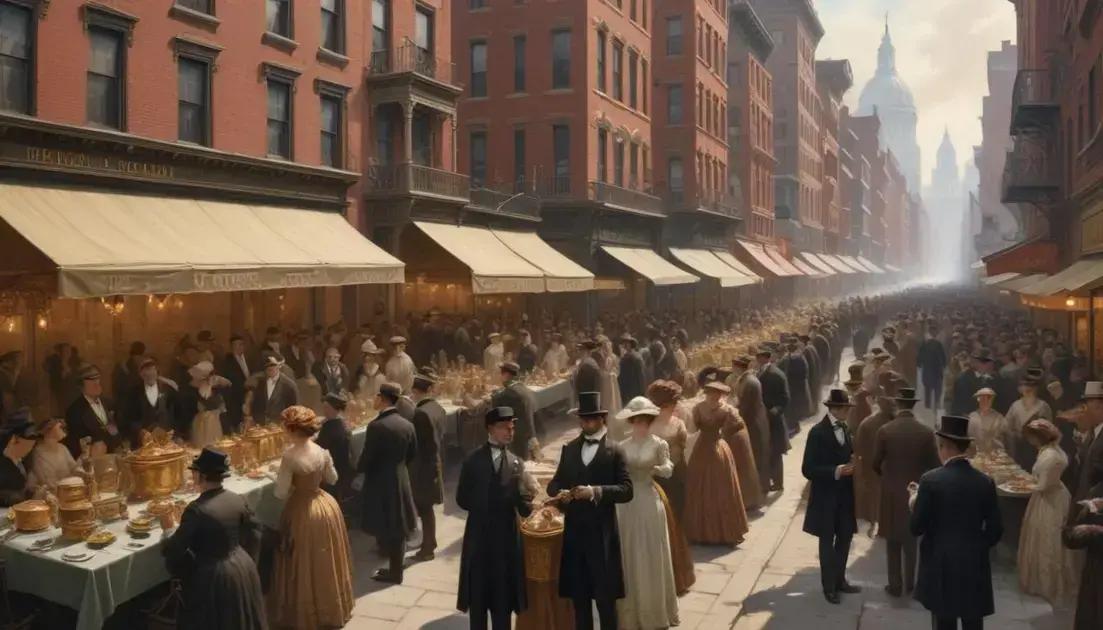
The impact on American society from rail transportation has been enormous. Trains connected people and places like never before. They linked small towns to big cities.
Railroads brought economic growth. Industries thrived as they could ship goods faster. Farmers could transport crops to markets without delay. This boosted local economies and created jobs.
Trains also changed how people traveled. Families could visit relatives far away. Workers could commute to jobs in cities. This increased movement encouraged cultural exchange. People learned from each other.
Along with progress came challenges. Railroads often cut across lands held by Native Americans. This led to conflicts and loss of territory. Communities changed as railways divided them.
The railways also opened the West for settlement. Many people migrated in search of a better life. Cities like Chicago and Denver grew quickly. Trains made westward expansion possible.
In addition, railroads contributed to social changes. They played a role in the civil rights movement. Trains were important spaces for organizing and activism.
Even today, rail transportation impacts society. It influences urban planning and environmental issues. Understanding its history helps us see its current role in America.
Technological Innovations
Technological innovations in rail transportation have made a significant difference. Early trains used steam engines, which were powerful but required much fuel. Over time, engineers improved designs for better efficiency.
In the late 1800s, electric trains appeared. They were cleaner and could go much faster. Cities like New York used them in subways, changing how people traveled.
The introduction of diesel engines in the 1930s was another big step. These engines were less costly to operate and didn’t need as much upkeep. Railroads could carry more freight at a lower price.
In the 21st century, high-speed trains emerged. These trains changed travel times dramatically. Imagine going from city to city in just a matter of hours!
Another exciting innovation is maglev technology. Magnetic levitation trains float above the tracks. This allows them to move faster and smoother than traditional trains.
Smart technology is also making waves in rail transportation. Systems control traffic flow and monitor train health. They help improve safety and efficiency.
As technology evolves, rail transportation keeps pace. Innovations not only enhance the experience but also reduce environmental impacts. This helps make travel and shipping more sustainable.
Conclusion
Conteúdo não disponível
Conclusion
In conclusion, rail transportation has shaped America in many ways. From boosting the economy to connecting communities, its impact is clear. Innovations have made trains faster and more efficient, improving travel experience.
Understanding the history and advancements in rail transportation helps us appreciate its role today. As technology continues to evolve, we can expect even more changes in how we travel and transport goods. Rail transportation remains an essential part of American life, linking people and places across the country.