The telescopes that widened humanity’s vision
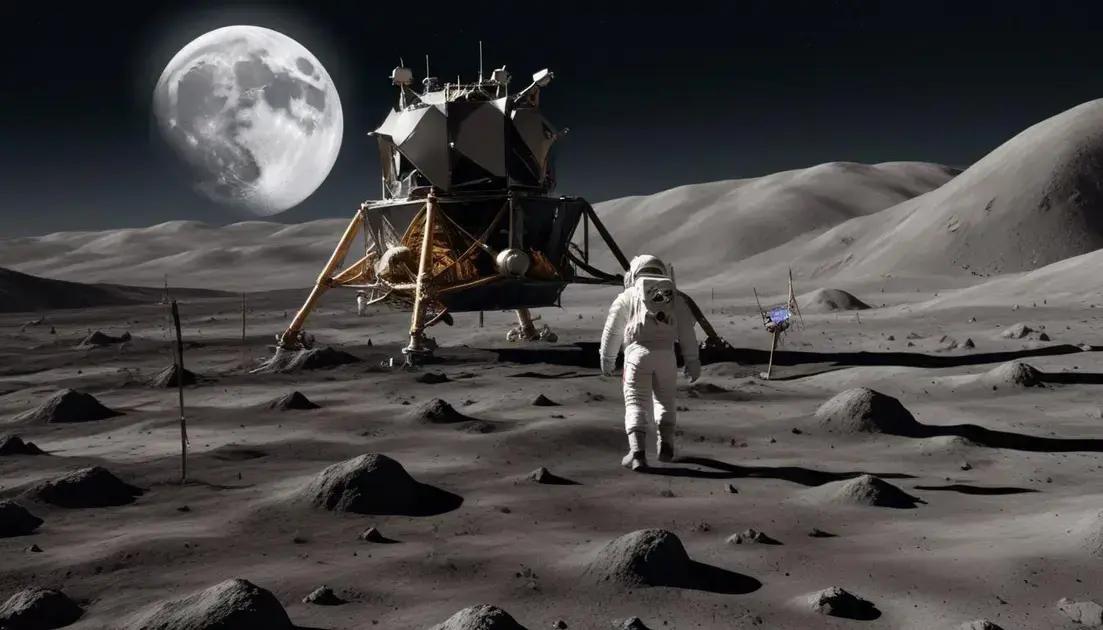
The future of space exploration is promising, featuring plans for Moon missions, human trips to Mars, and the use of private companies to innovate space travel. Advancements in technology aim to help us explore beyond our solar system and seek signs of life on distant planets. Missions like Artemis and collaborations with private enterprises are set to push the boundaries of our knowledge about the universe and improve our capabilities to explore the cosmos.
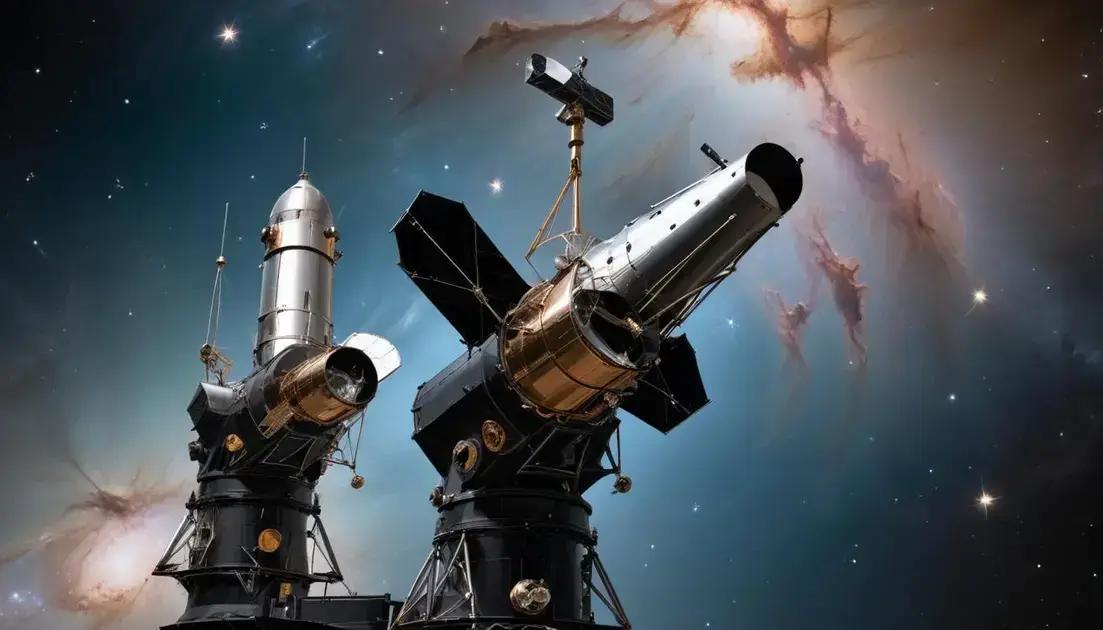
Space Exploration has fundamentally changed how we understand the universe. From Hubble’s groundbreaking images to Webb’s intricate observations, these tools invite us to gaze deeper into the cosmos. Curious about what they’ve shown us? Let’s dig in!
Introduction to significant telescopes
Throughout history, telescopes have changed how we see the universe. They help us look beyond our planet and discover new worlds. This journey started with simple lenses and grew into powerful machines.
The Early Days of Telescopes
The first telescope was invented in the early 1600s. With this invention, people could see distant stars and planets for the first time. Galileo Galilei was one of the first to use a telescope to study the night sky. His findings changed our view of the cosmos.
Hubble Space Telescope
The Hubble Space Telescope launched in 1990. It orbits the Earth, giving us clear images of space without the blurring effects of the atmosphere. Hubble has captured stunning photos of galaxies, nebulae, and even supernovae.
James Webb Space Telescope
The James Webb Space Telescope, launched in late 2021, is our next big step. This telescope is designed to look deeper into the universe and see objects that are too faint for Hubble. Webb will help us answer many puzzles about space.
Future of Telescopes
As technology grows, telescopes will become even more advanced. Future telescopes may help us find new planets or even life outside our solar system. The excitement of discovery keeps the spirit of exploration alive.
Overview of Hubble’s discoveries
The Hubble Space Telescope has made many exciting discoveries since its launch. It has given us stunning images of space. These pictures help us understand the universe better.
Galaxies Galore
Hubble has spotted thousands of galaxies. These galaxies come in different shapes and colors. Some are spiral, while others are elliptical. Each one teaches us something new about how galaxies form and evolve.
Stunning Nebulae
Hubble’s images of nebulae are simply beautiful. A nebula is a giant cloud of gas and dust. Hubble has captured spectacular photos of the Orion Nebula and the Crab Nebula. These images show us where stars are born.
Supernovae and Exoplanets
With Hubble, we’ve seen supernovae, which are massive explosions of dying stars. These events help scientists understand the lifecycle of stars. Hubble has also helped discover exoplanets, which are planets outside our solar system.
Measuring the Universe
One of Hubble’s key roles is measuring the expansion of the universe. It has provided data that helps scientists determine how fast the universe is growing. This information is crucial for understanding the cosmos.
Insights from the Webb telescope
The James Webb Space Telescope has opened new doors in our understanding of the universe. Its advanced technology allows it to see further and clearer than ever before.
Seeing Through Dust
One of Webb’s strengths is its ability to see through cosmic dust. This dust often hides stars and planets from view. By using infrared light, Webb reveals objects that other telescopes can’t see.
Studying Exoplanets
Webb can analyze the atmospheres of exoplanets. An exoplanet is a planet outside our solar system. By studying their atmospheres, scientists can search for signs of life.
Exploring Early Galaxies
Webb is also helping us learn about the first galaxies formed after the Big Bang. Its powerful sensors capture light that has traveled billions of years to reach us. This helps scientists understand how galaxies evolved over time.
More Detailed Images
The images from Webb are richer and more detailed than ever. These stunning visuals not only excite the public but also provide critical data for researchers. They create a deeper connection between humanity and the universe.
Impact on our understanding of the cosmos
The discoveries from telescopes have greatly impacted our understanding of the cosmos. Each telescope brings new insights into space and our place in it.
Revealing Hidden Galaxies
Telescopes help uncover galaxies that were once hidden from view. These discoveries expand our knowledge of how galaxies form and develop. Understanding these processes is vital to learning about the universe.
Understanding Stellar Life Cycles
Telescopes allow us to study how stars live and die. Observing different stages of a star’s life helps scientists understand cosmic events like supernovae. These explosions spread material across space, forming new stars and planets.
The Evolution of Our Universe
With powerful telescopes, we can peer into the universe’s past. This helps us learn about events like the Big Bang and the evolution of galaxies over billions of years. Such knowledge shapes our understanding of time and space.
Searching for Life Beyond Earth
Understanding exoplanets is another exciting area of research. Detecting planets in other systems raises questions about potential life beyond Earth. This adds a whole new layer to our cosmic exploration.
Future of space exploration
The future of space exploration is bright and filled with exciting possibilities. New technologies are changing how we explore the cosmos. We can expect many amazing discoveries ahead.
Moon Missions
Plans for returning to the Moon are underway. Missions like Artemis aim to send astronauts back by 2024. These missions will help us learn how to live and work on another world.
Sending Humans to Mars
One of the big goals is sending humans to Mars. Companies and space agencies are working hard to make this dream a reality. Missions will focus on exploring the planet’s surface and searching for signs of life.
Exploring Beyond Our Solar System
With advancements in technology, we can think about exploring beyond our solar system. New spacecraft designs could reach nearby stars in a few decades. This would let us search for new planets and possibly new life.
The Role of Private Companies
Private companies play a big role in the future of space exploration. They are building rockets and spacecraft to support missions. This partnership with government space agencies is pushing boundaries further than ever.
Conclusion
In conclusion, the future of space exploration is full of exciting opportunities and challenges. With new missions to the Moon and plans to reach Mars, humanity is set for incredible discoveries. These efforts will help us understand more about our universe and our place in it.
The role of private companies is also crucial. They are driving innovation and making space travel more accessible. Together, government space agencies and private companies are pushing the limits of what we can achieve in space.
As we look ahead, we can expect to learn more about other planets, search for life, and explore beyond our solar system. The journey into space is just beginning, and who knows what amazing things we will find? The adventure of exploring the cosmos awaits us all!
Tags: