Kevlar: the American fiber that saves lives
Kevlar is a strong synthetic fiber known for its widespread use in protective gear for military and law enforcement. Invented in the 1960s, Kevlar is five times stronger than steel, making it ideal for bulletproof vests, helmets, and other safety equipment. Its lightweight and durable nature also makes it suitable for civilian applications, such as bike helmets and bags. The future of Kevlar technology looks promising, with ongoing research aimed at enhancing its properties and developing smart textiles for various industries.
Kevlar is more than just a fiber; it’s a revolutionary material that has saved countless lives. Imagine a world where soldiers, police officers, and even civilians can find safety in a lightweight substance. Intrigued? Let’s dive deeper!
What is Kevlar?
Kevlar is a strong synthetic fiber known for its durability and heat resistance. It was invented in the 1960s by Stephanie Kwolek, a chemist at DuPont. This fiber is five times stronger than steel, making it ideal for protective gear.
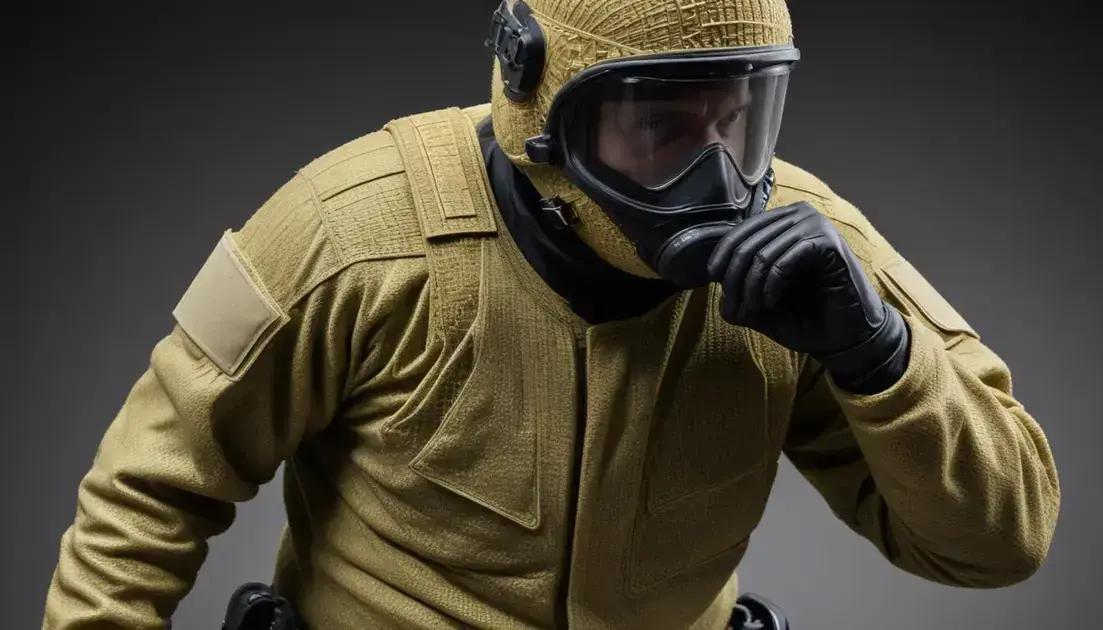
Used in bulletproof vests, Kevlar provides vital protection for soldiers and police officers. It can absorb energy from impacts, which helps save lives. Besides law enforcement, this amazing material is found in helmets, gloves, and even luggage.
Many different industries benefit from Kevlar. For example, it’s used in construction equipment and sports gear as well. It helps make products lighter and safer.
What sets Kevlar apart is its ability to combine strength with flexibility. This quality allows it to be woven into various shapes and forms. It is lightweight, making it easy to wear, but tough enough to withstand harsh conditions.
Overall, Kevlar is a game-changer in safety and protection. It helps ensure that those in high-risk jobs stay safe while they work.
History and development of Kevlar
The history of Kevlar starts in the early 1960s. A chemist named Stephanie Kwolek worked at DuPont. She was trying to create a lighter, stronger material for tires. Instead, she discovered Kevlar, a fiber that would change safety gear forever.
Initial tests showed Kevlar was five times stronger than steel. This caught the attention of many. Its lightweight nature made it perfect for protective equipment. In 1971, Kevlar was officially introduced to the market.
In the late 1970s, law enforcement agencies began using Kevlar in bulletproof vests. This marked a significant shift in safety standards. Officers could move freely while staying protected.
Since then, Kevlar has evolved. It is now used in various fields. From military gear to sports equipment, its applications are endless. Researchers continue to improve its features, making it even safer and more effective.
Today, Kevlar is a household name. It represents strength and protection in many industries. Its journey from a simple tire experiment to lifesaving gear is truly remarkable.
Applications of Kevlar in military and police
Kevlar plays a crucial role in military and police applications. Its strength and lightweight nature make it ideal for protective gear. Soldiers depend on Kevlar for body armor that can stop bullets.
In law enforcement, police officers use Kevlar in vests and helmets. These items help shield them from firearms and sharp objects. The protection allows officers to perform their duties with greater confidence.
Beyond vests, Kevlar is found in tactical gear. This includes gloves, belts, and shields. These items enhance safety during high-risk situations. They provide support while still being comfortable to wear.
Kevlar’s ability to absorb shock is another key feature. This helps reduce injuries from impacts. When an officer or soldier encounters danger, Kevlar can be lifesaving.
The material is also used in vehicles. Many military and police vehicles have Kevlar linings. This adds a layer of protection against attacks. The versatile nature of Kevlar continues to evolve, benefiting those who serve and protect.
Kevlar’s impact on civilian safety
Kevlar greatly impacts civilian safety in many ways. One of its main uses is in personal protective equipment. People wear Kevlar in vests that protect them from injuries in dangerous situations.
In addition, firefighters utilize Kevlar in their gear. This helps shield them from high temperatures and flames. With this protection, they can work more safely in emergency situations.
Moreover, Kevlar is found in bike helmets. These helmets help protect cyclists during accidents. The lightweight material provides strong protection without causing discomfort.
Kevlar’s use extends to everyday items too. Some backpacks and luggage are made with Kevlar fibers. This makes them durable and resistant to wear and tear.
Overall, Kevlar helps improve safety in everyday life. Its strength and versatility make it an essential material for many applications. As a result, it contributes to a safer environment for everyone.
Future of Kevlar technology
The future of Kevlar technology looks bright. Innovations are happening to make Kevlar even stronger and lighter. Researchers are working on new ways to enhance its properties for better performance.
One exciting area is how Kevlar can be blended with other materials. This could lead to gear that is both protective and comfortable. Imagine wearing body armor that feels like regular clothing!
Additionally, scientists are exploring smart textiles. These materials could react to environmental changes. For example, they might provide cooling in high heat or extra padding on impact.
In the automotive world, Kevlar is also making its mark. Future cars might use Kevlar composites for added strength and safety. This could create vehicles that are lighter yet more durable.
As we look ahead, the demand for Kevlar in various industries continues to grow. From law enforcement to sports, its applications are expanding. The future offers endless possibilities for this remarkable fiber, ensuring greater safety for everyone.
Conclusion
In conclusion, Kevlar has proven to be an essential material for safety in various fields. Its strong yet lightweight properties help protect lives, whether in military gear, police vests, or even everyday items.
The ongoing innovations in Kevlar technology are exciting. As researchers continue to improve its strength and versatility, we can expect even greater applications in the future. From smart textiles to automotive uses, Kevlar is set to evolve and enhance safety even further.
Understanding the role of Kevlar in our lives helps us appreciate its value. As it continues to grow and adapt, it will remain a vital part of protecting those who keep us safe and secure.