The reusable spacecraft that changed exploration
The economic implications of reusable technology in space exploration are profound. Reusable spacecraft significantly lower launch costs, encouraging more frequent missions and expanding access to space. This leads to increased investment in new technologies and supports startups, boosting job creation in the aerospace sector. Ultimately, as companies innovate and collaborate more effectively, the benefits of reusability can also lead to advancements that improve life on Earth, making space exploration more sustainable and impactful.
Have you ever wondered how space exploration transformed our approach to the cosmos? The invention of reusable spacecraft made routine missions to space a reality. Let’s dive into this revolutionary technology!
Understanding Reusable Spacecraft
Reusable spacecraft are game-changers in space exploration. They allow rockets to fly multiple times, reducing costs and making space travel more routine. Traditional rockets are used once and discarded, which is expensive and wasteful. But with reusable designs, parts of the spacecraft can be recovered and prepared for future flights.
This technology means that launching satellites, conducting research, and even going to Mars becomes more affordable. Companies like SpaceX have led the way, showing how effective these spacecraft can be. Their Falcon 9 rocket has flown many missions successfully, proving that reusability works.
How Reusable Spacecraft Work
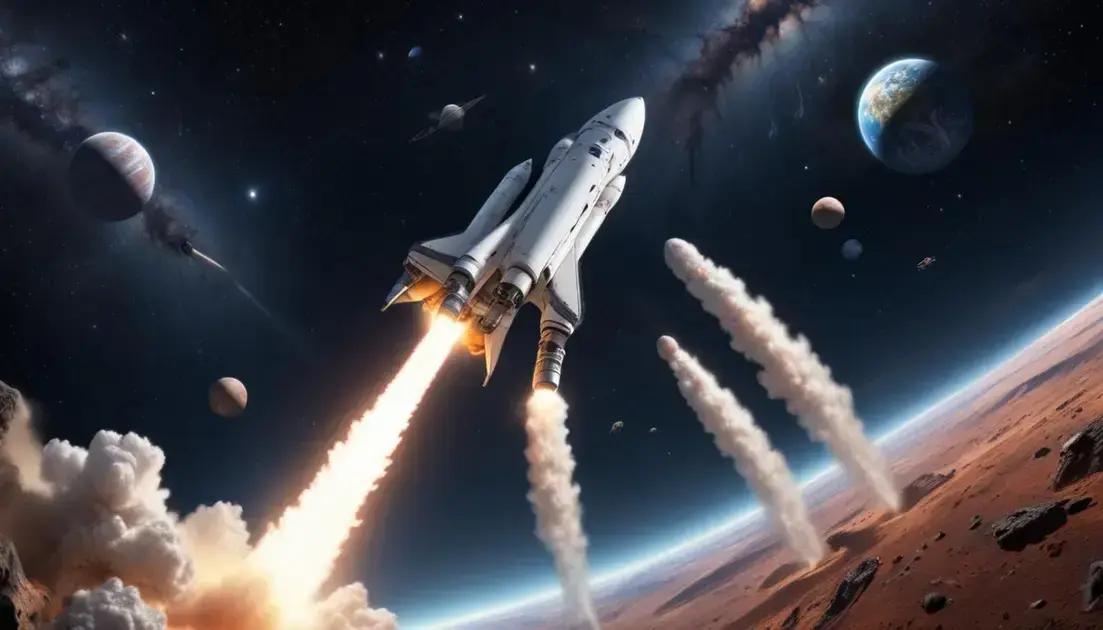
When a reusable rocket launches, it carries its payload into space. Then, as it returns, it uses engines to slow down and land safely back on Earth. This process requires advanced technology but opens up many opportunities for future missions.
Moreover, reusability cuts down on waste. Instead of creating new rockets for each mission, parts are refurbished and used again. This helps the environment and cuts costs significantly.
The Future of Space Travel
With reusable spacecraft, the future of space exploration looks promising. As more companies invest in this technology, we may see human missions to the Moon and even Mars become reality sooner than we think. The dream of traveling to space might just be a launch away!
The Impact on Space Exploration
The impact of reusable spacecraft on space exploration is huge. These ships allow us to send more missions into space without breaking the bank. Each launch is cheaper, making space more open for everyone. Imagine sending satellites, research equipment, or even people to other planets more often.
Reusable spacecraft have changed how we think about missions. Instead of needing new rockets for each trip, we can use the same parts repeatedly. This not only saves money but also saves time. Quick turnarounds mean we can plan and execute missions faster.
Increased Access to Space
With lower costs and quicker turnarounds, more companies are getting involved in space exploration. This means new ideas and technologies are emerging. Private companies can now compete with government space programs. With crowdsourced funding, smaller projects can get a boost too.
More access also means that we can gather more data from space. Scientists can run various experiments and satellite missions that were not possible before. This helps us learn more about our planet and the universe.
Partnerships Between Private and Government Sectors
Reusable spacecraft foster partnerships between private companies and governments. NASA and companies like SpaceX work together on exciting projects. These partnerships speed up innovation and share knowledge. Together, they can tackle challenges that single entities might find overwhelming.
Future of Reusable Technology
The future of reusable technology in space exploration looks bright. We’re seeing advancements that could change how we travel in space. New designs are being tested to improve efficiency and safety. Companies are constantly innovating and finding better ways to reuse spacecraft.
One key area is the development of improved landing systems. These systems help rockets land more smoothly and accurately. For example, technology like grid fins and landing legs are constantly being upgraded. This makes it easier to recover and reuse spacecraft after missions.
Emerging Technologies and Innovations
New materials are also on the horizon. Lightweight and durable materials can make spacecraft even more efficient. They help reduce weight, which can save fuel during launches and landings. This eco-friendly approach is essential for the future.
The rise of space tourism is another exciting trend. As reusable technology improves, more people might visit space for fun. Imagine flying to space for a weekend getaway! Companies are already planning these trips, making space travel more accessible than ever.
Global Collaboration and Opportunities
International partnerships will play a crucial role too. Countries around the world are joining forces to share knowledge and resources. This teamwork can help solve challenges more quickly and boost innovation.
Furthermore, the future holds the possibility of using reusable technology beyond Earth. Mars missions might evolve to include reusable systems for travel and exploration. This can promote sustainability on other planets as well.
Economic Implications of Reusability
The economic implications of reusability in space exploration are significant. Using the same spacecraft multiple times cuts costs. This makes it more affordable for companies to launch missions. Lower costs mean more funds for research and innovation.
Moreover, reusability helps stimulate the space economy. As companies save money, they can invest in new technologies. These advancements not only boost their businesses but also create jobs. More jobs in space tech mean more opportunities for engineers and scientists.
Cost Savings in Launches
Reusable spacecraft lead to major cost savings on launches. While building a rocket is expensive, reusing it can drastically lower expenses. This allows for more frequent launches, expanding access to space.
Imagine if satellite companies could launch their devices at a lower price. This encourages more businesses to enter the space field, sparking competition and innovation.
Impact on Space Startups
Space startups benefit greatly from reusability. They can launch their projects without needing huge budgets. Affordable access to space opens doors for these new companies. More startups lead to fresh ideas and creativity, pushing the industry forward.
A thriving space economy could also mean breakthroughs in technology that benefit us on Earth. Innovations in materials, energy, and even communication may arise from breakthroughs in space.
Conclusion
In conclusion, the rise of reusable technology in space exploration marks a new era for humanity. This innovation not only lowers costs but also opens up many opportunities. With more affordable access to space, we can expect increased collaboration between companies and governments.
Moreover, the economic benefits of reusability are clear. Startups can launch projects without breaking the bank, leading to fresh ideas and innovations. Everyone stands to gain from these advancements, as they can lead to breakthroughs that improve life on Earth too.
As we look to the stars, embracing reusable spacecraft will help us explore further and achieve more. The future of space travel is bright, and reusability is a key part of that journey.
Tags: