The Homemade Invention That Made Flight Possible
The evolution of aviation showcases incredible advancements from early wooden tools to modern aircraft. Innovations like electric planes and autonomous technology promise to enhance safety, efficiency, and environmental sustainability in flying. Lessons from early inventors emphasize persistence, collaboration, and adaptability, driving the future of aviation towards exciting possibilities for travelers worldwide.
Have you ever wondered how a simple invention could change the course of history? The aviation industry was forever altered by one remarkable homemade tool. Let’s dive into its fascinating story!
The Early Concepts of Flight
Before airplanes, people dreamt of flying. The early concepts of flight were all about imagination and inspiration. Many inventors tried different methods, like using wings made from feathers. They believed that if birds could fly, then humans could too!
Ancient Ideas of Flight
In ancient times, thinkers like Leonardo da Vinci sketched designs of flying machines. He imagined gliders and flying boats. His ideas showed a deep understanding of wings and lift. However, nobody could actually build them yet.
Inspiration from Nature
Nature has always inspired inventors. Birds, insects, and even bats offered clues. Observing how these creatures moved through the air helped shape ideas. People experimented with different shapes and materials. They even used kites to study how wind affects flight.
First Flights with Simple Machines
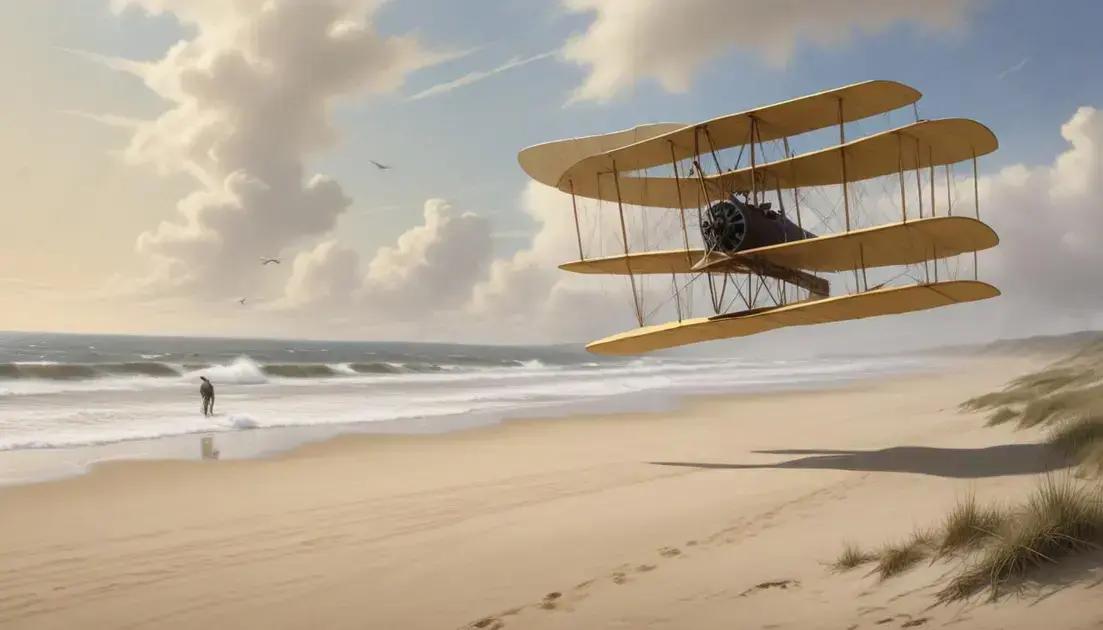
Eventually, some inventors created simple machines. These were the first gliders. They used light materials like wood and cloth. In 1891, Otto Lilienthal made the first controlled flights. He showed that humans could fly with the right tools!
These early concepts paved the way for future aircraft. They taught us about stability and control in the air. The journey of flight began with curiosity and creativity. Today, we fly high thanks to those brave dreamers.
How the Invention Transformed Aviation
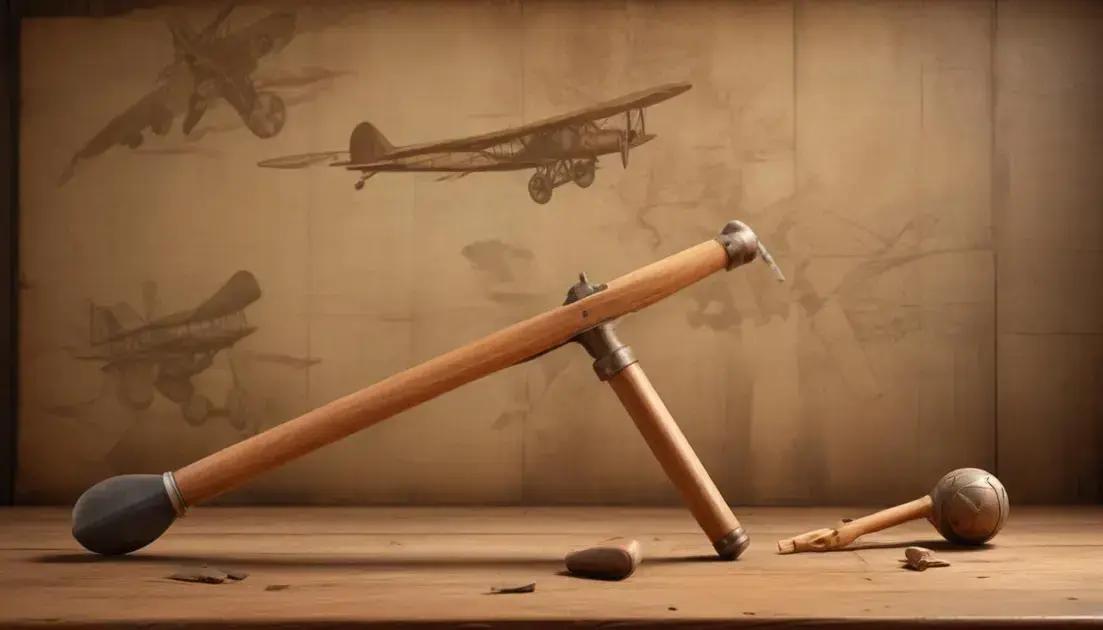
The invention of the homemade wooden tool changed aviation forever. With this new design, flying became easier and safer. It all started with simple ideas and fierce determination. Many inventors worked on improving their machines.
Reducing Weight for Better Flight
One big change was using lightweight materials. By reducing weight, planes could fly higher and faster. This led to better performance in the air. Early aircraft designers learned to balance strength and weight.
Improved Control and Stability
With the new tool, control became more manageable. Pilots could steer better and land safely. This was crucial for long-distance flights. As pilots gained confidence, more people wanted to fly.
Increased Public Interest in Aviation
The success of early flights sparked public interest. People were amazed by the idea of flying. As inventions improved, aviation became a popular choice for travel. This opened new opportunities in business and tourism.
Legacy of Innovation
The inventions didn’t stop there. They inspired others to dream big. Today, the aviation industry keeps evolving. From personal drones to large commercial jets, innovation drives it all.
Overall, the transformation of aviation was exciting. It changed how we connect with the world. This journey began with a simple, homemade tool, showing that creativity knows no bounds.
The Impact on Modern Aircraft
The development of aircraft has changed our world. Today’s planes don’t resemble the early flying machines at all. Modern aircraft are faster, safer, and more efficient. Innovations continue to shape how we travel.
Advanced Technology in Aircraft Design
Modern aircraft use advanced materials and technology. Lightweight composites make planes stronger and lighter. This helps improve fuel efficiency, allowing flights to go farther without using more fuel.
Enhanced Safety Features
Safety is a top priority for today’s aircraft. New systems alert pilots to potential problems. Features like collision avoidance systems help ensure safe flying. These improvements give passengers peace of mind while traveling.
Fuel Efficiency and Environmental Impact
Airlines focus on reducing their carbon footprint. New engines are designed to burn less fuel. This helps lower emissions and is better for the environment. It’s important for a sustainable future in aviation.
Passenger Experience Innovations
Modern aircraft also enhance passenger experience. From comfortable seating to in-flight entertainment, many options exist. Airlines use technology to make flying more enjoyable. Wi-Fi and charging ports are commonly available now.
These advances show how far aviation has come. Each innovation carries the legacy of the early inventors. Their dreams made flying accessible to everyone, and innovation keeps pushing us forward.
Lessons Learned from Early Inventors
Early inventors taught us valuable lessons about flight. Their hard work, passion, and creativity paved the way for modern aviation. They faced challenges but didn’t give up easily.
Trial and Error
Inventors learned from their mistakes. They built and tested many designs, seeing what worked best. Each failure brought new insights. This process showed that persistence leads to success.
Importance of Collaboration
Many inventors shared ideas and learned from others. Teamwork was crucial in aviation’s early days. Friends and family often helped in testing and building. Collaboration made their work stronger and more innovative.
Adapting to Change
Inventors were flexible. They listened to feedback and adapted their designs. This ability to change allowed them to improve quickly. It’s a great reminder that staying open-minded can lead to better results.
Innovation Sparked by Passion
Their passion drove them to dream big. They believed in flying and worked hard to make it happen. This spark of creativity is essential for any inventor striving to change the world.
By studying these lessons, we honor early pioneers. Their courage and determination inspire today’s inventors to keep pushing boundaries.
Future Innovations in Aviation
The future of aviation is bright and full of exciting possibilities. New technologies are emerging every day. Innovators are working hard to make flight safer and more efficient.
Electric and Hybrid Aircraft
One major trend is the development of electric and hybrid planes. These aircraft use clean energy, reducing fuel costs and emissions. They could make flying greener and more sustainable.
Advanced Materials and 3D Printing
Another innovation is the use of advanced materials. Lightweight composites can make planes more efficient. Plus, 3D printing allows quick production of parts. This can speed up repairs and reduce waste.
Autonomous Flight Technology
Imagine planes flying themselves! Autonomous technology is becoming a reality. This could improve safety and lower pilot workload. Passengers might enjoy smoother flights with fewer delays.
Air Traffic Management Innovations
Innovations in air traffic management are also vital. Better systems can help prevent congestion and improve efficiency. By optimizing routes, flights can save time and fuel.
Overall, the future of aviation looks promising. Each breakthrough builds on the dreams of early inventors. Soon, flying could be even more accessible and enjoyable for everyone.
Conclusion
In conclusion, the journey of aviation has been shaped by the dreams and efforts of early inventors. From simple wooden tools to modern aircraft, innovation has transformed how we fly. Today, we stand on the brink of exciting advancements. Electric planes, autonomous technology, and smart materials are just the beginning.
Future innovations promise to make flying safer, greener, and more accessible for everyone. As we look ahead, it’s clear that the spirit of creativity and collaboration will continue to propel aviation forward. Embracing these changes will lead us to a future where the skies are open to all who dare to dream.