Samurai: the warrior code that defined Japan
The samurai were elite warriors in Japan, known for their code of honor and discipline, which continues to influence modern culture. Their values, like loyalty and respect, are reflected in martial arts, literature, and business practices today. The samurai code, particularly through its evolution into Bushido, emphasizes character traits that inspire personal and professional conduct.
Samurai exemplified honor and loyalty in Japan, shaping a unique culture. Curious about the principles that guided these elite warriors? Let’s explore!
The Origins of Samurai Culture
The origins of Samurai culture date back to Japan’s feudal period. Initially, samurai were warriors serving powerful landowners. They protected lands and ensured order. Over time, these fighters became more than just soldiers; they embraced a unique way of life.
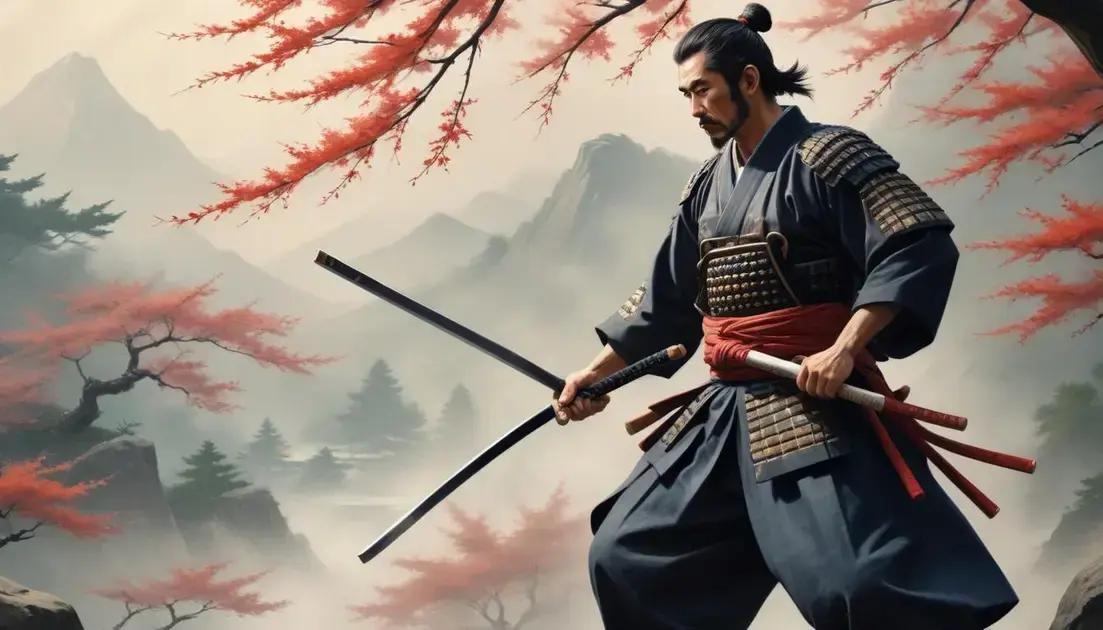
Being a samurai meant following a strict code of conduct. This code emphasized loyalty, honor, and discipline. Samurai were known for their exceptional skills with the sword and their dedication to their lords.
As time went on, samurai became symbols of Japanese culture. They influenced art, literature, and philosophy. Their values still resonate today, reminding us of the importance of respect and honor.
Many practices, like martial arts and traditional tea ceremonies, have roots in samurai culture. These traditions reflect their deep connection to nature and spirituality.
Understanding the origins of samurai culture helps us appreciate their significant role in shaping Japan’s history. Their impact is seen even in modern Japan, where elements of their ethos can be observed in various aspects of daily life.
Key Principles: Honor and Discipline
The key principles of honor and discipline were essential to the samurai way of life. Honor meant everything to samurai. It guided their actions and decisions. A samurai’s word was their bond. Breaking that bond could cost them their reputation and life.
Discipline was equally important. Samurai trained hard every day. They practiced martial arts and swordsmanship tirelessly. This training helped them master their skills and become formidable warriors.
Both honor and discipline shaped their behavior. A samurai acted with respect towards others and themselves. They believed in protecting the weak and standing up for justice.
This strong sense of honor and discipline is not just history. Many people admire these principles today. They remind us to be dedicated and trustworthy in our lives.
By embracing these values, we can learn important lessons on commitment and respect. The samurai spirit is still alive in many cultures, inspiring people around the world.
The Evolution of the Samurai Code
The evolution of the Samurai code reflects Japan’s changing society. Initially, the code focused on loyalty to one’s lord. Samurai were warriors bound to serve, protecting their masters and their lands. This loyalty was everything in their world.
As time went on, the code began to include personal honor and discipline. Samurai started to embrace values beyond just duty. They practiced self-discipline and mental strength as part of their way of life.
The rise of Zen Buddhism also influenced samurai. It taught them the importance of mindfulness and calm. These principles helped samurai find balance between action and thought.
In the 17th century, the Samurai code evolved more into *Bushido*, which means “the way of the warrior.” This code stressed honor, courage, and respect. It became a moral guide for samurai, shaping how they lived and fought.
Today, the legacy of the Samurai code still inspires people. Many admire its focus on honor and discipline. The principles of Bushido remind us to strive for integrity in our own lives.
The Lasting Legacy of Samurai Influence
The lasting legacy of samurai influence is seen all around us today. Their core values, like honor and loyalty, resonate in modern culture. Many admire these principles and strive to incorporate them into their own lives.
In Japan, samurai traditions are celebrated in festivals and martial arts. Practices like kendo and iaido reflect the skills and discipline of the samurai. These martial arts help keep their spirit alive for future generations.
Samurai influence can also be spotted in literature and film. Stories about samurai often highlight their bravery and moral dilemmas. Movies and books draw inspiration from their lives, captivating audiences worldwide.
Artistry, too, carries the samurai spirit. Traditional crafts like sword-making and calligraphy showcase the dedication and craftsmanship they valued. Modern artists often pay homage to this heritage through their work.
Moreover, business and leadership models echo samurai ethics. Concepts like respect, teamwork, and strong leadership can be traced back to samurai principles. Many companies today teach these values to create better work environments.
Conclusion
In conclusion, the legacy of the samurai continues to shape our world in many ways. Their values of honor, discipline, and loyalty remain relevant today. From martial arts to leadership, the influence of samurai culture can be seen across various fields.
As we explore their rich history, we find inspiration in their dedication and craftsmanship. Whether in art, literature, or modern business practices, we can all learn from the samurai’s commitment to excellence.
By embracing these timeless principles, we can cultivate a sense of respect and integrity in our own lives. The spirit of the samurai encourages us to strive for personal growth and to honor our commitments. Ultimately, their legacy reminds us to lead with courage and conviction in everything we do.
Tags: