The Roman Republic: the birth of democracy and conquest
The Roman Republic showcased key democratic features that influenced modern governance. Its system emphasized citizen participation, the separation of powers, and the importance of checks and balances. These principles ensure accountability and fairness in governance. The legal transparency established in Rome set a precedent for contemporary law systems, making it crucial for citizens to understand their rights. Overall, the lessons drawn from the Roman Republic remain vital for fostering engaged and informed societies today.
Welcome to the fascinating world of the Roman Republic! Here, we will dive deep into its role in shaping democracy and the striking conquests that changed history. Ready to explore?
Overview of the Roman Republic
The Roman Republic was a remarkable time in history. It began around 509 B.C. when the Romans overthrew their last king. This period marked the start of a system where the people, not just a king, had a voice. Senators, chosen by citizens, managed the government. These leaders made decisions about laws and policies.
The Republic was known for its unique structure. It had two main parts: the Senate and the Assemblies. The Senate was made up of wealthy citizens. They advised the elected leaders and controlled finances. The Assemblies were groups of citizens who voted on laws and elected leaders.
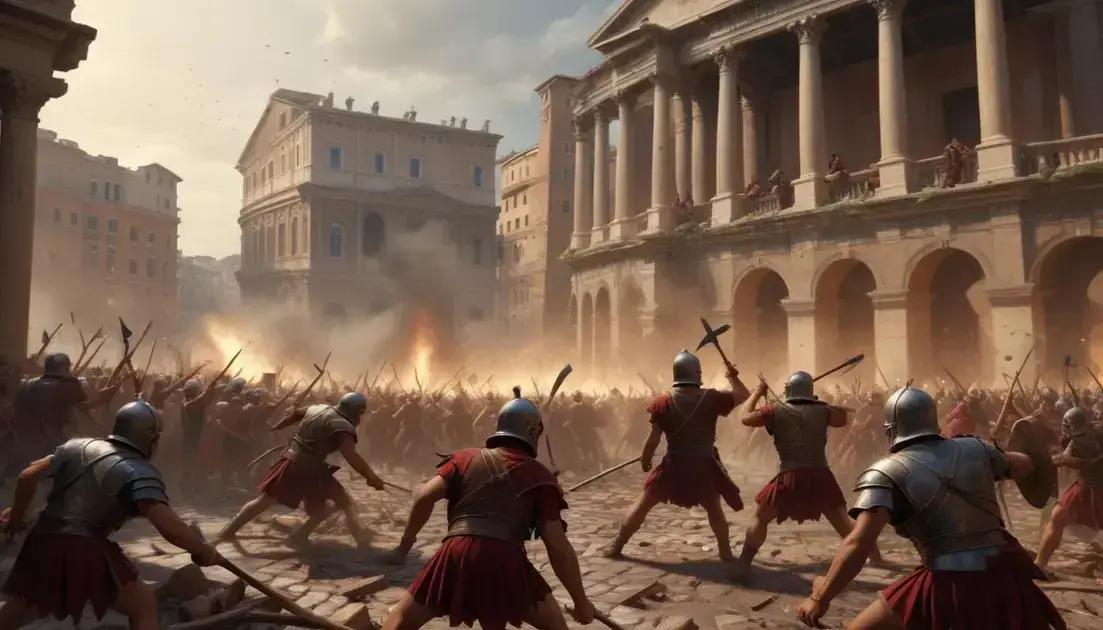
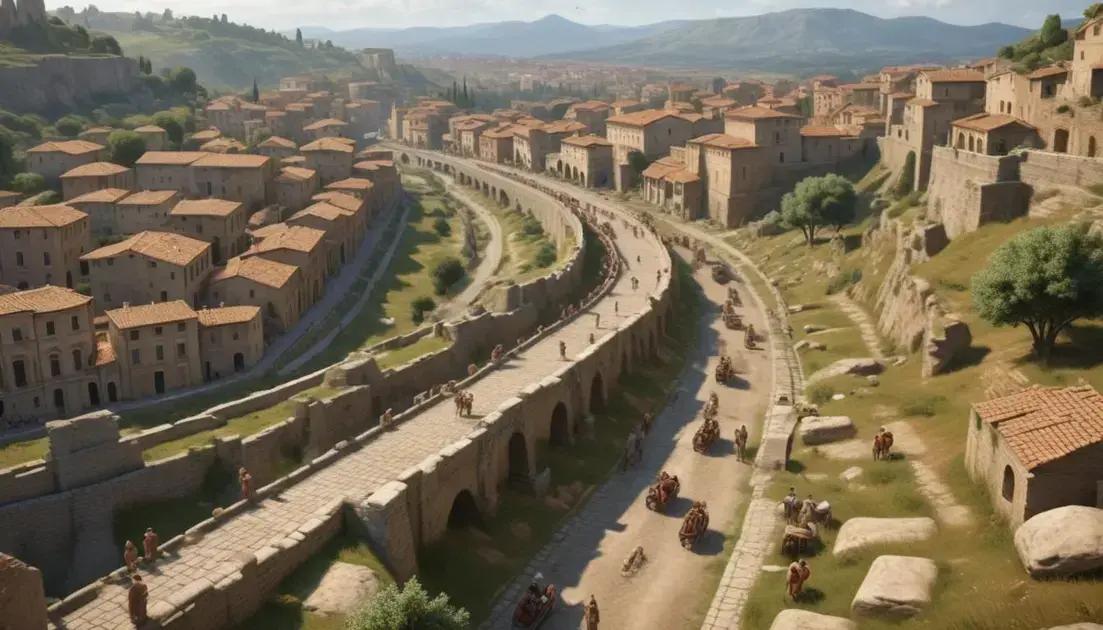
During the Republic, Rome grew from a small city to a powerful empire. Military expansion was a big part of this growth. Romans fought many wars, winning territories across Europe, North Africa, and parts of Asia. This expansion brought wealth and resources to Rome.
Being in the Republic meant that some citizens had rights. However, not everyone was treated equally. Only free men could participate in government. Women and slaves had very little power. This system, while innovative, had its flaws facing many challenges.
The Roman Republic laid the groundwork for modern democracies. Its ideas about citizenship and governance still impact us today. Exploring its history gives us insights into how societies can evolve over time.
Key features of democracy in Rome
Democracy in ancient Rome had some unique features that set it apart. First, the Roman Republic allowed citizens to vote for their leaders. This was a big deal back then. People could choose senators and other officials to represent them.
Another key aspect was the separation of powers. One group, the Senate, handled important decisions and policies. They guided the government and controlled finances. Meanwhile, the Assemblies allowed citizens to vote on laws and other important issues.
There were also checks and balances. This meant that no single person or group could hold all the power. For example, consuls were elected leaders, but they only served for one year. This helped prevent any one individual from becoming too powerful.
Citizen participation was vital. While only free men could vote, the idea of being involved in government was significant. Citizens had the right to express their opinions and engage in discussions. This was a good practice, encouraging public debate and active citizenship.
Moreover, the Roman legal system supported democracy. Laws were written down, so everyone knew their rights and duties. This transparency helped citizens hold their leaders accountable.
Overall, these key features of democracy in Rome paved the way for various modern democracies. While not perfect, they showed a new way of governing that emphasized citizen involvement and shared power.
Military conquests and their implications
The military conquests of Rome changed everything. They helped turn the Roman Republic into a powerful empire. These conquests brought new lands and riches to Rome. With these gains, Rome grew in size and resources.
One key battle was the Punic Wars against Carthage. These wars lasted for many years. Rome’s victory gave them control over the western Mediterranean. This opened new trade routes and boosted Rome’s economy.
Conquests also meant that Rome gained many new cultures. As Romans conquered new territories, they encountered different peoples and traditions. This cultural exchange made Rome more diverse and helped shape Roman identity.
However, these military actions had consequences. They led to problems back home. Many soldiers returned from war and had nowhere to go. This caused unrest among the people and social challenges. Workers faced competition from slaves brought back from conquered lands. They felt threatened and struggled to find jobs.
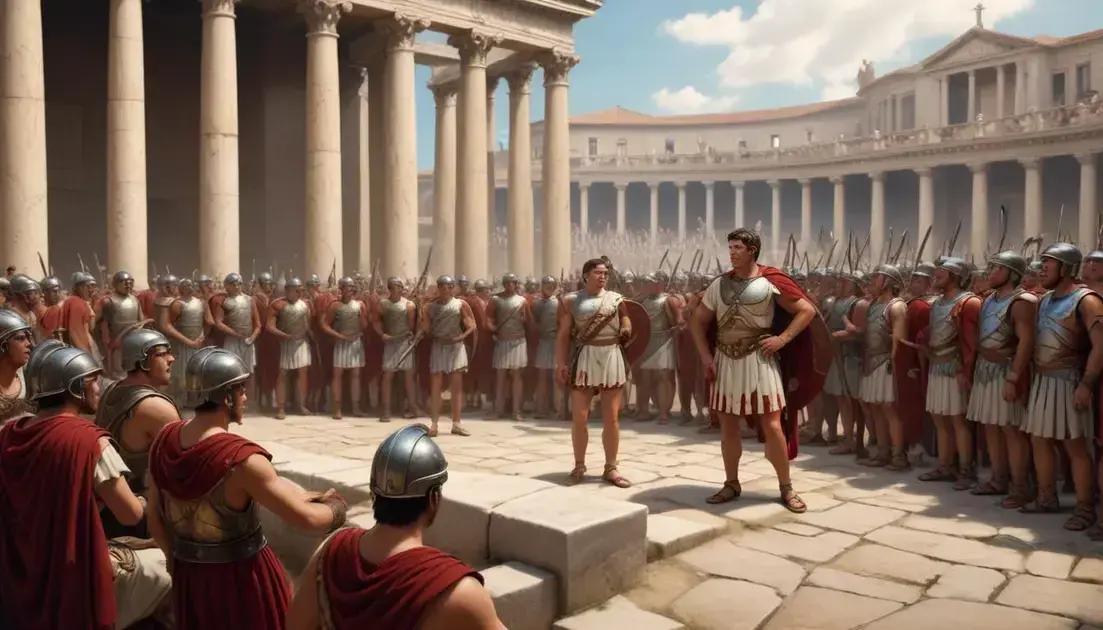
Additionally, expanded land meant more power for military leaders. Some generals gained loyalty from their troops. This loyalty sometimes led to conflicts in Rome, as generals used their armies for political purposes. Power struggles often followed military success.
In summary, while military conquests strengthened Rome’s position in the world, they also created challenges at home. The implications of these actions were far-reaching, impacting Rome’s society and politics for generations.
Influence of Roman governance on modern democracies
The Roman Republic has significantly shaped modern democracies in many ways. Its ideas about governance still resonate today. One key feature is the concept of elected representatives. Romans voted for leaders, like senators, who made important decisions for the people.
Another influence is the principle of separation of powers. In Rome, different branches managed various aspects of government. Modern democracies continue to use this idea, ensuring that no single branch has too much power.
Additionally, the notion of checks and balances comes from Roman governance. This means that each branch has the ability to limit the powers of others. For instance, if one branch takes excessive action, others can intervene. This keeps the government fair and accountable.
Rome’s legal system also laid the groundwork for future laws. Their laws were written down and publicly available. This helped people understand their rights and duties, much like today’s legal systems.
Moreover, the Roman emphasis on citizen participation remains vital in modern democracies. Engaging citizens in discussions and voting is essential. The right to express opinions shapes how governments operate today.
In summary, many ideas from Roman governance greatly influence modern democratic systems. By studying Rome, we can learn important lessons about leadership, rights, and the responsibilities of citizenship.
Conclusion: Lessons from the Roman Republic
The Roman Republic offers many valuable lessons for us today. One major lesson is the importance of citizen involvement. Romans had a say in their government. They could vote and influence decisions. This highlights how active participation is key to a thriving democracy.
Another lesson is the need for checks and balances. In Rome, powers were separated to prevent any one group from becoming too strong. This idea is still crucial today. It keeps power in check and helps ensure fairness.
We can also learn about adapting to change. The Roman Republic faced many challenges, yet it evolved over time. This shows how flexible governance can help societies thrive despite obstacles.
Furthermore, the legal system of Rome set a foundation for modern laws. Written laws helped citizens understand their rights. This transparency fosters trust and accountability within a community.
Overall, the Roman Republic teaches us about the value of democracy. Its emphasis on participation, balance of power, and clear laws remains relevant. Studying its history helps us build better societies for the future.
Conclusion
In conclusion, the Roman Republic provides rich insights into how democracies can function. Its system showed us the value of citizen participation and the need for checks and balances. These concepts help ensure fairness and accountability.
The lessons learned from Rome remind us to stay engaged in our communities. Actively participating in government helps shape our future. Furthermore, having clear laws is vital for understanding rights and responsibilities.
As we look back at the Roman Republic, we can appreciate the importance of these elements in building strong societies. By applying these lessons today, we can work towards better governance and a brighter future for all.