The Roman Empire: its rise, glory, and collapse
The Roman Empire, a significant historical power, is known for its remarkable rise, cultural achievements, and eventual decline. Key factors contributing to its collapse included economic troubles, political corruption, military challenges, and social changes. Its legacy remains influential in areas like law, architecture, and language, showcasing how ancient Rome continues to shape modern society.
The Roman Empire stands as one of history’s greatest powers, captivating our imagination with its epic tales of triumph and tragedy…
The Rise of the Roman Empire
The Rise of the Roman Empire is a fascinating tale filled with heroes, battles, and ambition. It all began in 753 BC, when Rome was founded by Romulus and Remus. From its humble beginnings, Rome grew to dominate much of Europe and the Mediterranean.
Key Factors in Rome’s Expansion
Several factors contributed to Rome’s expansion. First, its location on the Italian Peninsula gave it easy access to trade routes. This created economic opportunities that fueled growth. Rome also had a strong military, which helped it conquer neighboring territories.
The Role of the Republic
Before becoming an empire, Rome was a republic. This system allowed citizens to vote and elect leaders. The republic’s political structure supported expansion. It included powerful leaders and strong armies that could be dispatched to secure new lands.
Influence of Culture and Governance
As the empire expanded, Rome spread its culture. This included its language, laws, and religious practices. People in conquered areas often adopted Roman customs. This helped maintain control over vast territories and encouraged loyalty to Rome.
Notable Conquests
Some conquering events were especially crucial. For example, the Punic Wars against Carthage from 264 to 146 BC were key victories for Rome. Winning these wars secured Rome’s dominance in the western Mediterranean.
Legacy of the Roman Rise
The rise of the Roman Empire shaped the world. Its laws and innovations in governance laid the groundwork for many modern societies. Even today, we feel its influence in politics, language, and architecture.
Golden Age: Achievements and Culture
The Golden Age of the Roman Empire was a time of great achievements. This period lasted from 27 BC to 180 AD. It was marked by peace and prosperity known as the Pax Romana.
Cultural Achievements
During this time, art and literature flourished. Famous writers like Virgil and Ovid created works that are still read today. Architecture also advanced, with stunning structures like the Pantheon and aqueducts showcasing Roman engineering skills.
Innovations in Governance
The Roman legal system developed significantly during the Golden Age. New laws helped maintain order and protect citizens’ rights. The Twelve Tables established important legal principles that influenced future legal systems.
Advancements in Technology
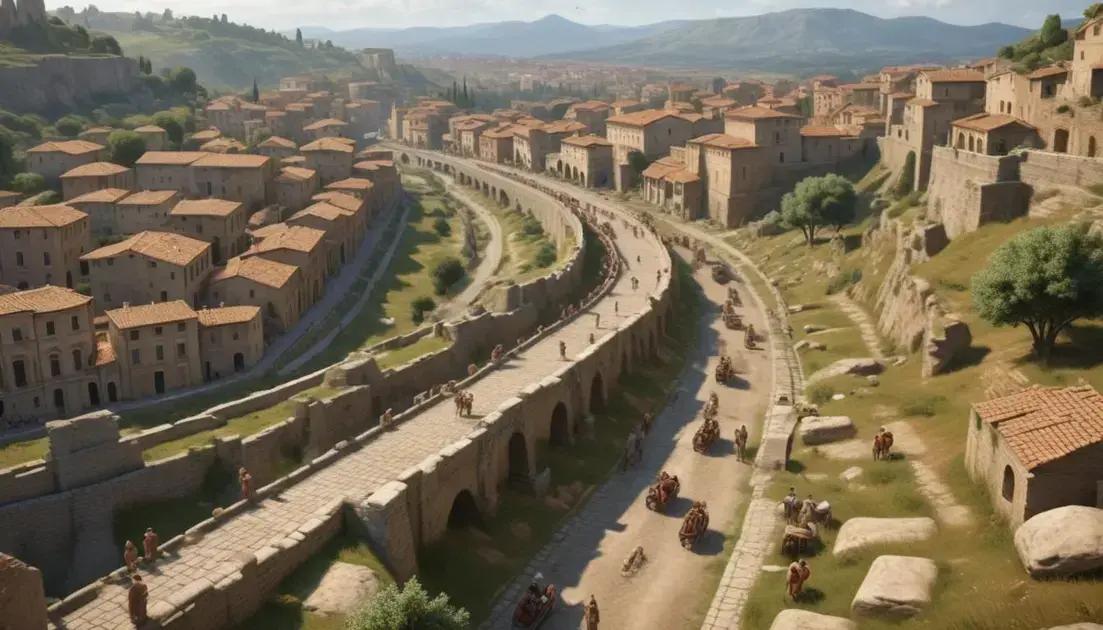
Romans made significant strides in technology too. They improved construction techniques and created durable roads. These roads helped connect the vast empire, enabling trade and travel.
Religion and Philosophy
Religion played a vital role in Roman society. The Golden Age saw the rise of various religious beliefs, including the early spread of Christianity. Philosophy flourished as well, with thinkers like Seneca shaping ideas about ethics and governance.
Influence on Modern Culture
The achievements of the Golden Age left a lasting legacy. Many of these cultural contributions continue to influence Western civilization. From literature to legal concepts, the impact of this era is felt even today.
Factors Leading to the Collapse
Several factors led to the collapse of the Roman Empire. These were complex issues that built up over time. Economic troubles were one of the main problems. Heavy taxes and reliance on slave labor created deep financial strain.
Political Corruption
Political corruption also played a key role. Many leaders put personal gain above the needs of citizens. This caused instability and weakened the government’s ability to function properly.
Military Challenges
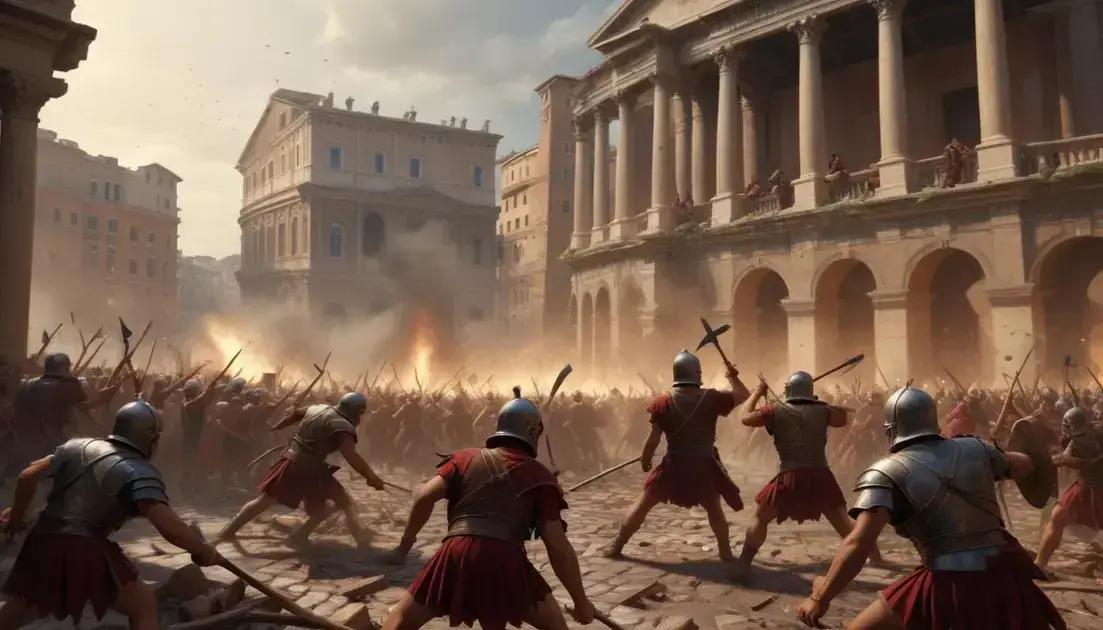
The military faced serious challenges too. As the empire expanded, it became harder to manage. There were constant threats from invading tribes and rival factions. The Roman army struggled to protect its borders effectively.
Social Changes
Social changes affected loyalty among the people. As the empire grew, roman culture spread thin. Many citizens felt disconnected from their government and lost their sense of belonging.
Barbarian Invasions
Barbarian invasions greatly impacted Rome’s stability. Groups like the Visigoths and Vandals attacked Roman territories. These invasions were common and contributed to the empire’s downfall.
Decline of Civic Pride
Finally, a decline in civic pride weakened Rome. People became less willing to stand up for their society. This loss of spirit led to further deterioration of order and community.
Cultural Legacy and Influence
The Cultural Legacy and Influence of the Roman Empire is immense. Even today, we feel its impact in many areas. Roman culture shaped modern laws, architecture, and languages.
Legal Impact
Roman law laid the foundation for many legal systems worldwide. Concepts like justice and property rights come from Roman traditions. The idea of innocent until proven guilty is still very relevant today.
Architecture and Engineering
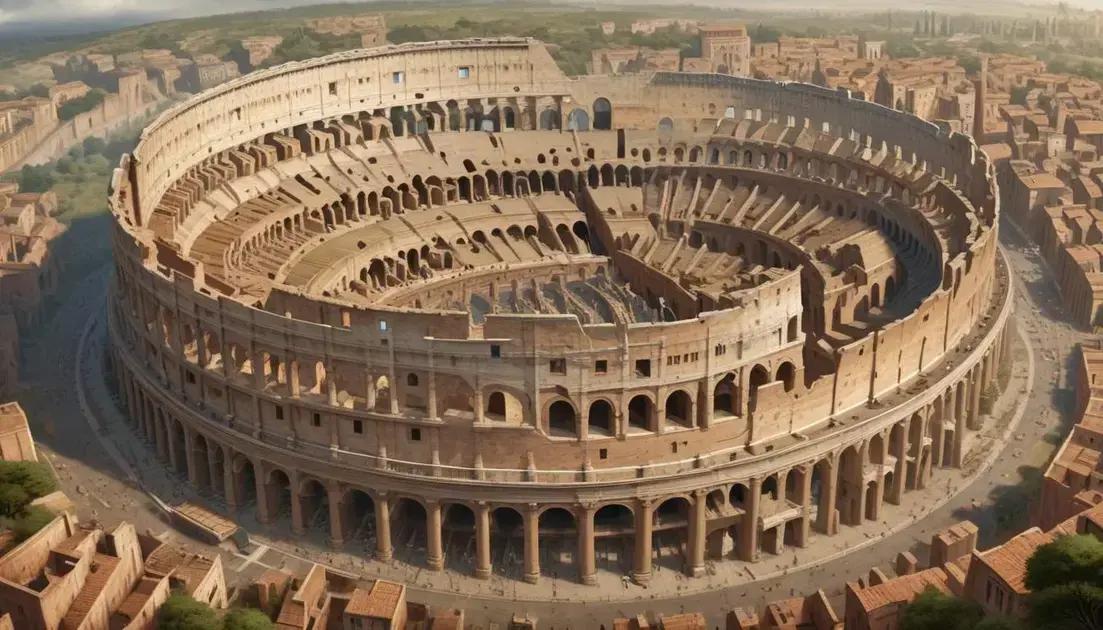
The Roman Empire excelled in architecture and engineering. Structures like the Colosseum and aqueducts are marvels of their time. These innovations showed how advanced Roman engineering was and inspired future builders.
Language and Literature
Latin, the language of Rome, influenced many modern languages. It’s the root of languages such as Spanish, French, and Italian. Roman literature also remains vital, with works from authors like Cicero and Virgil still studied.
Art and Sculpture
Roman art and sculptures left lasting impressions. They emphasized realism and human experience. Busts and statues captured the likeness of prominent figures, influencing artists throughout history.
Religious Influence
The spread of Christianity during the Roman Empire changed religion forever. Its adoption as the state religion shaped European culture and politics for centuries. Many traditions we follow come from that time.
Conclusion
In conclusion, the history of the Roman Empire is a rich story of rise, glory, and eventual decline. Its impact on modern society is still felt today. The cultural, legal, and architectural influences remain vital parts of our lives.
The lessons from Rome remind us about the importance of stability, civic pride, and innovation. Understanding these factors can help us avoid repeating past mistakes. As we reflect on the achievements and failures of the Roman Empire, we gain insights into our own societies and the values we should uphold.