Feudalism: the structure that ruled medieval Europe
Feudalism was a social and economic system in medieval Europe characterized by a hierarchy involving lords, vassals, and peasants. Lords owned land and provided protection, while vassals served them in exchange for land and loyalty. Peasants worked the land, mainly as serfs tied to it, and produced food for the community. This system created clear social roles and reliance on agriculture, shaping social structures that continued to influence Europe. The legacy of feudalism is still evident in modern social and economic practices.
Have you ever wondered how Feudalism shaped medieval societies? This intricate system created a web of relationships and obligations that defined daily life.
Overview of Feudalism
Feudalism was the main system of power in medieval Europe. It created a connection between lords, vassals, and peasants. Each had their own role, and they depended on one another. Lords owned large areas of land and offered protection. In return, vassals swore loyalty to them and provided services such as military support.
Lords and Their Roles
Lords were powerful figures who ruled over the land. They had the right to make laws and collect taxes. They also managed their estates and had the responsibility to keep their people safe. This meant providing soldiers when needed.
Vassals: The Loyal Warriors
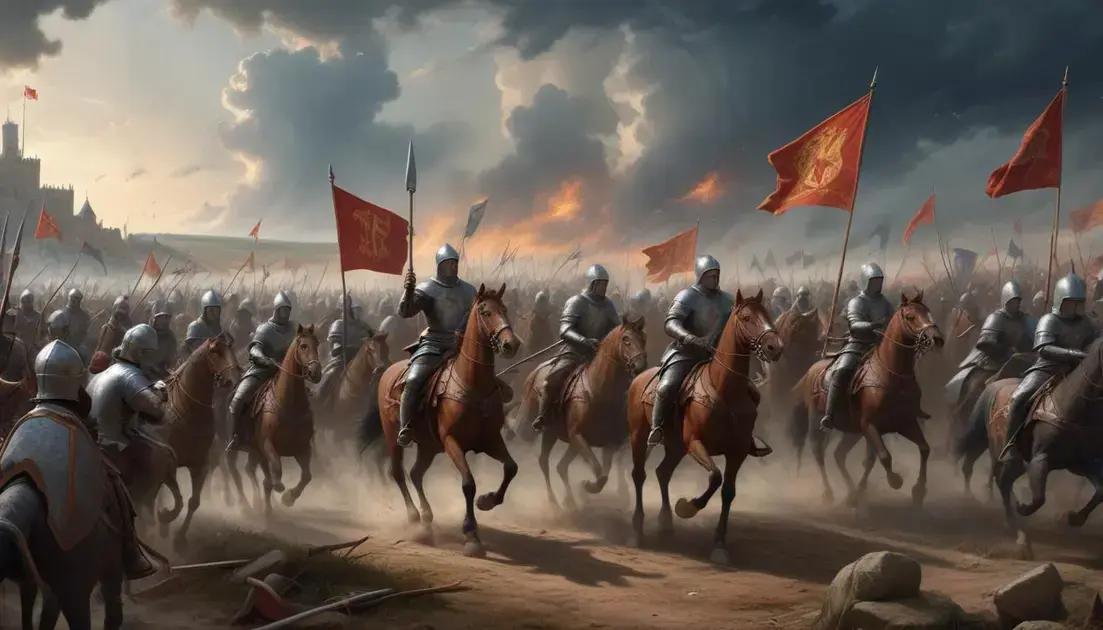
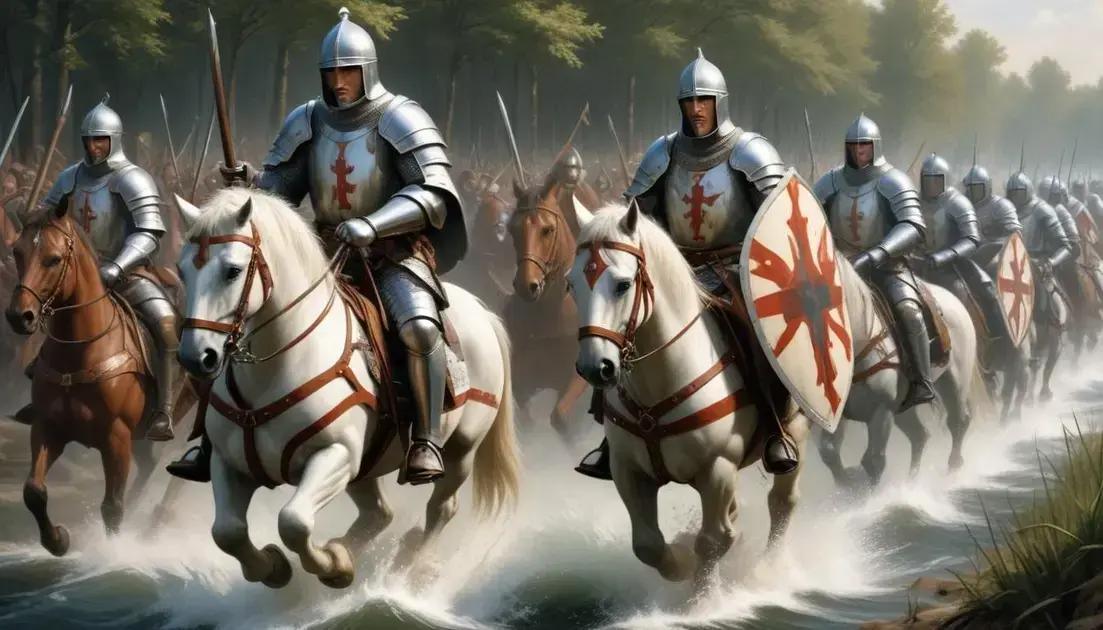
Vassals were typically knights or lesser nobles who pledged loyalty to lords. They received land in exchange for military service. This bond created a strong sense of duty. If a lord was attacked, vassals were expected to defend him. In time, these relationships formed the backbone of feudal society.
Peasants: The Backbone of the Economy
Peasants worked the land in return for protection and a place to live. Most were serfs, meaning they couldn’t leave the lord’s land without permission. They farmed, raised animals, and produced goods for the local economy. In this way, peasants supported both their lords and themselves.
Overall, feudalism was a complex system. It kept society stable during chaotic times. Each group played a crucial role, making it an essential part of medieval life.
Roles of Lords, Vassals, and Peasants
The feudal system relied on the clear roles of lords, vassals, and peasants. Each group had specific duties that defined their place in society.
Lords were the landowners and highest-ranking members in the feudal hierarchy. They controlled large estates and had the power to make important decisions. Lords provided protection and support to those below them.
Vassals were loyal warriors who pledged to serve their lord. They received land in exchange for military service. This bond created a strong loyalty and sense of duty. Vassals were responsible for defending their lord’s lands during attacks.
Peasants made up the majority of the population. They worked the land and provided food for everyone. Most peasants were serfs, which meant they were not free to leave the land they worked. In return for their labor, peasants received protection and a place to live.
This tiered system created a balance of power and responsibility. Each role was vital for maintaining order and stability during medieval times.
The Hierarchical Structure
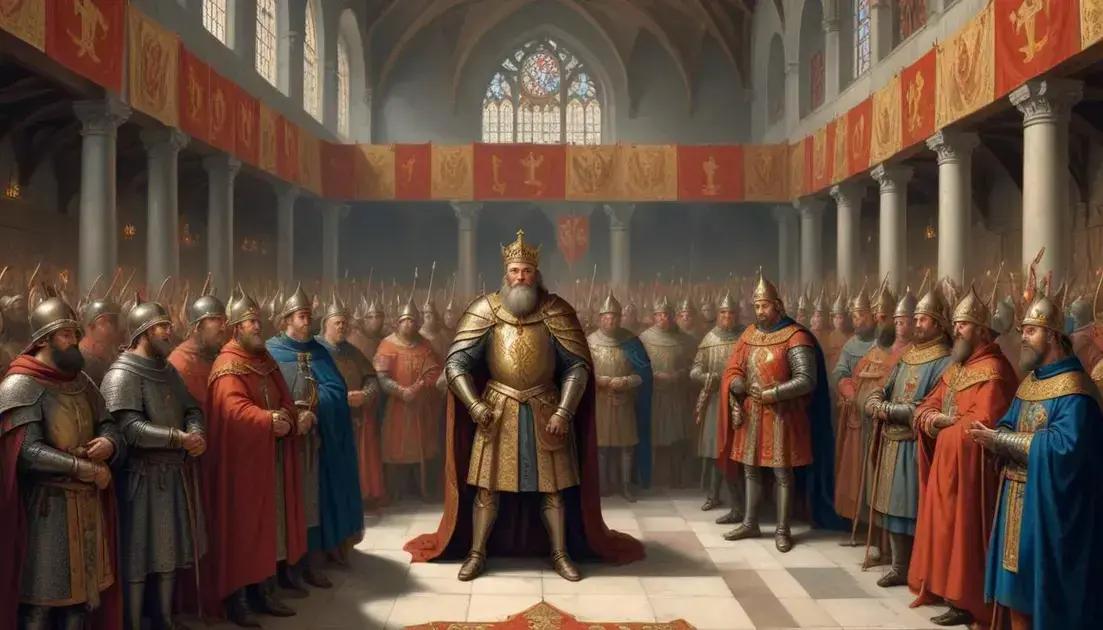
The feudal system had a clear hierarchical structure. At the top, you found the king, who ruled the entire land. Below the king were the lords, powerful landowners with many responsibilities.
Lords managed large estates and were responsible for the safety of their lands. They made sure laws were followed and collected taxes from the peasants. Lords also held power over their vassals, who pledged loyalty to them.
Next in the hierarchy were the vassals. These nobles served the lords and provided military support. Vassals were granted land, called fiefs, in exchange for their loyalty and protection.
At the bottom of this structure were the peasants. They worked the land and supported everyone above them. Peasants were crucial for food production and daily operations. Most were serfs, meaning they were tied to the land and couldn’t leave without permission.
This hierarchical structure created stability in medieval society. It helped define roles and responsibilities, ensuring everyone played a part in maintaining order.
Economic Aspects of Feudalism
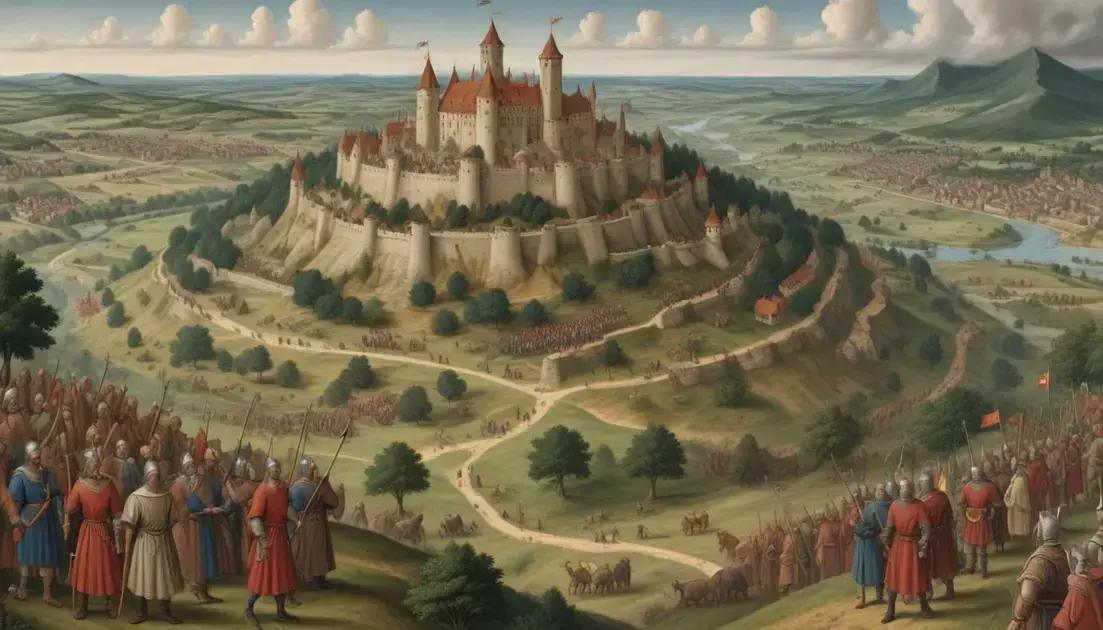
The economic aspects of feudalism played a crucial role in shaping medieval society. The system was based on land ownership and agricultural production. Lords owned large estates and managed them to generate wealth.
Peasants worked these lands in exchange for protection and a place to live. Most peasants were serfs, meaning they were bound to the land. They couldn’t leave without their lord’s permission. This created a stable workforce for farming.
Farms produced essential goods like grains, vegetables, and livestock. These products were used to support local communities and trade. Markets allowed lords and vassals to sell surpluses, increasing their wealth.
Taxes were another important part of the feudal economy. Lords collected taxes from peasants and vassals. In return, they provided protection and maintained the local area. This system helped fund local services and military expenses.
Overall, the economy was highly dependent on agriculture and the relationships between different classes. This reliance on land and labor defined feudal life and social structure.
Social Impacts and Legacy
The social impacts and legacy of feudalism shaped Europe for centuries. This system created clear social classes that influenced daily life. Nobles had power and wealth, while peasants worked hard for their survival. Each group had distinct roles that impacted their communities.
Feudalism fostered a strong sense of loyalty. Vassals were tied to lords, and peasants relied on their lords for protection. This bond created a community feeling, though it often restricted personal freedoms.
Education and culture also evolved during this period. The church played a significant role, providing learning to the wealthy while most peasants remained uneducated. This meant that knowledge was often limited to the elite.
The legacy of feudalism influences modern societies today. Concepts like social hierarchy and land ownership still exist. They remind us of how interconnected power and loyalty can shape a community.
Overall, the social structure established during feudal times has left a lasting imprint on European history. Understanding this helps us appreciate the complexities of our present-day society.
Conclusion
In conclusion, the feudal system shaped medieval society in many ways. It created a clear social structure that influenced how people lived and interacted. Lords, vassals, and peasants each had important roles that helped maintain order during tough times.
The economics of feudalism were also significant. Land ownership and agricultural production played big parts in how communities functioned. Peasants worked hard to support everyone, while lords benefited from their labor.
Lastly, the social impacts and lasting legacy of feudalism remind us of the past. Our current society still reflects many ideas from this period. Understanding these connections helps us see how history has shaped our world today.
Overall, the feudal system was complex but vital in creating the foundations of modern society.
Tags: