Napoleon: the rise and fall of a military genius
Napoleon Bonaparte was a significant historical figure known for his rise as a military genius and emperor. His early life in Corsica shaped his ambitions, leading to notable military campaigns and the establishment of the French Empire. Despite his eventual downfall, marked by defeats like the catastrophic Russian campaign and the Battle of Waterloo, Napoleon’s reforms, including the Napoleonic Code, continue to influence legal and educational systems today. His story serves as a complex lesson in leadership, ambition, and the consequences of power.
Napoleon Bonaparte, a name that echoes through history, captivates us with tales of ambition, power, and passion. Are you ready to explore the rise and fall of this military genius?
Introduction
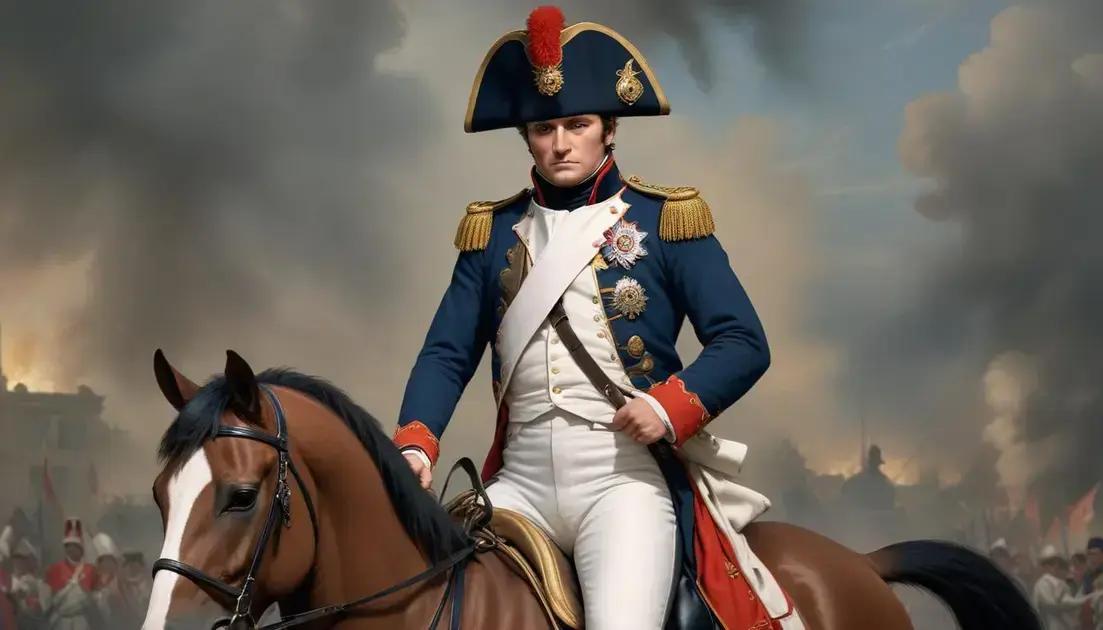
Napoleon Bonaparte was more than just a military leader; he was a complex figure who shaped Europe. Born in Corsica, he rose quickly through the ranks of the French Army. His brilliant strategies won many battles, and he became famous across the continent.
As he gained power, Napoleon crowned himself emperor. This was a bold statement that showed his ambition and vision. He believed in a strong France and wanted to expand its borders. Napoleon’s campaigns changed the map of Europe, making him a key player in world history.
But his journey wasn’t just about victories. There were many challenges along the way. His decisions led to major conflicts and a lot of suffering. Learning about Napoleon helps us understand leadership, decision-making, and the impact of power.
Are you curious about how he managed to achieve so much? Join us as we explore the rise and fall of this fascinating military genius. You might find lessons that apply to today’s leaders!
The Early Years
Napoleon Bonaparte was born on August 15, 1769, in Corsica. His family was relatively modest. Though not wealthy, they valued education. Young Napoleon showed great promise from an early age.
He moved to mainland France for school when he was just nine. There, he faced challenges. Speaking French was tough for him since it wasn’t his first language. But he worked hard and learned quickly.
At school, Napoleon excelled in history and math. He loved reading about great leaders and their strategies. His passion for military history grew, shaping his future ambitions.
When he turned 16, Napoleon joined the French Army as a second lieutenant. This was the start of his incredible rise. His dedication and skills soon made him stand out among his peers.
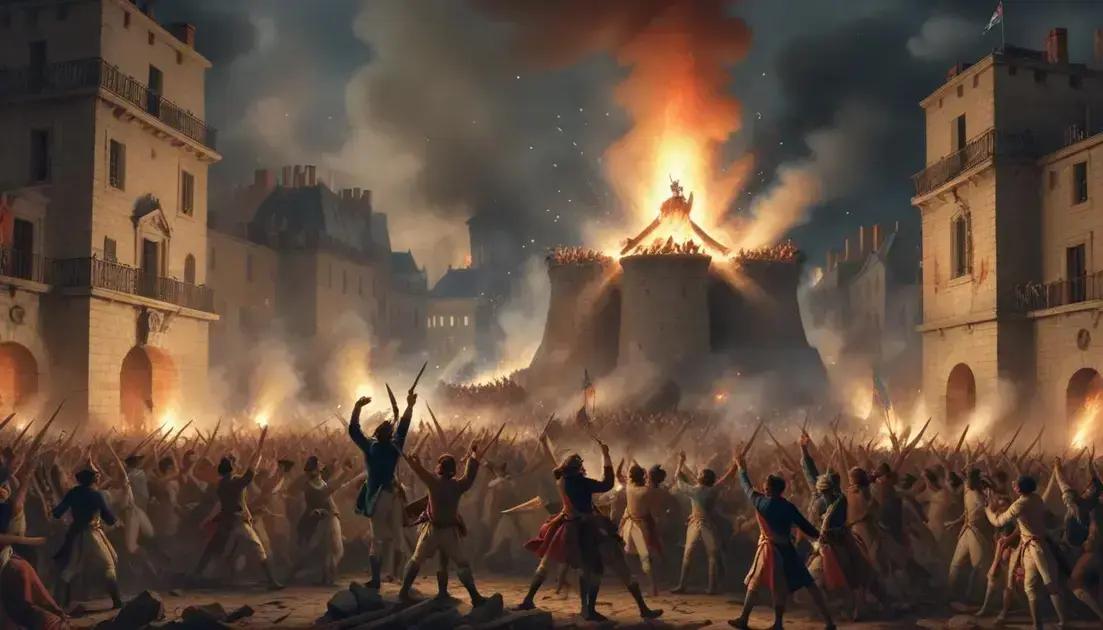
During his early years, the French Revolution began. Many changes were happening in France, and Napoleon wanted to be part of it. He saw an opportunity to climb the ranks and make a difference. This period shaped his views and ambitions.
Military Campaigns
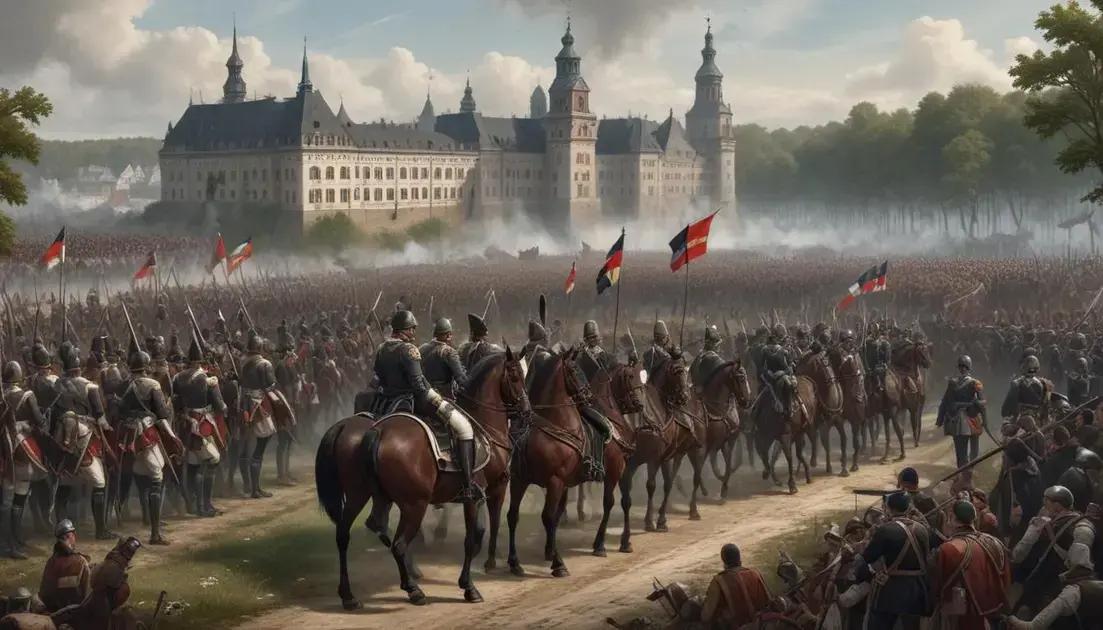
Napoleon’s military campaigns are famous for their boldness and strategy. He led France during a time of great change. His skill on the battlefield helped him rise quickly through the ranks.
One of his first major successes was the Italian Campaign in 1796. Napoleon skillfully defeated larger armies. His tactics surprised many and earned him a reputation as a brilliant leader.
Next came the Egyptian Campaign in 1798. Although not as successful, it increased his fame. He aimed to disrupt British trade routes and spread French influence. His time in Egypt also sparked interest in the culture and history of the region.
In 1805, Napoleon faced the British at the Battle of Trafalgar. Unfortunately, this was a setback. The British Navy defeated him. However, he quickly regrouped and turned his attention to land battles.
The Battle of Austerlitz in 1805 was one of his most significant victories. Here, he defeated Russian and Austrian forces with clever strategies. This famous battle solidified his power in Europe.
Throughout his campaigns, Napoleon focused on innovation. He used artillery and organized troops in new ways. His approach changed military tactics across the globe. His campaigns not only expanded French territory but also reshaped Europe’s political landscape.
The Empire
Napoleon declared himself Emperor of the French in 1804. This marked a new era for France. His empire expanded rapidly across Europe. Napoleon aimed to create a powerful French empire.
As emperor, he made many changes. He reformed the legal system with the Napoleonic Code. This set of laws simplified legal processes and protected property rights. It still influences many legal systems today.
Napoleon also focused on education. He established public schools, making education accessible for more people. This helped improve literacy and created a better-educated workforce.
His empire wasn’t just about France. It stretched across Italy, Spain, and parts of Germany. Napoleon installed relatives and loyalists in key positions. This helped him control these regions while expanding his influence.
However, his ambitions led to conflicts. Many countries formed coalitions against him. His empire faced constant threats, which kept him on his toes. Despite this, he enjoyed significant victories, solidifying his power.
The empire started to crumble in 1812 with the disastrous invasion of Russia. Harsh winter and strong resistance took a severe toll on his army. This marked the beginning of the end for Napoleon’s reign.
Despite its fall, the legacy of the empire is immense. Napoleon’s impact on Europe and the world is still felt today. His reforms and ideas changed the landscape of Europe forever.
Downfall and Legacy
Napoleon’s downfall began in 1812 during his invasion of Russia. The harsh winter and fierce resistance devastated his army. Many soldiers suffered from hunger and cold. This defeat weakened his power significantly.
After the loss in Russia, countries united against him. In 1814, the coalition invaded France. Paris fell, and Napoleon was forced to abdicate. He was then exiled to the island of Elba.
In 1815, Napoleon escaped from Elba and returned to France. He regained power quickly, starting a period called the Hundred Days. However, his return was short-lived.
The Battle of Waterloo in June 1815 marked his final defeat. He faced a strong coalition led by the British and Prussians. Napoleon was captured and exiled to the remote island of Saint Helena.
Even in exile, Napoleon continued to influence politics and ideas. He wrote memoirs and reflected on his life. His thoughts shaped opinions about leadership and power.
Napoleon’s legacy is complex. He is remembered as a military genius and a controversial leader. His reforms impacted law, education, and governance. The Napoleonic Code is still relevant in many countries today.
His ambition changed Europe’s political landscape. Although his empire fell, his ideas about government and rights remain influential. Napoleon’s story serves as a reminder of the rise and fall of power and ambition.
Conclusion
In conclusion, Napoleon Bonaparte’s journey offers valuable lessons about ambition, power, and leadership. From his early years to his rise as emperor, he shaped history in profound ways. His military campaigns revealed the impact of strategic thinking and innovation.
Despite his eventual downfall, Napoleon’s legacy continues to influence modern society. His reforms, like the Napoleonic Code, are still relevant today. Understanding his mistakes and successes can help us navigate our own challenges.
Ultimately, Napoleon’s story reminds us that great ambition can lead to remarkable achievements, but it’s essential to remain aware of the consequences that come with power. The lessons we learn from his life can inspire future leaders to strive for greatness while being mindful of the journey ahead.