Industrial Revolution: machines that transformed humanity
The Industrial Revolution marked a significant transformation in society, characterized by technological advancements, economic growth, and shifts in social structures. Key figures like James Watt and Eli Whitney made impactful inventions, such as the steam engine and the cotton gin, which revolutionized industries. This period also saw increased urbanization as people moved from rural areas to cities for jobs, leading to the rise of new social classes. While it brought innovation and economic prosperity, the Industrial Revolution also introduced challenges like labor issues and child labor, paving the way for future reforms in workers’ rights and education.
The Industrial Revolution is often seen as the dawn of modern society, where machines took center stage and transformed how we live and work. Curious about how these innovations shaped our world?
Impact of Machines
The Impact of Machines during the Industrial Revolution was huge. Machines changed how things were made. Instead of doing everything by hand, factories began using machines to speed up production.
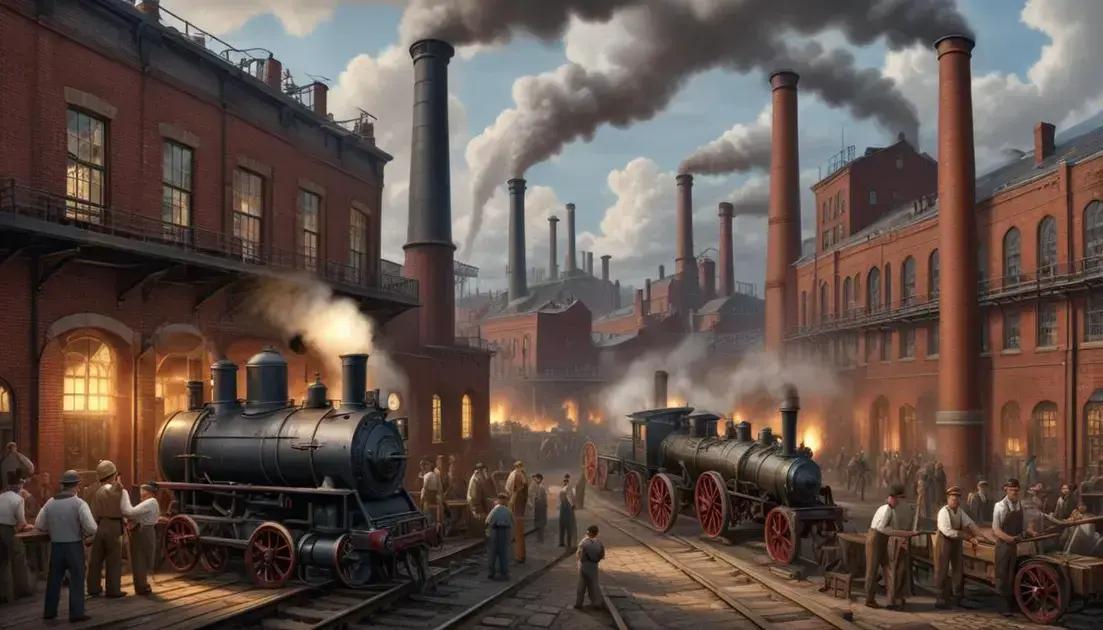
These machines were often powered by steam, which was a new and exciting energy source. Steam engines made it possible to power many machines at once. This led to bigger factories and more jobs.
Workers, both men and women, found work in these new factories. While this created many jobs, it also meant long hours and tough conditions for many. Workers had to adjust to working with machines every day.
Some machines, like the spinning jenny and the power loom, made textile production much faster. This was important for the textile industry, which was one of the first to modernize.
As businesses grew, cities began to grow too. People moved from farms to cities looking for work. This shift changed society. New inventions created new opportunities. But they also brought challenges.
Despite the struggles, machines helped to boost economies worldwide. They made products cheaper and more accessible. Innovations from this period set the stage for future advancements in technology.
Social Changes
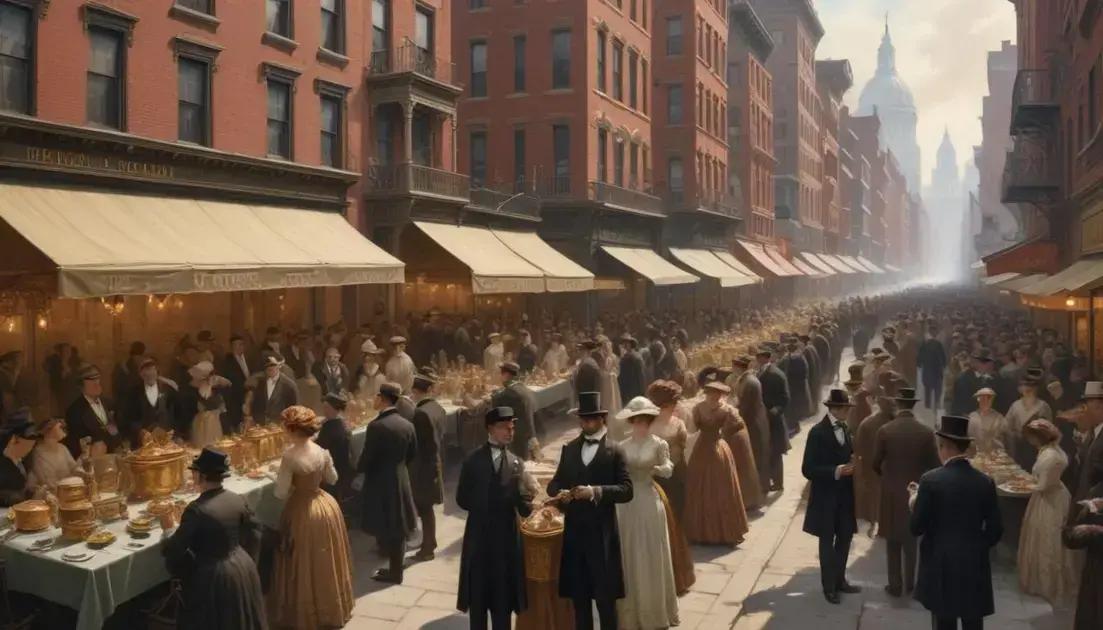
Social Changes during the Industrial Revolution were profound. As factories grew, many people moved from rural areas to cities for work. This migration changed family structures and community life.
With more people in cities, new social classes emerged. The working class grew, while a wealthy middle class began to form. These changes often created tensions between different groups.
Working conditions were tough. Many workers faced long hours, low pay, and unsafe environments. This led to the rise of labor movements. Workers started to band together to fight for their rights.
Child labor was a big issue. Many children worked in factories instead of going to school. Activists began to call for reforms to protect children and improve working conditions.
Women also began to enter the workforce in larger numbers. They took on jobs, often in textiles and domestic service. This shift started discussions about women’s rights and roles in society.
Social changes during this time influenced arts and culture. Many writers and artists focused on the struggles of everyday life. They highlighted both the challenges and the advancements of this new era.
Economic Transformations
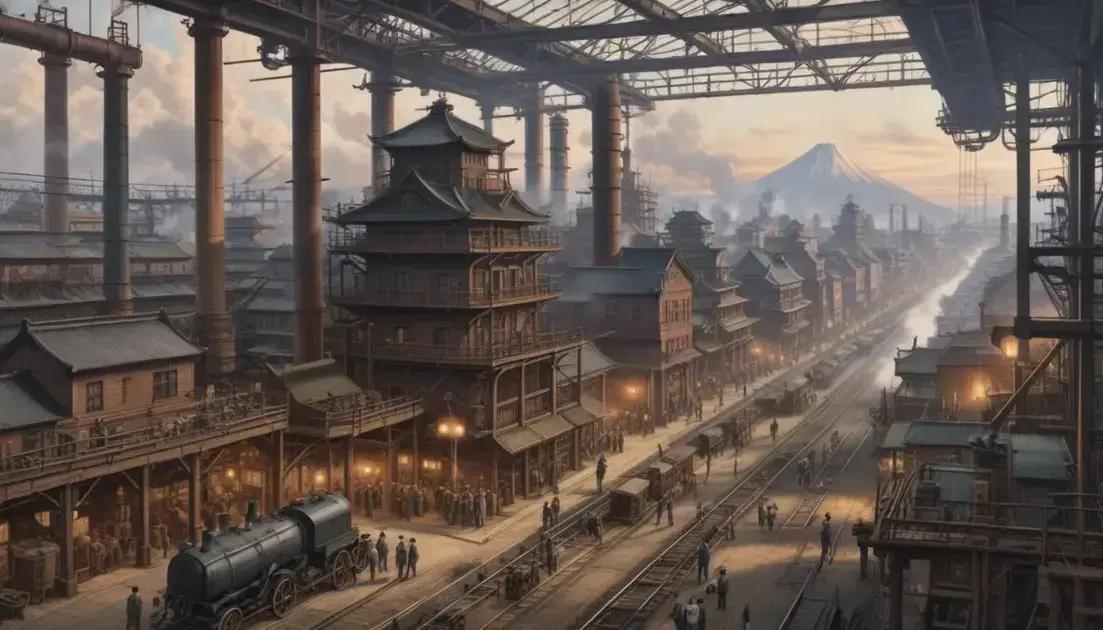
Economic Transformations changed the world during the Industrial Revolution. This period saw a move from farming to industry and manufacturing. New machines increased production speed and efficiency.
Factories began to replace traditional workshops. This shift led to mass production of goods. With machines, products were made faster and cheaper. This made goods available to more people.
The rise of factories changed job opportunities. Many people sought work in cities. This created a new urban workforce. This shift supported the growth of larger cities.
Trade also expanded. As production increased, goods needed to be shipped further. Railroads and steamships became important for transporting products. This made international trade easier and faster.
Banking systems improved to support businesses. More investments were made into new technologies. This created an environment where innovation could thrive.
Overall, economic transformations during the Industrial Revolution had lasting effects. They set the stage for modern economies and paved the way for future developments.
Technological Advancements
Technological Advancements during the Industrial Revolution were groundbreaking. This era introduced many new machines that changed industries forever. Innovations made processes faster and easier for workers.
One major invention was the steam engine. It powered machines and locomotives. This allowed factories to operate more efficiently and improved transportation of goods.
The spinning jenny was another critical advancement. It transformed textile manufacturing by allowing one worker to spin multiple threads at once. This increased production speed in the textile industry.
Other innovations included the power loom and cotton gin. The power loom made weaving much quicker. The cotton gin separated cotton fibers from seeds, speeding up cotton production.
These advancements led to more jobs and boosted the economy. They also changed daily life. With new technologies, products became cheaper and more accessible to everyone.
Technological advancements didn’t just change industries; they also transformed society. People began to rely on machines for everyday tasks, paving the way for future innovations.
Key Figures
Key Figures of the Industrial Revolution played vital roles in shaping history. These individuals were innovators and leaders who impacted society significantly.
One important figure is James Watt. He improved the steam engine, making it more efficient. His work helped factories and transportation systems grow.
Another key personality is Eli Whitney. He invented the cotton gin, revolutionizing cotton production. This invention made cotton processing much faster and increased its demand.
Richard Arkwright was also influential. He created the water frame, a machine that spun cotton into yarn. This helped boost the textile industry significantly.
Women, too, made their mark. Figures like Frances Wright advocated for workers’ rights and women’s education. Their efforts paved the way for future reforms.
These key figures and many others contributed to the changes during the Industrial Revolution. Their inventions and ideas transformed industries and the way people lived.
Conclusion
In conclusion, the Industrial Revolution was a time of great change. It brought new technologies, social shifts, and economic growth. Key figures like James Watt and Eli Whitney made lasting impacts with their inventions.
Machines transformed industries and improved everyday life. However, this progress also brought challenges, such as labor issues and changing family dynamics. Understanding these changes helps us appreciate how they shaped our modern world.
Looking back, we see that the Industrial Revolution set the stage for today’s advancements. The innovations and ideas from that era continue to influence us, reminding us of the power of creativity and determination in driving progress.