The rise and rule of the Soviet Union
The dissolution of the Soviet Union in 1991 marked a significant change in global politics, ending decades of Cold War tensions. This period saw former Soviet states gaining independence, each facing unique challenges and opportunities. The legacy of the USSR continues to influence political and cultural landscapes today, with varying perceptions among the population regarding their history. Understanding this complex transition is crucial for grasping the current dynamics of these nations and their relationships with the world.
The Soviet Union was an enigmatic superpower that reshaped global dynamics. From its revolutionary roots to the tensions of the Cold War, explore its profound impact on history.
The Revolution and the Birth of the USSR
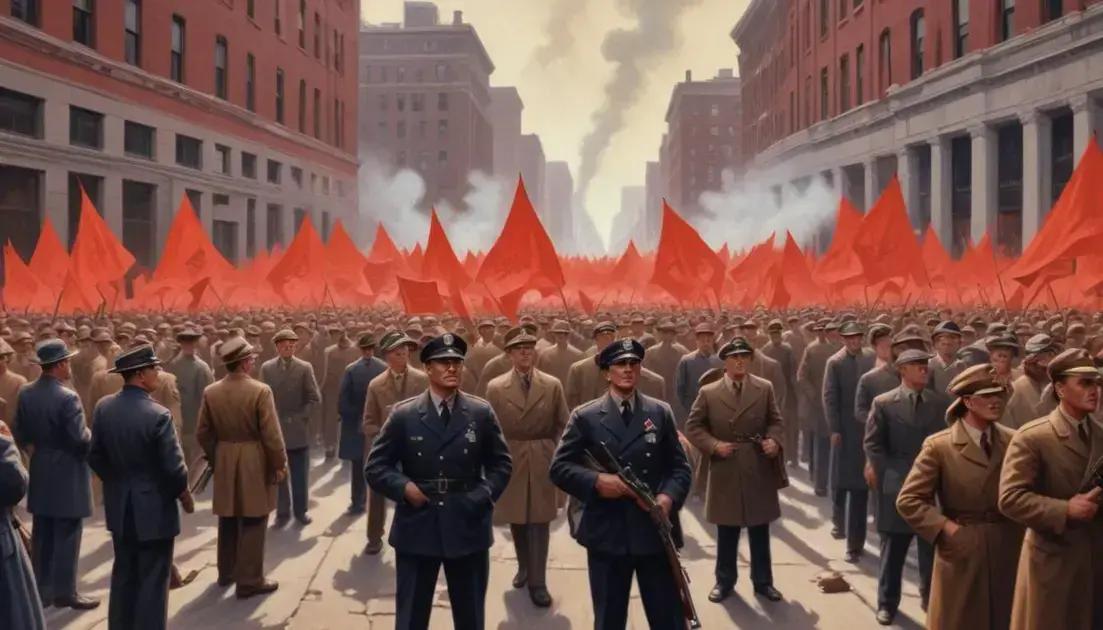
The Revolution that gave birth to the USSR was a defining moment in history. In 1917, the people of Russia wanted change. They were tired of hardship and war. The Bolsheviks, led by Lenin, took charge during this time of unrest. They promised peace, land, and bread for everyone.
The February Revolution led to the abdication of Tsar Nicholas II. This event changed everything. The Provisional Government was set up, but it struggled to meet the people’s needs. As discontent grew, the Bolsheviks gained support. They wanted to overthrow the Provisional Government.
In October 1917, the Bolsheviks seized power. They stormed the Winter Palace, marking the beginning of Soviet rule. This event is often called the October Revolution. The Bolsheviks immediately took steps to create a new government. They ended private ownership of land and began redistributing it among the peasants.
The early days of the USSR were filled with challenges. The country was torn by civil war, economic instability, and foreign intervention. The Bolsheviks fought hard to keep control. They introduced new policies that reshaped society, economy, and culture. They aimed to create a classless society where everyone was equal.
These changes laid the foundation for the USSR. They directed the course of its future. This period was crucial as it determined the future of millions of people. It also influenced global politics for decades to come.
Stalin’s Industrialization and Purges
Stalin’s reign brought massive changes to the Soviet Union. His focus was on rapid industrialization. He wanted to transform the USSR into a world superpower. To do this, he introduced five-year plans. These plans aimed to boost industry and agriculture quickly.
Factories sprang up in cities. Workers were pushed to meet high production goals. People often worked long hours and faced poor conditions. While production grew, many suffered in the process. Living standards didn’t improve for most. Collectivization of farms was another key aspect. Private farms were merged into large, state-run collectives. This was meant to increase food production but led to disaster for many peasants.
The purges came next. Stalin feared threats to his power. He launched campaigns to eliminate those he saw as enemies. This included political rivals, military leaders, and even ordinary citizens accused of disloyalty. Millions were arrested, sent to labor camps, or executed.
These purges created a climate of fear. People were afraid to speak out. They lived under constant suspicion. Despite this, Stalin’s plans did achieve some goals. The USSR became more industrialized, setting the stage for future growth. This period is complex, showing the dark side of progress.
The Cold War Era and Global Influence
The Cold War era was a time of great tension. It started after World War II and lasted for decades. The main players were the United States and the Soviet Union. They represented two very different ideas. The U.S. believed in capitalism, while the USSR stood for communism.
During this time, both countries tried to expand their influence. They engaged in a fierce competition for prestige and power. This often led to proxy wars. These were conflicts where they supported different sides without fighting each other directly. For example, in Korea and Vietnam, both superpowers played major roles.
The Cold War also sparked an arms race. Each side built up vast arsenals of weapons. This included nuclear weapons, which created a strong sense of fear. The threat of a nuclear war was ever-present. This period brought about the famous policy of detente, where both sides tried to reduce tensions.
Influence spread beyond the U.S. and USSR. Countries around the world chose sides, often depending on their own interests. Many nations in Africa, Asia, and Latin America were caught in the crossfire. They sought support from either superpower to help with their development or conflicts.
The Cold War’s impact is still felt today. It shaped many modern cultures, economies, and politics. Understanding this era is vital for grasping current global dynamics.
Dissolution and Legacy
The dissolution of the Soviet Union in 1991 marked a significant turning point. For many, it felt like the end of an era. This event came after years of political unrest and economic struggles. As independent nations formed, people celebrated newfound freedom.
Each republic had its own challenges. Some faced economic hardship, while others dealt with social issues. The legacy of the USSR continued to shape their paths. Many former Soviet states tried to build democracies but faced various obstacles.
The collapse changed global politics. It ended the Cold War and shifted power dynamics. NATO expanded eastward, and new alliances formed. This era marked a transition from a bipolar world to a more multipolar one.
As for the legacy, it’s complex. Some people remember the stability and security of the Soviet era. Others recall the oppression and lack of freedom. These contrasting views still impact how people see their history today.
The USSR’s influence is felt in culture and politics. Many aspects of Soviet life, like education and healthcare, left lasting impressions. Today’s generation in these former territories grapples with this history while moving forward into the future.
Conclusion
In conclusion, the dissolution of the USSR was a pivotal moment in history. It ended decades of tension and opened new paths for many nations. As these countries moved forward, they faced both opportunities and challenges. Some found freedom and democracy, while others struggled with economic and political issues.
The legacy of the Soviet Union continues to impact these nations today. People have different views on what this past means for their future. Some look back fondly while others remember the hardships. Understanding this complex history is key to shaping today’s world.
As we reflect on the dissolution of the USSR, it reminds us of the importance of freedom, democracy, and the struggles that can come with change. By learning from the past, we can help build a better future for everyone.