World War I: the war to end all wars
World War I had significant impacts on political, social, and economic landscapes. Key lessons reveal the importance of diplomacy, preparedness for conflict, and the need for global cooperation. The war changed civilian life through rationing and increased women’s roles in the workforce. Its consequences include the collapse of empires and a lasting focus on mental health for veterans. By learning from these events, we can foster better international relationships and contribute to a more peaceful future.
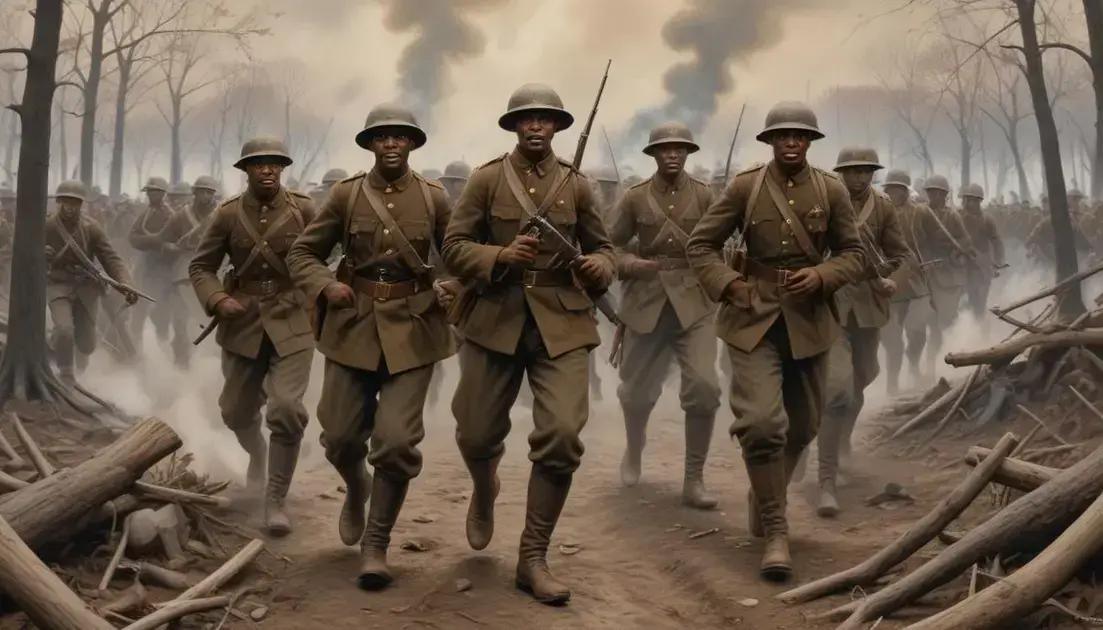
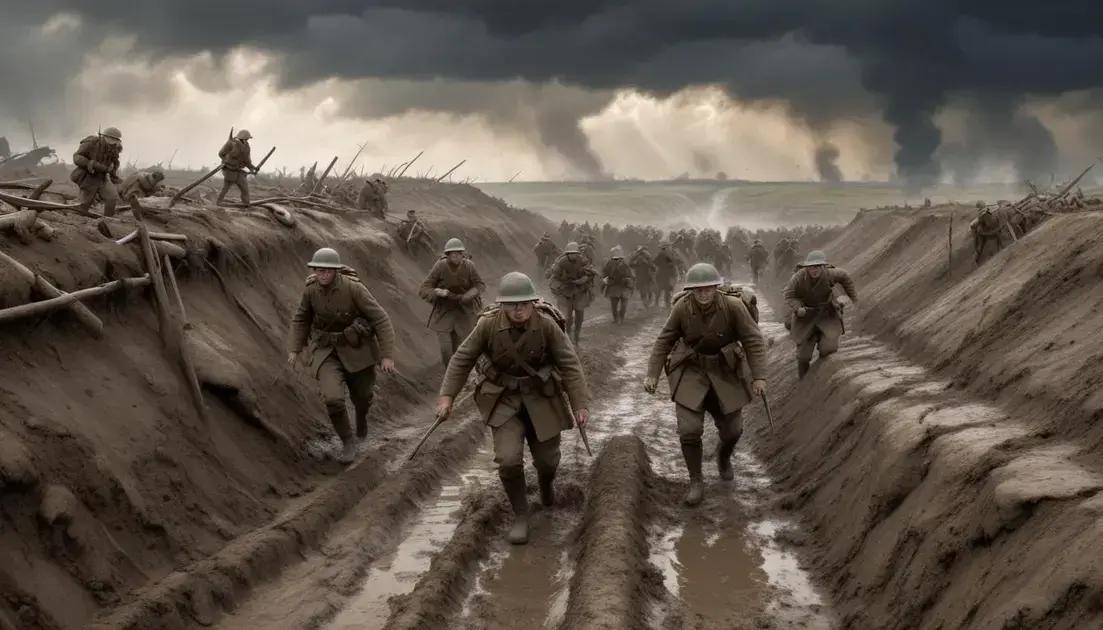
When you think about World War I, what comes to mind? The mud-soaked trenches? The empires that crumbled? This was a conflict that truly changed the world.
The Causes of World War I
To understand the Causes of World War I, we need to look back at a few key factors. First, there were rising tensions between major powers in Europe. Alliances formed, creating a complex web of relationships. These alliances meant that a conflict between two countries could easily involve others.
Militarism
One important cause was militarism. Countries began building up their armies and navies. This arms race made nations feel threatened and ready for war. They believed that having a strong military kept them safe. But it also made them more eager to use it.
Nationalism
Nationalism played a big role too. People started feeling a strong pride in their countries. This pride often turned into competition with others. Countries wanted to prove they were the best. This led to rivalries that increased tension.
Imperialism
Imperialism was another factor. European nations wanted to expand their empires. They competed for colonies and resources around the world. Conflicts over these lands created more friction between countries.
The Spark
The final spark was the assassination of Archduke Franz Ferdinand in 1914. This event set off a chain reaction. Countries began declaring war, and soon the conflict spread across Europe. It was a tense situation that had been brewing for years.
All these causes combined created a perfect storm. When the war started, it involved many nations, transforming the conflict into a global event.
Key Battles and Strategies
World War I was filled with many key battles and strategies that shaped its outcome. Understanding these battles helps us see how the war unfolded.
The Battle of the Somme
The Battle of the Somme, fought in 1916, was one of the largest battles. It began on July 1 and lasted until November. Soldiers faced heavy artillery and machine gun fire. The goal was to relieve pressure on French troops at Verdun. This battle taught leaders about the grim realities of trench warfare.
The Battle of Verdun
Another significant battle was Verdun. It symbolized French determination. The Germans tried to capture this fortress city, but the French put up fierce resistance. The fighting was brutal and lasted from February to December 1916. Many lives were lost, but the French held their ground.
New Weapons and Tactics
During the war, new weapons changed the way battles were fought. Tanks first appeared in the Battle of the Somme. They helped break through enemy lines. Gas warfare also became common. These tactics aimed to surprise and disable the opponent.
The Use of Aircraft
Aircraft emerged as a critical part of the war. They were used for reconnaissance and engaging in dogfights. This changed the dynamic of war in the skies. Aerial strategies often influenced ground battles.
Offensive and Defensive Strategies
Strategies during WWI varied between offense and defense. Trench warfare led to long stalemates. Generals had to find creative ways to break through enemy defenses. This meant planning surprise attacks and using coordinated strikes, which were often risky but necessary.
Ultimately, these key battles and strategies reveal the complexity and challenges of World War I. Each conflict contributed to the larger story of how the war was fought.
The Impact on Civilian Life
The impact of World War I on civilian life was profound and far-reaching. Many people faced difficult changes in their daily routines. With soldiers leaving for the front, families had to adapt quickly.
Rationing and Scarcity
One major change was rationing. Foods like bread, meat, and sugar became scarce. Governments introduced ration cards to manage supplies. People learned to make do with less and find creative recipes.
Women in the Workforce
As men went off to fight, women stepped into new roles. They took jobs in factories, offices, and even on farms. This shift changed traditional gender roles. Many women found new independence and skills during this time.
Propaganda and Nationalism
Governments used propaganda to boost morale. Posters and speeches encouraged people to support the war. Nationalism grew, and many felt a strong duty to their countries. This changed how people viewed themselves and their responsibilities.
Displacement and Refugees
As battles raged, many civilians were forced to leave their homes. Refugees fled to safer areas, often facing harsh conditions. Entire communities were uprooted. This created long-lasting effects on families and societies.
Psychological Effects
The war also took a toll on mental health. Many soldiers returning home experienced trauma. Families had to navigate the challenges of loved ones coming back changed. Society began to recognize the need for support.
Overall, World War I dramatically altered civilian life. The changes shaped futures and left lasting legacies that would be felt for generations.
Consequences of the War
The consequences of World War I were vast and impactful. They shaped not only countries but the entire world. Understanding these consequences helps us see the war’s legacy.
Political Changes
After the war, many empires collapsed. The Austro-Hungarian and Ottoman empires ceased to exist. New countries emerged from these old territories. This led to new borders and ongoing tensions.
Social Shifts
The war changed societal norms. Women gained more rights as they stepped into roles traditionally held by men. This shift laid the groundwork for future movements toward gender equality.
Economic Consequences
The war drained national economies. Many countries faced debt and inflation. Economies had to rebuild, often leading to hardship for citizens. The financial struggles of this era set the stage for future economic crises.
Impact on Treaty of Versailles
The Treaty of Versailles officially ended the war in 1919. It placed heavy penalties on Germany. Many believe these harsh terms contributed to later conflicts, including World War II.
Psychological Effects
The psychological consequences were profound. Many soldiers returned home with trauma. Society slowly began to recognize the importance of mental health and support for veterans.
In summary, the consequences of World War I reverberated through generations. The political, social, and economic impacts continue to influence the world today.
Lessons from WWI for Today
The lessons from World War I still resonate today. Understanding these lessons can help us navigate current challenges.
The Importance of Diplomacy
One key lesson is the importance of diplomacy. Clear communication between nations can prevent misunderstandings. Building strong relationships can avoid conflicts before they escalate.
Preparedness for Conflict
Another lesson is to be prepared. Nations should invest in defense and readiness. But it’s also crucial to prioritize peace and dialogue. Having a strong defense doesn’t mean giving up on peaceful solutions.
Impact on Civilians
World War I showed how war affects civilians. Governments must consider the civilian impact of military actions. Protecting people’s lives and well-being should be a priority in any conflict.
Global Cooperation
Global cooperation is essential for addressing common challenges. Problems like climate change and pandemics require countries to work together. Learning from past conflicts can create stronger alliances for the future.
Commemoration and Reflection
Finally, remembering the past is vital. Commemorating events helps future generations learn from mistakes. Reflection can guide us towards a more peaceful world.
Incorporating these lessons into our society can create a better future. By remembering the past, we can build a more peaceful and understanding world.
Conclusion
In conclusion, the lessons learned from World War I are still important today. We see how vital diplomacy is in preventing conflicts before they start. Being well-prepared for any situation is essential, but we must also prioritize peaceful solutions.
Civilians are often the most affected during wars, so protecting their well-being is crucial. As we face global challenges like climate change together, cooperation among nations remains key. Remembering and reflecting on our past can help us avoid repeating mistakes. By learning from history, we can build a more peaceful and understanding world for future generations.
Tags: