The Cold War: ideology, espionage, and nuclear fear
The Cold War significantly influenced modern international relations, shaping alliances and geopolitical strategies that are still relevant today. The tensions between the U.S. and the Soviet Union led to strategic partnerships and a focus on diplomacy to prevent conflict. This legacy is evident in ongoing global discussions about arms control and security, illustrating how historical tensions continue to impact present-day politics and society.
In a world captivated by the dynamics of Cold War, it’s fascinating to explore how this silent conflict shaped global politics and personal lives.
Understanding the Ideology behind the Cold War
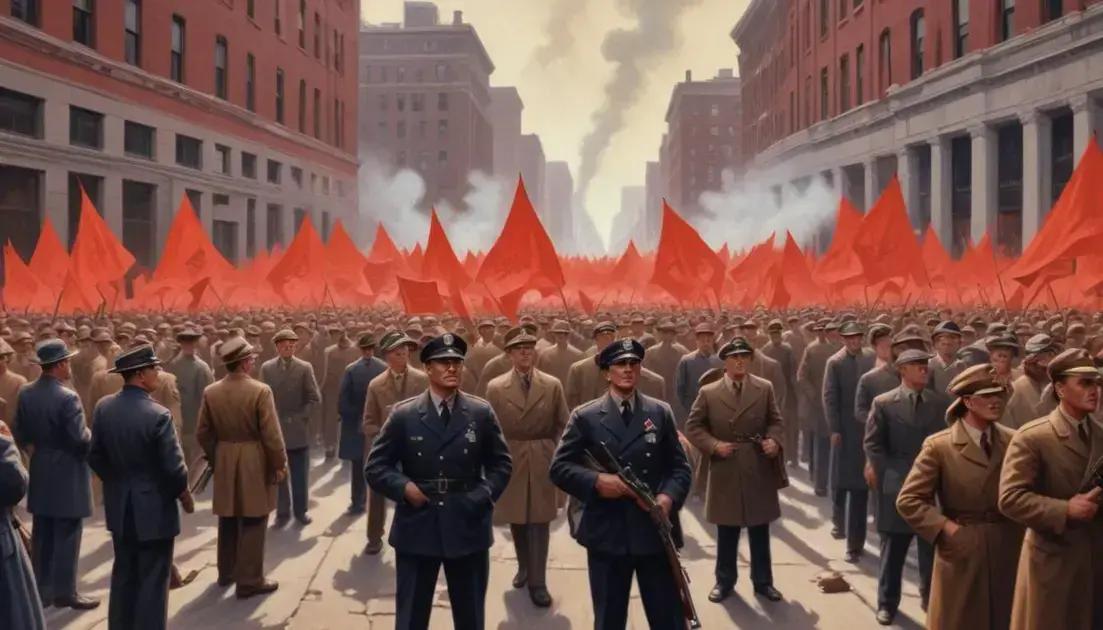
The Cold War was more than just a struggle between two superpowers. It had deep-rooted ideologies that shaped global politics. On one side, the United States promoted capitalism, where private ownership and free markets thrived. On the other, the Soviet Union supported communism, aiming for shared ownership and equal wealth among its people.
This clash of ideas led to an intense rivalry that wasn’t just military. It affected culture, science, and daily life. Each side wanted to prove their way was the best. Propaganda played a huge role in spreading these beliefs to gather support.
People on both sides were often presented with only one viewpoint. This made it hard to see the other side clearly. Knowing this background helps us understand why events unfolded as they did.
Key Events during the Cold War highlighted these ideologies. The Korean War showed how communism tried to spread in Asia, while NATO formed in the West as a defense against potential threats. Mediums like film and music reflected these beliefs, making the ideological battle accessible to everyone.
While the Cold War officially ended in 1991, the ideologies didn’t just disappear. They still influence political discussions today. Understanding these roots helps us make sense of many current issues.
The Role of Espionage and Intelligence Operations
Espionage was a major part of the Cold War. Spies gathered crucial information about military plans and government strategies. This secret work shaped many events during this time.
Intelligence operations can be tricky. They involved undercover agents working in enemy territories. These agents often lived in disguise, blending into societies to collect data unnoticed.
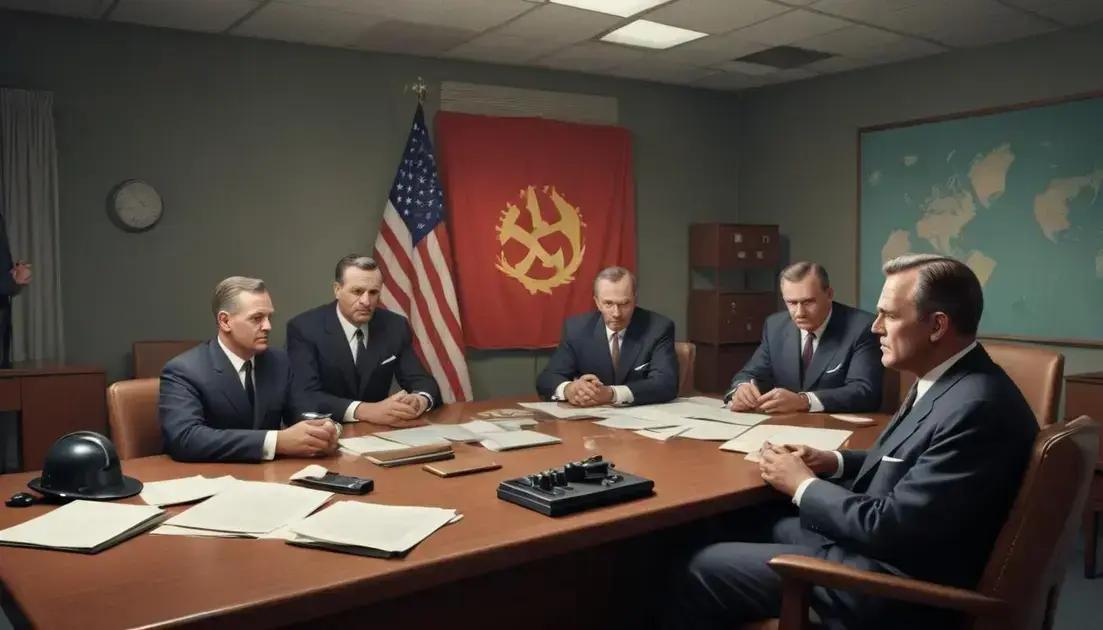
Both the U.S. and the Soviet Union invested heavily in intelligence. Organizations like the CIA in America and the KGB in Russia were key players. Their work led to important discoveries and sometimes dangerous situations.
For example, the Cuban Missile Crisis showed how espionage could change history. Information collected by spies revealed missile sites in Cuba. This led to heightened tensions and risks of nuclear war.
Espionage wasn’t just about spies. It included technology, too. Both sides developed advanced tools for surveillance. Satellites and listening devices became vital for gathering intelligence.
These operations often led to mistrust and paranoia. Each side suspected the other of spying constantly. This created an environment where actions were taken with caution.
The legacy of espionage continues today. Many techniques and practices used in the Cold War still influence modern intelligence operations. Understanding the role of espionage helps us see its impact on history.
The Threat of Nuclear Weapons and Its Impact on Society
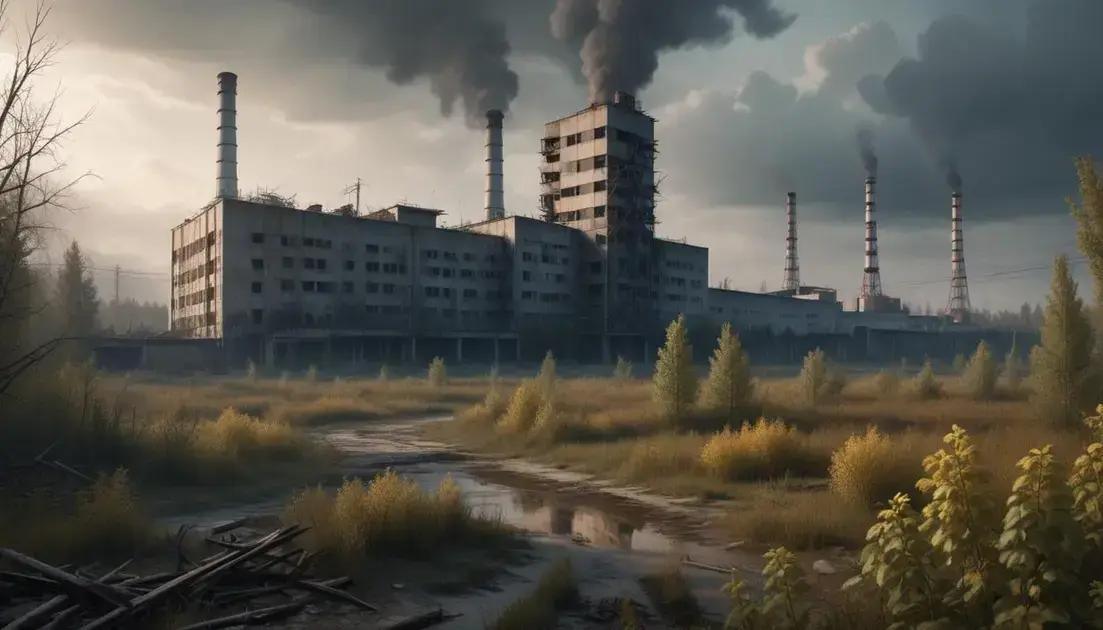
Nuclear weapons changed the way countries viewed security. Their power created fear and tension during the Cold War. Both the U.S. and the Soviet Union built large arsenals of these weapons.
The threat of nuclear war loomed over daily life. People worried about attacks and devastation. Schools even held drills to prepare for the worst. This fear impacted many aspects of society.
Governments used the threat of nuclear weapons to argue for military spending. They convinced citizens that a strong military was necessary to protect against attacks. This led to more weapons and more tension globally.
Public sentiment also played a role. Many people protested nuclear arms, fearing their catastrophic consequences. Movements for disarmament grew throughout the years. The peace movement highlighted the dangers of nuclear conflict.
The impact stretched beyond politics. Many films, books, and songs from this era reflected nuclear fears. Media often portrayed dystopian futures based on nuclear fallout, shaping public perception.
Despite the end of the Cold War, the nuclear threat remains. Countries still possess these weapons, leading to ongoing discussions about disarmament. Understanding this threat is crucial as it continues to influence global security.
How the Cold War Shaped Modern International Relations
The Cold War had a huge impact on modern international relations. It changed how countries view alliances and conflicts. The rivalry between the U.S. and the Soviet Union influenced many global events.
During the Cold War, countries often chose sides. Nations either supported capitalism led by the U.S. or communism backed by the Soviet Union. This division created blocks, like NATO in the West and the Warsaw Pact in the East.
These alliances still affect global politics today. For example, many former Soviet states now align with the West. They seek security and economic support from NATO and the European Union.
Additionally, the Cold War introduced concepts like deterrence and proxy wars. Countries learned that direct conflict could lead to devastating consequences. Instead, they often supported other nations’ military efforts to influence outcomes.
The impact on international organizations is also notable. The United Nations became a platform for nations to discuss and resolve conflicts peacefully. Issues like nuclear disarmament and human rights emerged as key topics.
Lastly, the Cold War’s end shifted power dynamics. The U.S. emerged as the sole superpower, affecting global trade, politics, and security. Countries must navigate this complex landscape while considering their own national interests.
The Lasting Legacy of Cold War Tensions
The Cold War left a deep mark on today’s world. Its tensions shaped global politics, culture, and society. Many countries still feel its impact.
Strategic alliances formed during the Cold War are relevant today. For instance, NATO remains strong, providing security to its member states. Countries still look to alliances for protection and support.
Moreover, the Cold War taught lessons in diplomacy. The risks of direct conflict led to negotiations and treaties. Nations learned the importance of dialogue to avoid war.
Public fear of nuclear weapons continues to influence policies. Many people still remember drills and the threat of a nuclear attack. This fear drives discussions about arms control and disarmament today.
Culturally, the Cold War inspired countless films, books, and art. These works reflect the struggles and successes of that period. They keep the memory alive, reminding us of the past’s lessons.
The Cold War’s legacy is also visible in ongoing conflicts. Issues from that era echo in modern disputes, showing how history shapes the present. Understanding this legacy can help us navigate today’s complex world.
Conclusion
In conclusion, the Cold War has left a lasting legacy that affects our world today. Its tensions shaped how countries interact and form alliances. We still feel its impact in our politics, culture, and society.
Understanding this legacy helps us see why nations act the way they do. By learning from the past, we can navigate current issues more wisely. The lessons of diplomacy, public fear of nuclear weapons, and the importance of alliances remind us of what’s at stake.
As we move forward, it’s crucial to remember the history of the Cold War. Reflecting on its effects can guide us in building a more peaceful future for everyone. The past teaches us valuable lessons about unity, trust, and the importance of open conversations between nations.
Tags: