Space Race: the competition beyond Earth
The Space Race was a significant period characterized by the fierce competition between the U.S. and the USSR for dominance in space exploration. Major milestones included the launch of Sputnik, the first satellite, and human spaceflights by Yuri Gagarin and John Glenn. Pioneers like Neil Armstrong changed history through their lunar landings. This era not only advanced technology, such as rockets and miniaturized electronics, but also inspired generations in science and engineering. The innovations from the Space Race continue to impact our daily lives and future space endeavors, emphasizing the importance of exploration and collaboration in understanding our universe.
Have you ever wondered about the Space Race? This thrilling competition between the U.S. and USSR not only expanded our understanding of space but also ignited a passion for exploration that continues today. Stay with me as we dive into this fascinating chapter!
Introduction
The Space Race was an exciting period in history. It began after World War II, fueled by competition between the U.S. and the USSR. Both nations wanted to prove their supremacy in space exploration. This rivalry pushed technology to new heights, leading to incredible discoveries.
People watched in awe as each side aimed for significant milestones, like sending the first satellite into orbit and landing on the Moon. The public was captivated by astronauts and cosmonauts who became heroes of their nations. Schools taught students about space, and many dreamed of becoming astronauts.
This competition was not just about science; it was also about national pride. Each success was a victory in the Cold War. Families gathered around their TVs to watch launches and missions. This excitement shaped a generation of scientists, engineers, and space enthusiasts.
The Space Race opened the doors to future space exploration. It laid the foundation for ongoing missions to study planets and stars. Today, we still feel the effects of this remarkable chapter in history.
The Cold War Context
The Cold War created a tense backdrop for the Space Race. This period stretched from the late 1940s to the early 1990s. It was a political struggle between the U.S. and the USSR. Tensions ran high as both superpowers aimed to show their strength.
During this time, each country competed in many areas, but space exploration became a key focus. The launch of Sputnik by the USSR in 1957 shocked the world. It was the first artificial satellite to orbit Earth. This event pushed the U.S. to accelerate its own space program.
Government funding for science and technology increased dramatically. Many young people wanted to work in these fields. Schools stressed math and science to prepare students for future challenges. The idea was to win the hearts and minds of the public.
Space missions became symbols of national pride. The U.S. needed to catch up. In 1961, President John F. Kennedy set a bold goal: landing a man on the Moon by the end of the decade. This ambitious vision sparked a new level of excitement.
Major Milestones
The Space Race was marked by several major milestones that defined the era. Each event showcased technological advancements and national pride. These moments captured the attention of people worldwide.
In 1957, the USSR launched Sputnik. This was the first satellite to orbit Earth. It surprised many Americans and sparked a wave of concern. The U.S. quickly realized it had to ramp up its space efforts.
In 1961, the USSR successfully sent Yuri Gagarin into space. He became the first human to orbit the planet. This achievement made the USSR look powerful. It was a significant moment in space exploration.
The U.S. responded strongly. In 1963, astronaut John Glenn became the first American to orbit Earth. His mission showed that the U.S. could compete on this grand stage. It also inspired many young people to pursue careers in science and engineering.
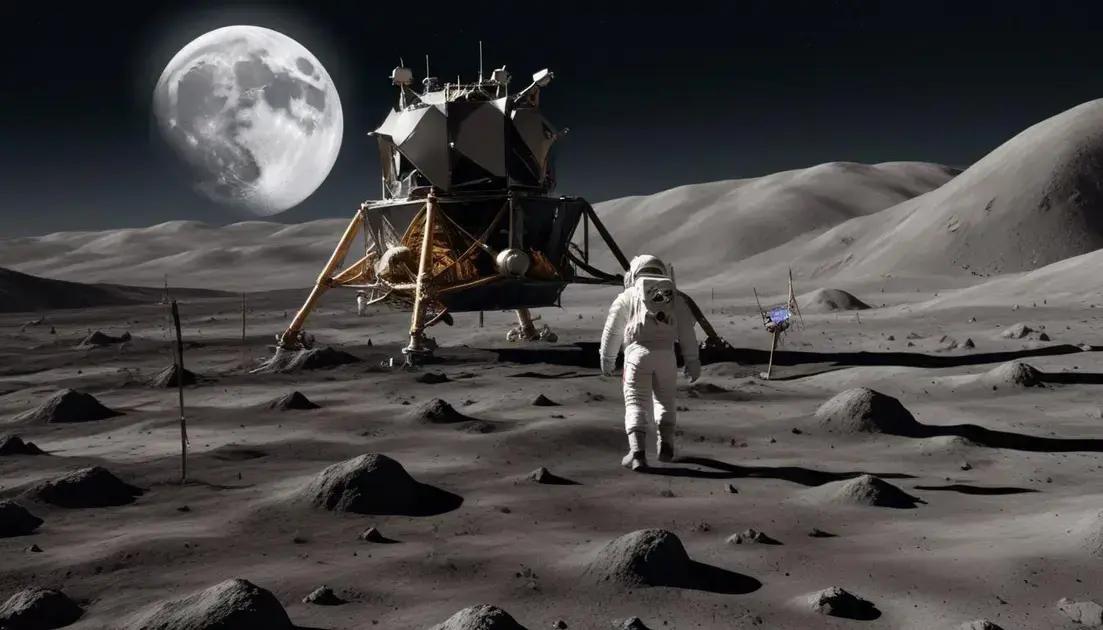
Another key moment came in 1969. NASA’s Apollo 11 mission landed astronauts on the Moon. Neil Armstrong and Buzz Aldrin made history as the first humans to walk on its surface. Their famous words, “That’s one small step for man, one giant leap for mankind,” inspired millions.
Pioneers of Space Exploration
The Pioneers of Space Exploration played crucial roles in shaping what we know today. These brave individuals dared to dream beyond Earth. Their adventures inspired people around the world.
One of the first pioneers was Yuri Gagarin. He was the first human to orbit Earth in 1961. His flight lasted about 108 minutes but changed history forever. Gagarin became an instant hero in the USSR.
John Glenn followed in his footsteps. In 1962, he became the first American to orbit the planet. His mission helped prove that America could also succeed in space. Many admired his courage and dedication.
Then there was Neil Armstrong. He made history in 1969 as the first person to walk on the Moon. His famous words, “That’s one small step for man, one giant leap for mankind,” still inspire us today.
These pioneers faced many dangers. They ventured into the unknown, often at great personal risk. Their work laid the groundwork for future generations of astronauts and scientists. Today, we continue to explore the cosmos thanks to their bravery and determination.
Technological Innovations
Technological innovations during the Space Race changed the world forever. Each breakthrough brought humans one step closer to exploring space. These advancements also had lasting effects on everyday life on Earth.
One major innovation was the development of powerful rockets. The Saturn V rocket, used in the Apollo missions, was a true engineering marvel. It could carry heavy payloads to the Moon, helping make lunar landings possible.
Another important advancement was the creation of miniaturized electronics. The use of smaller, lighter components allowed for better performance in spacecraft. This innovation laid the groundwork for modern computers and smartphones.
In addition, space missions led to improvements in materials science. New materials were made to withstand extreme temperatures and conditions found in space. These materials are now used in everyday products, like clothing and safety gear.
Moreover, innovations in communication technology were crucial. Satellite communications changed how we connect with each other. Today, we rely on satellites for everything from weather forecasts to global positioning systems (GPS).
Conclusion
Understanding the Space Race and its impacts helps us appreciate where we are today. The competition between the U.S. and the USSR led to incredible advancements in technology and exploration. It also inspired generations to pursue careers in science and engineering.
Looking back at major milestones, we see how far we’ve come. From launching the first satellite to landing on the Moon, each event shaped the future. These achievements were more than just national pride; they opened doors for global cooperation in space.
We’ve learned that exploration doesn’t stop at our atmosphere. Today, we aim for Mars and beyond. The spirit of curiosity that sparked the Space Race continues to drive innovation. As we look to the stars, we envision a future of endless possibilities.
Conclusion
In conclusion, the Space Race was a thrilling period that changed our world. The competition between the U.S. and the USSR pushed boundaries and led to incredible advancements in technology and exploration. These achievements not only marked historical milestones but also inspired countless individuals to pursue careers in science and engineering.
Today, we still benefit from the innovations sparked by this rivalry. From satellite communications to various technologies we use daily, the legacy of the Space Race remains strong. It reminds us of the importance of curiosity and collaboration in exploring the unknown.
As we set our sights on exploring Mars and beyond, the spirit of the Space Race continues to inspire future generations. Each new discovery opens doors to more possibilities, showing us that the adventure of space exploration is far from over.
Tags: