Bronze Age Collapse: the mystery that ended civilizations
The Bronze Age Collapse provides key insights into how interconnected civilizations can fall due to various factors like climate change, invasions, and economic decline. It teaches us the importance of adaptability, sustainable resource management, and preparedness for societal challenges. Understanding these lessons from ancient history can guide modern societies in creating resilient communities.
Have you ever wondered about the Bronze Age Collapse? This mysterious event reshaped the course of ancient history, leading to the decline of several powerful civilizations.
Understanding the Bronze Age
The Bronze Age was a significant period in history. It marked a time when humans began using metal tools and weapons made from bronze. This innovation changed how people lived and worked.
What was the Bronze Age?
The Bronze Age began around 3300 BC and lasted until about 1200 BC, varying by region. It followed the Stone Age, where tools were mainly made of stone. The discovery of bronze, an alloy of copper and tin, led to better tools and weapons.
Daily Life in the Bronze Age
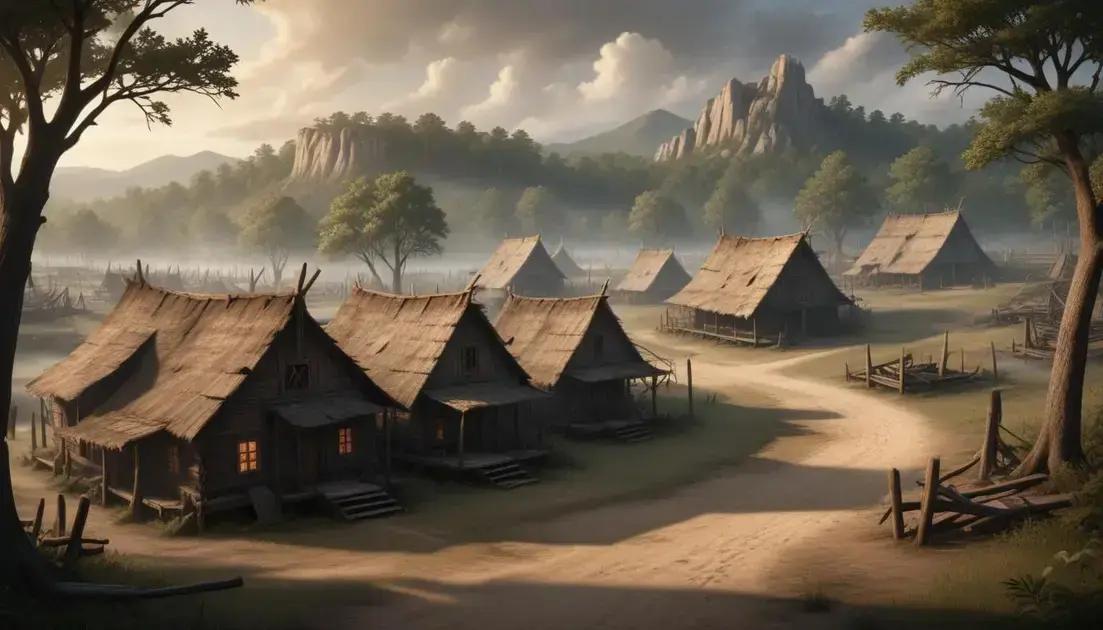
During the Bronze Age, people lived in organized communities. They built cities and developed trade systems. Farming grew more efficient with bronze tools, allowing for surplus food. This surplus helped support larger populations.
Art and culture flourished during this time. People created beautiful pottery, jewelry, and artwork. They also started writing, which helped keep records and share stories.
Major Civilizations
Several powerful civilizations emerged during the Bronze Age. These include the Sumerians, Egyptians, and Minoans. Each had its unique culture and advancements, contributing to trade and knowledge.
The Role of Trade
Trade was vital during the Bronze Age. Societies exchanged goods like metals, textiles, and food. This practice led to connections between different regions. It helped cultures share ideas, technology, and art.
Understanding the Bronze Age gives us insights into early human development. This period set the stage for future advancements and shaped the world as we know it.
Key Factors in the Collapse
The collapse of the Bronze Age was a complex event. Several key factors contributed to this decline. Understanding these factors helps us learn from the past.
Climate Change
One major factor was climate change. Around this time, many regions became drier. This affected farming and led to food shortages. These shortages caused stress on societies.
Invasions and Warfare
Another important factor was invasions. Groups like the Sea Peoples attacked cities and disrupted trade. This made it hard for civilizations to survive. Warfare weakened many regions and led to instability.
Economic Decline
Economic issues also played a role. Trade networks began to fall apart. As trade declined, materials and resources became scarce. This hurt economies and made it tougher for people to live.
Political Instability
Political instability was another key issue. Many powerful kingdoms faced internal struggles. Leadership conflicts often led to chaos and weakened control over territories.
These factors combined created a perfect storm. The Bronze Age Collapse reminds us how interconnected societies are. Small changes can lead to significant consequences that can reshape history.
Impact on Ancient Civilizations
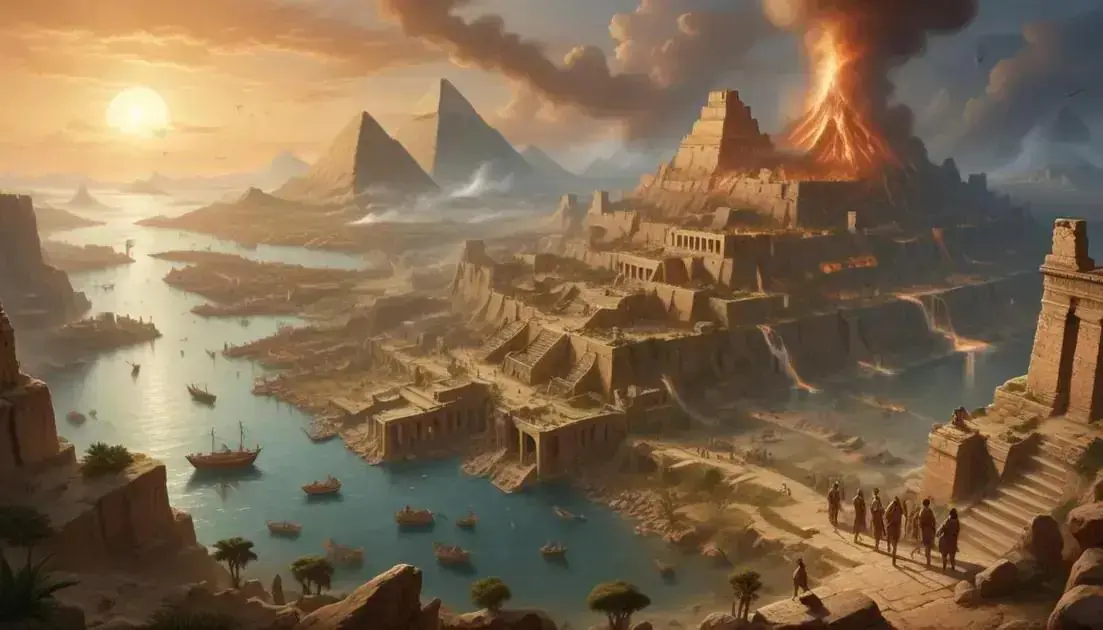
The Bronze Age Collapse had a major impact on ancient civilizations. Many societies experienced profound changes during and after this time.
Decline of Powerful Kingdoms
First, several powerful kingdoms weakened or disappeared. Civilizations like the Hittites and Mycenaeans faced destruction. These losses left large gaps in trade and culture.
Social Changes
Social structures also shifted. People fled cities searching for safety. This migration often led to smaller, less organized communities. Many skills and knowledge were lost during this period.
Trade Disruption
Trade routes that connected various civilizations broke down. This disruption affected economies everywhere. The exchange of goods like metals, textiles, and food became rare. It slowed cultural and technological progress.
Rise of New Cultures
In the aftermath, new cultures began to emerge. Some groups adapted and rebuilt their societies. They used what they learned from the Bronze Age to create new systems.
These shifts shaped the future of human history. Understanding the impact of this collapse helps us see how interconnected ancient civilizations really were.
Theories and Speculations
The Bronze Age Collapse has sparked many theories and speculations. Scholars have different ideas about why this significant event happened.
Multiple Causes Theory
One popular theory suggests that multiple causes led to the collapse. This view holds that climate change, invasions, and economic decline all played a role. Each factor combined to create a perfect storm of problems.
Natural Disasters
Another theory focuses on natural disasters. Some believe earthquakes and droughts might have triggered societal collapse. Such disasters could have disrupted food supply and led to massive migrations.
Cultural Changes
Some scholars argue that cultural shifts contributed to the decline. As societies grew and changed, they faced new challenges. New ideas and practices sometimes led to conflicts and instability.
Technological Factors
Technological changes may have also played a part. For example, the development of iron tools changed warfare. Societies dependent on bronze faced difficulties as others adapted and improved.
These theories show that the Bronze Age Collapse is a complex topic. Understanding the various ideas helps clarify how interconnected and fragile ancient societies were.
Lessons Learned from History
The Bronze Age Collapse offers valuable lessons for us today. It shows the importance of resilience and adaptability in societies.
Importance of Adaptability
One important lesson is the need to adapt. Ancient civilizations that couldn’t change faced decline. Flexibility can help groups survive hard times and challenges.
Interconnectedness of Societies
This collapse also highlights how interconnected societies are. The fall of one civilization can impact others nearby. Trade, culture, and resources link communities in complex ways.
Sustainable Resource Management
Additionally, we learn about resource management. Overuse of resources can lead to big problems. Sustainable practices are important for long-term survival and health.
Preparedness for Change
Finally, the need for preparedness stands out. Societies must plan for possible disruptions. Understanding risks helps communities create strategies to deal with unexpected events.
These lessons remind us that history provides insights into our future. By studying the past, we can build stronger, more resilient societies.
Conclusion
In conclusion, the lessons from the Bronze Age Collapse remind us of the importance of adaptability, interconnectedness, and sustainability. Ancient civilizations faced challenges that can teach us valuable insights for modern society. By learning from their experiences, we can develop strategies to handle our current issues.
We must embrace change, understand our connections with others, and manage our resources wisely. Preparing for unforeseen events will help us build stronger and more resilient communities. History shows us the paths taken, both good and bad. It’s up to us to apply these lessons for a better future.