The first great library of human history
The first great library, often linked to Alexandria, was crucial in preserving ancient knowledge through thousands of tablets. These tablets recorded diverse information about life, governance, and culture, making them vital for understanding past civilizations. By uncovering this ancient wisdom, we connect with the history of learning and emphasize the importance of libraries in education today.
Ancient knowledge has always been the key to understanding our past. Imagine stepping into a world where thousands of tablets contain secrets of civilizations long gone. Are you ready to discover what they reveal?
What is the Great Library?
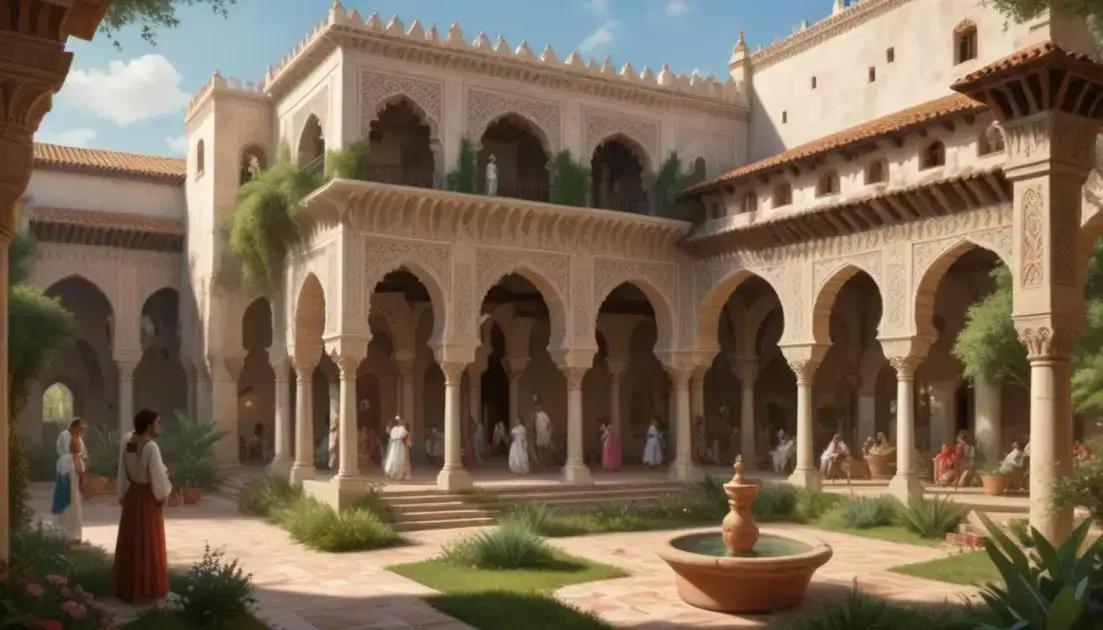
The Great Library, often called the Library of Alexandria, was a remarkable center of learning in ancient times. It was located in Alexandria, Egypt. This library aimed to collect all of the world’s knowledge. Scholars from around the Mediterranean came here to study and share ideas.
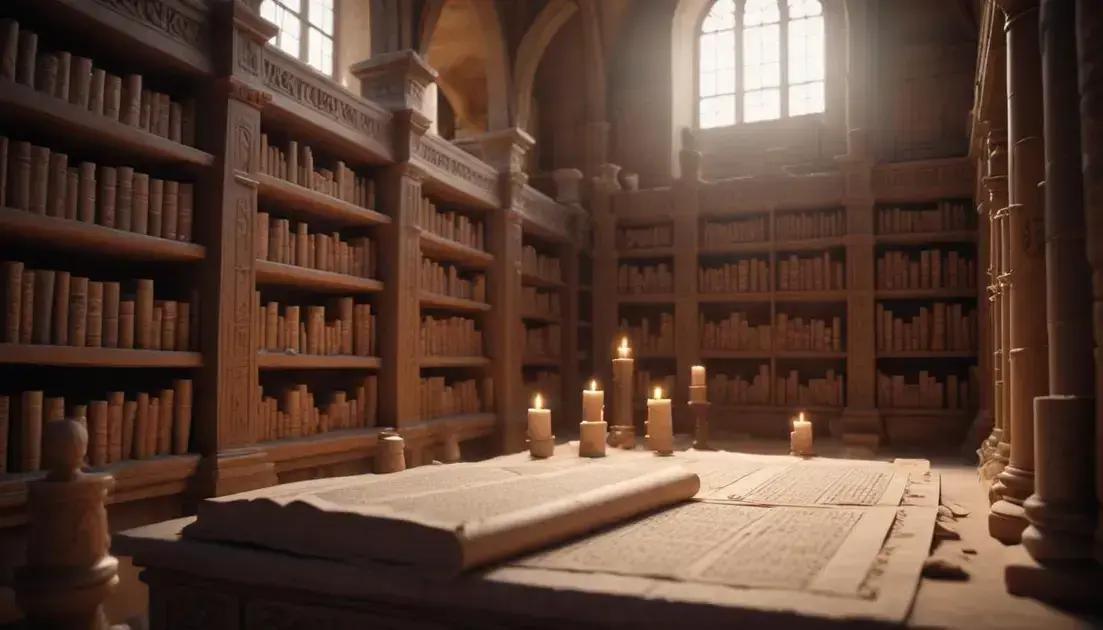
Imagine long rows of scrolls and tablets, each holding secrets of the past. The library housed works from poets, scientists, and philosophers. These texts included all sorts of topics, from literature to mathematics.
One exciting feature of the Great Library was its vast collection of papyrus scrolls. These scrolls were written in various languages, reflecting a rich cultural mix. Scholars spent their days reading, copying, and discussing these important texts.
The Great Library was not just a place to store knowledge. It was also a space for collaboration and innovation. People gathered here to debate ideas and push the boundaries of understanding.
Sadly, the library was lost to time, often due to wars and fires. However, it remains a symbol of the pursuit of knowledge. The legacy of the Great Library inspires us to continue exploring and learning every day.
The Importance of Ancient Tablets
Ancient tablets are key to understanding our history. They were used to record important events, laws, and stories. These tablets often held the wisdom of past civilizations.
Many ancient tablets were made of clay. They were inscribed with cuneiform or hieroglyphics. This writing captured everything from daily life to religious beliefs. Each tablet is like a time capsule, showing us how people lived.
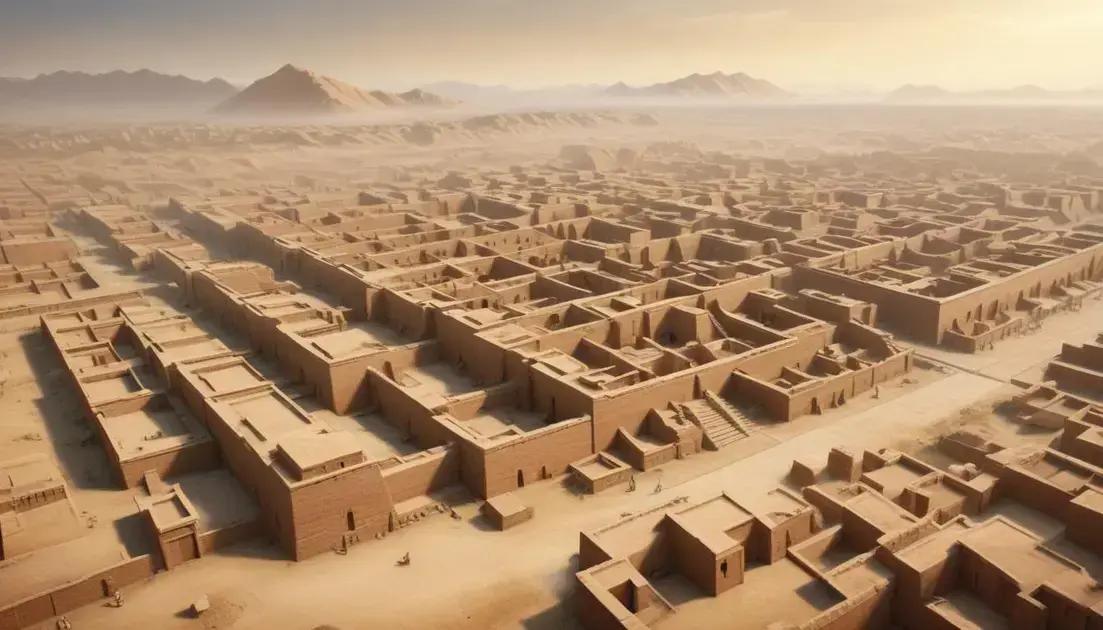
By studying these tablets, we learn about cultures that existed thousands of years ago. They offer insights into art, science, and governance. For example, tablets from Mesopotamia help us understand early forms of writing and math.
Ancient tablets also play a vital role in preserving language. They give us clues about how languages evolved. Some tablets are the oldest examples of written language, telling stories that shaped human thought.
Scholars and archaeologists work hard to decode these texts. Every translation reveals new knowledge. This makes ancient tablets priceless treasures for historians and researchers.
Uncovering the Ancient Knowledge
Uncovering ancient knowledge is like solving a mystery. It takes time and careful work. Archaeologists and historians look for clues in old texts and artifacts. Ancient tablets are often the key to these discoveries.
These tablets hold valuable insights into cultures and their beliefs. They can reveal how people lived, what they valued, and even their daily routines. Reading them is exciting, as it shows us the thoughts of people from long ago.
Each discovery can change what we think we know. For example, a recently found tablet might change the story of a civilization. It could reveal new kings or important events that were previously unknown.
Researchers use modern technology to help decode these texts. Tools like laser imaging and 3D scanning bring more detail to the surface. This makes it easier to read faded inscriptions that might be hard to see.
As we unveil ancient knowledge, we build a bridge to the past. This connection helps us learn about our own lives and how we got here. Embracing this knowledge can inspire curiosity and wonder.
Conclusion: The Legacy of the First Library
The legacy of the first library continues to shape our understanding today. It was more than just a place to store books. It was a gathering spot for scholars and thinkers. Here, knowledge was shared and advanced.
Libraries like the Great Library of Alexandria set the stage for modern learning. They inspired the idea that all knowledge should be accessible to everyone. This idea still matters in our world today.
As we explore the past, we can see how ancient libraries influenced education. They taught us the value of preserving knowledge for future generations. This practice helps keep history alive.
Now, we have libraries in many forms—physical and digital. Each serves to connect us with the knowledge of those who’ve come before us. Learning from their insights enriches our lives.
By cherishing the legacy of ancient libraries, we honor the pursuit of knowledge. It encourages us to keep exploring, questioning, and expanding our horizons.
Conclusion
In conclusion, the legacy of ancient libraries, especially the first library, continues to inspire us today. These spaces were not just about storing knowledge; they were about sharing ideas and learning from one another. By studying ancient tablets and texts, we unlock a treasure trove of wisdom that helps us understand our past.
As we reflect on the importance of these libraries, we recognize their role in shaping education and the preservation of knowledge. They remind us that learning is a lifelong journey. Whether through physical libraries or digital resources, the spirit of inquiry thrives.
By cherishing the lessons from our history, we commit ourselves to exploring, questioning, and expanding our minds. This pursuit of knowledge enriches our lives and the lives of future generations. Let us honor the legacy of ancient libraries by continuing to seek out and share knowledge in any form we can.