Minoans: the mysterious civilization of the Aegean
The Minoan civilization, known for its rich art, advanced architecture, and impactful trade, significantly influenced ancient Greek culture. Their colorful frescoes and unique palatial designs set a standard for future societies. The mysterious decline of the Minoans, attributed to natural disasters, invasions, and economic changes, remains a topic of intrigue. Understanding their legacy helps us appreciate their lasting contribution to history and modern culture.
The Minoans were a remarkable civilization that thrived in the Aegean, captivating historians with their sudden disappearance. Have you ever wondered how such an advanced society vanished?
The Rise of the Minoan Civilization
The Minoan civilization began around 2000 BC on the island of Crete. They were among the first advanced societies in Europe. The Minoans were known for their stunning palaces and vibrant culture. Their capital, Knossos, was a hub of activity and creativity.
Life in Minoan Society
Minoans enjoyed a rich lifestyle. They excelled in crafts, such as pottery and jewelry making. Their art featured colorful frescoes that depicted everyday life, nature, and religious ceremonies. This shows their appreciation for beauty and detail.
Trade and Economy
The Minoans thrived on trade. They exchanged goods with other cultures, such as Egypt and the Near East. This not only brought wealth but also new ideas and technologies. Their strong navy helped protect their trade routes.
Religious Practices
Religion played a big role in Minoan life. They worshiped many gods, often connecting them to natural forces. Shrines were found in homes and larger places like palaces. These spaces were used for rituals and offerings to please the deities.
Innovations and Contributions
The Minoans contributed significantly to future civilizations. Their writing system, called Linear A, is still not fully understood today. The Minoans also influenced later cultures in Greece, particularly in art and governance.
Unique Art and Architecture
The art and architecture of the Minoan civilization are truly unique. They are known for their beautiful frescoes, pottery, and sculptures. Minoan art often showed scenes from nature, daily life, and rituals. These works were colorful and vibrant, making their spaces come alive.
Frescoes and Wall Paintings
Minoan frescoes covered the walls of palaces and homes. They depicted lively scenes like dancing, hunting, and marine life. The colors used were bright, using natural dyes from plants and minerals. These artworks tell us a lot about Minoan life and beliefs.
Palatial Architecture
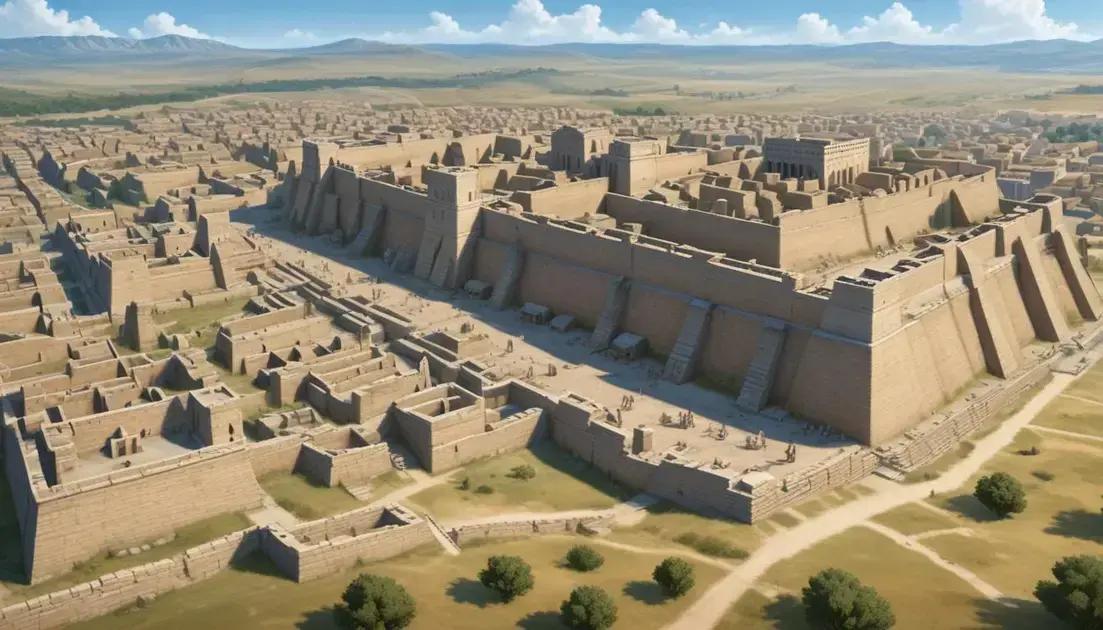
Minoans built large palaces with complex designs. The most famous is Knossos, which had many rooms and elaborate layouts. These palaces featured open courtyards, storage areas, and shrines. The use of light wells helped to brighten the indoor spaces.
Use of Columns
Unique columns set Minoan architecture apart. They were wider at the top than at the bottom, creating a distinctive look. These columns supported roofs and were often painted in bright colors. Their design showed creativity and an understanding of structure.
Religious Symbols in Art
Minoan art often included religious symbols. Images of bull leaping and goddess figures can be found in their works. These symbols indicate their deep connection to spirituality. The art served both decorative and religious purposes.
Trade and Influence in the Ancient World
The Minoan civilization was a major player in trade during ancient times. They developed a thriving economy based on trade with other cultures. Their location in the Aegean Sea made them a central hub for exchange.
Trade Routes
Minoans established trade routes across the Mediterranean. They exchanged goods such as pottery, textiles, and olive oil. Their ships were well-built and allowed them to travel far and wide.
Connections with Other Cultures
Minoans traded with societies in Egypt, the Near East, and even the Italian Peninsula. These interactions brought new ideas and styles to their own culture. Many artifacts show influences from these regions.
Luxury Goods
As trade grew, so did the demand for luxury items. Minoans exported finely crafted jewelry and elaborate pottery. They imported precious metals and valuable goods from other lands.
Impact on Economy and Society
Trade helped the Minoan economy flourish. Wealth from commerce allowed them to build grand palaces and create beautiful art. It also supported a complex society with different classes and roles.
The Mysterious Disappearance
The Minoans mysteriously disappeared around 1450 BC. This sudden decline has puzzled historians for years. Several theories explain the possible reasons behind their vanishing.
Natural Disasters
One popular theory points to natural disasters. A massive earthquake may have struck Crete, damaging their cities. Additionally, volcanic eruptions could have caused environmental changes that affected agriculture.
Invasion Theories
Another theory suggests that invasions led to their downfall. Some believe that the Mycenaeans from mainland Greece attacked. They might have taken control of Minoan trade and resources.
Economic Decline
Economic troubles might also be a reason for their disappearance. As trade routes shifted, Minoans lost wealth and influence. This loss could have weakened their society and led to unrest.
Cultural Changes
Changes in culture might have played a role. As they interacted with other civilizations, their identity could have faded. Merging with others may have diluted their unique customs and practices.
Legacy of the Minoans
The legacy of the Minoans continues to influence many aspects of modern culture. Their art, architecture, and trade practices have inspired countless generations. Minoan innovations remain significant even today.
Influence on Greek Culture
The Minoans laid the groundwork for later Greek civilizations. Their art and religious practices were adopted and adapted by the Mycenaeans. This helped shape ancient Greek culture, which is still studied and admired.
Architectural Innovations
Minoan architecture showcased advanced building techniques. Their palaces featured open spaces and complex layouts. Such designs influenced later Greek architecture, especially in monumental buildings.
Artistic Contributions
Art from the Minoan civilization is renowned for its beauty. The colorful frescoes and pottery pieces are celebrated for their detail and style. These artistic traditions set a standard for future cultures in the region.
Trade Influence
The Minoans were pioneers in trade across the Mediterranean. Their practices established networks that connected different cultures. This legacy of commerce continued to develop and grow in subsequent civilizations.
Conclusion
In conclusion, the Minoan civilization left a rich legacy that still inspires us today. Their unique art, advanced architecture, and vibrant trade practices greatly influenced ancient Greek culture. Minoans set the stage for future societies by sharing their creativity and innovations.
Understanding their contributions helps us appreciate how they shaped history. From their colorful frescoes to the complex designs of their palaces, every aspect of their culture reflects a remarkable civilization. Today, their inspiration can be seen in many areas, reminding us of the lasting impact of the Minoans.