Bushido: the moral code of Japan’s samurai
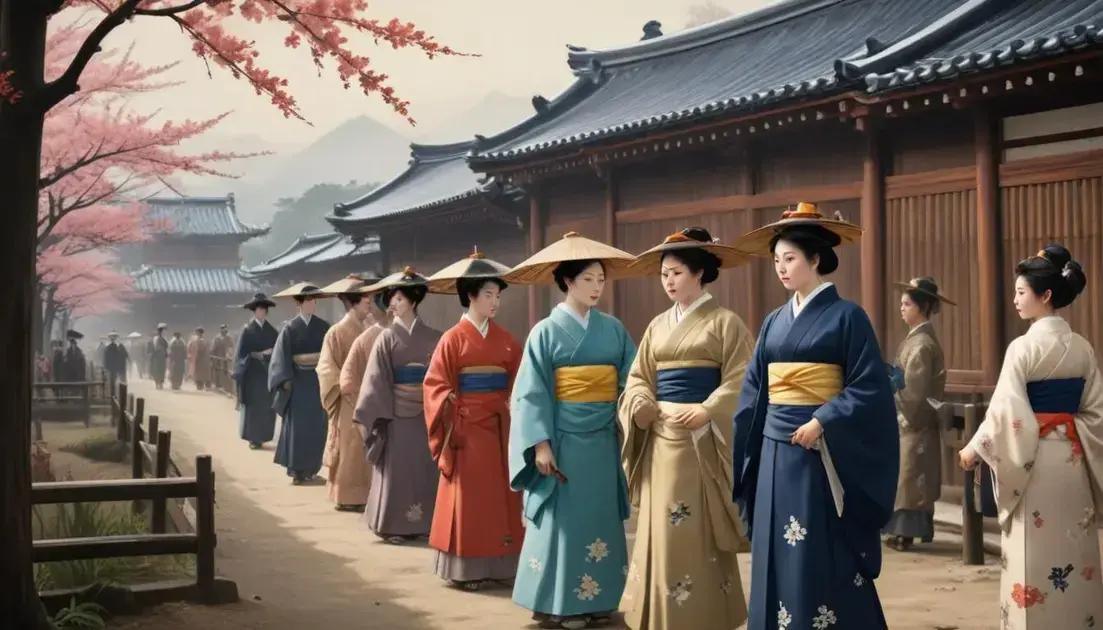
The legacy of samurai culture is deeply rooted in Japan, characterized by values such as honor, respect, and discipline. This influence is evident in various aspects of modern society, including arts, literature, and martial practices. Samurai traditions continue to inspire people today, reflecting a commitment to self-improvement and moral conduct that bridges historical and contemporary cultures.
Bushido isn’t just a code, it’s a way of life! This moral compass shaped the samurai’s values and principles. Curious about how it influences Japan even today?
The Origins of Bushido
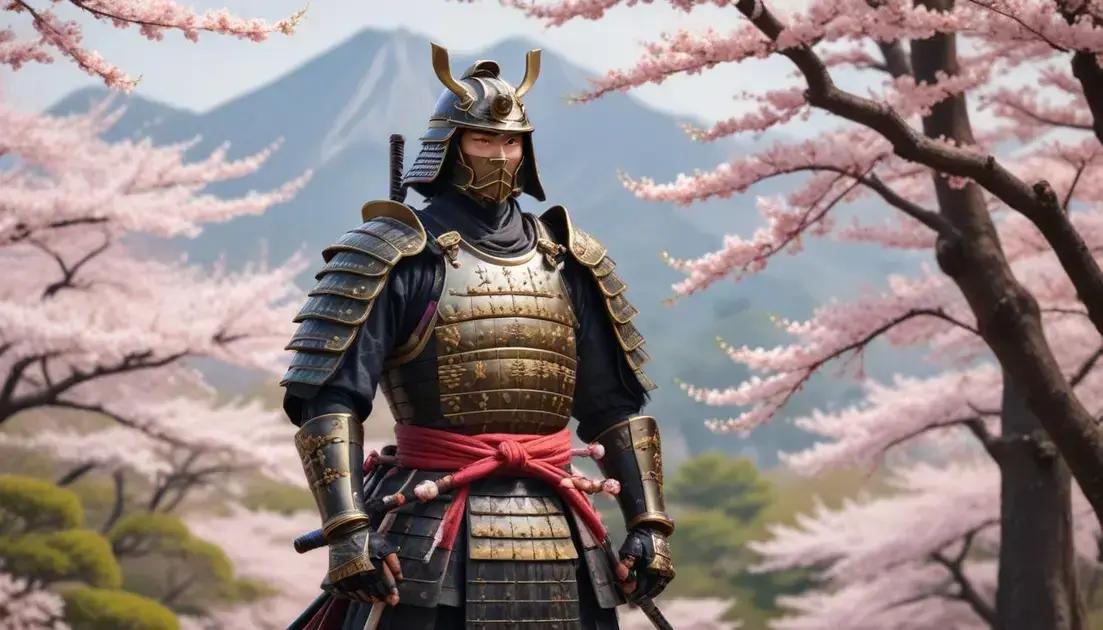
The origins of Bushido trace back to the samurai warriors of Japan. These warriors followed a strict moral code that shaped their actions. It promoted values like honor, loyalty, and courage.
Originally, the term “Bushido” means “the way of the warrior.” This code developed during the feudal era. Samurai were expected to serve their lords with absolute loyalty.
Early Influences
Many factors influenced Bushido’s rise. Confucianism played a major role, emphasizing duty and respect. Buddhism contributed a sense of inner peace and mindfulness.
Samurai Training
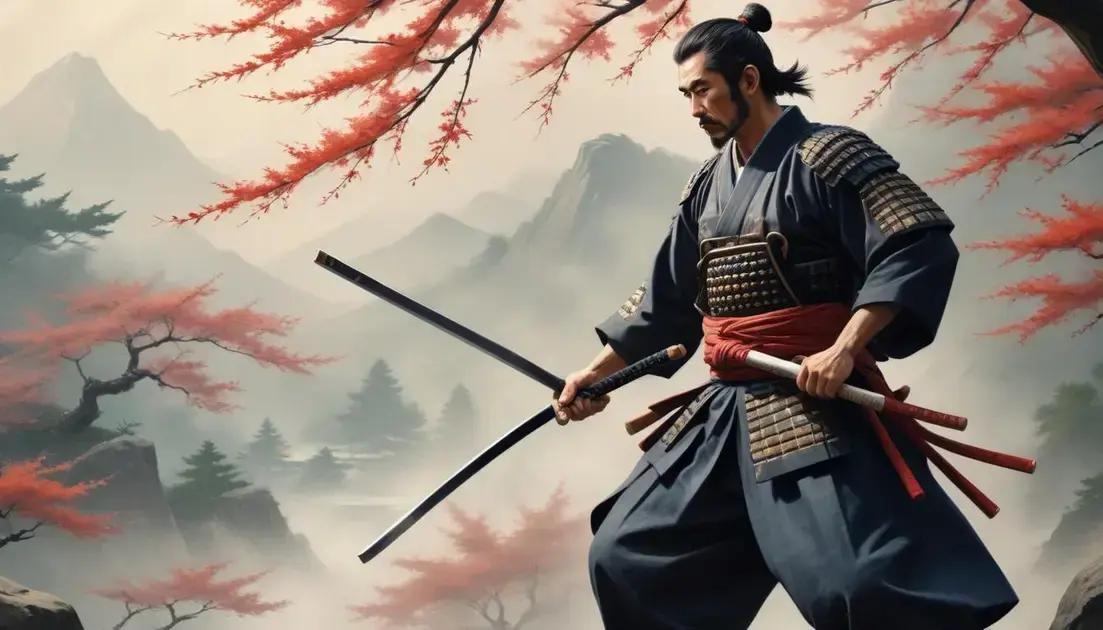
Training to become a samurai was serious work. Young boys started their training early. They learned not just about fighting, but also about character and ethics.
Samurai believed that mastering their skills required discipline. They practiced martial arts and weapon training consistently. This hard work reflected their commitment to the Bushido way.
Writing and Literature
As time went on, literature started to shape Bushido. Several famous texts outlined the expectations of samurai. These writings explained their responsibilities to serve, protect, and uphold justice.
Through stories and teachings, the essence of Bushido spread among warriors. This way of life didn’t just stay with samurai; it found its way into Japanese culture.
Long-Lasting Impact
Today, the roots of Bushido can still be seen. Its ideals continue to inspire many in Japan and beyond. The focus on honor, loyalty, and courage remains relevant even in modern times.
Key Principles of the Samurai Code
The key principles of the samurai code are vital to understanding Bushido. These values shaped the lives of samurai throughout history. Let’s explore some of the main ideas.
Honor
Honor is the foundation of Bushido. For samurai, honor meant everything. They always acted in ways that reflected their worth and respected their families.
Loyalty
Loyalty was another key principle. Samurai pledged their loyalty to their lords. This bond was unbreakable, and they would protect their leaders at all costs.
Courage
Courage is a vital part of being a samurai. They faced dangers without fear and stood up for what they believed in. This bravery allowed them to fight for justice.
Respect
Respect played a big role in samurai life. They showed respect to others, including foes and mentors. Samurai understood that everyone deserved kindness.
Protection
Samurai were not just warriors. They were protectors of the people. Their duty was to defend those who needed help and ensure peace in their lands.
Self-Discipline
Self-discipline was crucial for samurai. They trained hard to master their skills and stay in shape. This commitment helped them perform their duties well.
Each of these principles guided samurai in their daily lives. They reflect the heart of Bushido and continue to influence Japanese culture today.
The Influence of Bushido on Modern Japanese Society
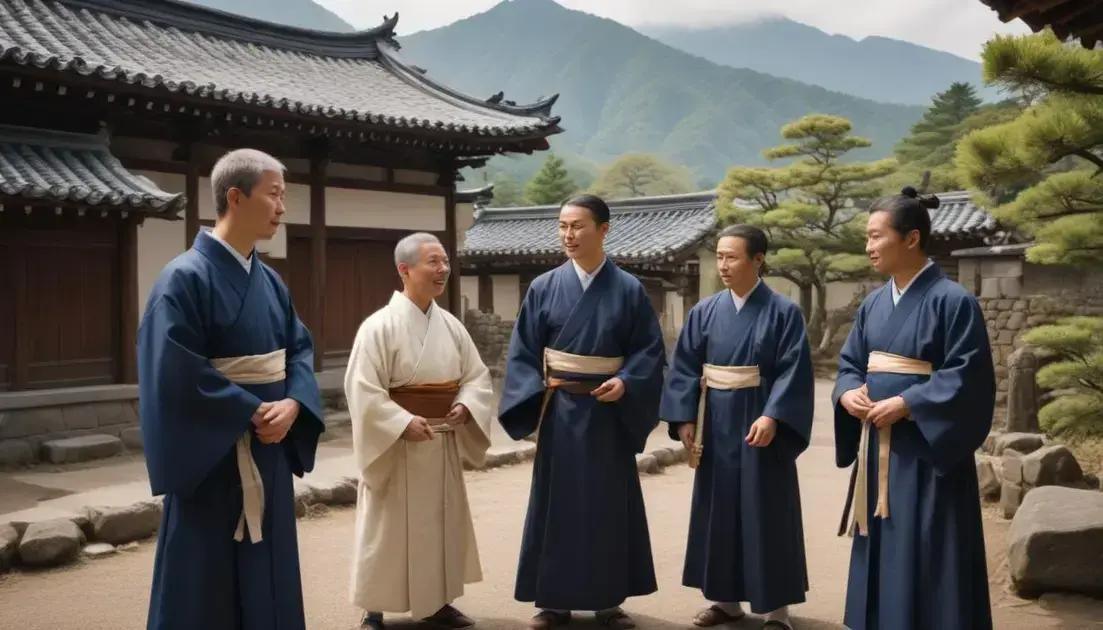
The influence of Bushido on modern Japanese society is quite significant. Many people in Japan still hold samurai values in high regard. These values shape everyday life and culture.
Respect and Etiquette
Respect is a core value from Bushido. It’s seen in everyday interactions. People greet each other politely and show gratitude. This sense of respect extends to their work and relationships.
Education and Discipline
Discipline learned from samurai training appears in schools. Students are taught to be responsible and work hard. This focus encourages personal growth and self-improvement.
Martial Arts
Many modern Japanese still practice martial arts. These practices reflect principles of Bushido. They teach respect, self-control, and focus, which are essential traits in life.
Leadership and Service
In business, samurai principles influence leadership styles. Many leaders prioritize service and loyalty to their teams. This helps create strong, dedicated work environments.
Pop Culture and Media
Bushido also shapes Japanese pop culture. Movies, manga, and anime often feature samurai codes. These stories inspire new generations and keep the samurai spirit alive.
The values of Bushido have not faded. They continue to impact the way people live, work, and interact in Japan today.
The Legacy of Samurai Culture
The legacy of samurai culture is rich and profound. Samurais have left a lasting mark on Japan and the world. Their values and traditions continue to inspire many.
Art and Aesthetics
Samurai culture influenced art and aesthetics in Japan. Traditional crafts, like pottery and calligraphy, often reflect their dedication and precision. The beauty of these arts showcases the samurai spirit.
Literature and Philosophy
Many samurai wrote poetry and stories. Their writings often explore themes of honor and duty. This literature gives insight into their thoughts and beliefs, enriching Japanese culture.
Martial Arts
The samurai’s commitment to martial arts lives on. Many modern martial arts, like kendo and aikido, trace their roots back to samurai training. These disciplines teach respect, discipline, and self-control.
Spiritual Practices
Samurai often practiced Zen Buddhism. This spiritual path helped them find peace and focus. Zen still influences many Japanese people today in various aspects of life.
Cultural Icons
Samurai are iconic figures in Japanese history and pop culture. Movies, games, and anime frequently depict them. These representations keep the samurai legacy alive for new generations.
Overall, samurai culture remains an essential part of Japan’s identity. Its influence can be seen in art, philosophy, and modern practices, bridging the past and present.
Conclusion
In conclusion, the legacy of samurai culture continues to shape Japan today. The values of honor, respect, and discipline still resonate with many people. From art to martial arts, the samurai spirit lives on in modern society.
Moreover, the influence of samurai on literature and philosophy teaches us about duty and loyalty. Their traditions inspire both individuals and communities. Embracing this legacy helps us understand and appreciate Japanese culture.
As we explore the impact of samurai culture, we see that it connects the past with the present. This connection enriches our understanding of not just Japan, but also the universal themes of courage and integrity.