Troy: myth, archaeology, and the search for truth
The Myth of Troy is a captivating blend of history and legend that continues to influence modern culture. Through archaeological discoveries, we learn about the ancient city and its epic tales featuring heroic figures like Achilles. Various adaptations in literature, film, and art showcase its timeless themes of love, betrayal, and honor, making the myth relevant today. Modern interpretations provide fresh perspectives, highlighting how the lessons from Troy resonate with contemporary audiences. Overall, this enduring myth enriches our understanding of history and storytelling.
Troy is a city entwined with legend and history, its name evoking images of ancient warriors and epic tales. But what is the truth behind this mythical place?
The Myth of Troy
The Myth of Troy captivates many because it’s more than just an old story. It’s a blend of history and legend that has echoed through time. The tales of brave heroes like Achilles and the famous Trojan Horse fuel our imagination.
Many believe Troy was a real place, tied to the epic poem, the Illiad. This poem tells how Greek heroes went to war to rescue Helen, who was taken by Paris from Troy. This legendary conflict gave birth to countless stories and lessons that we still value today.
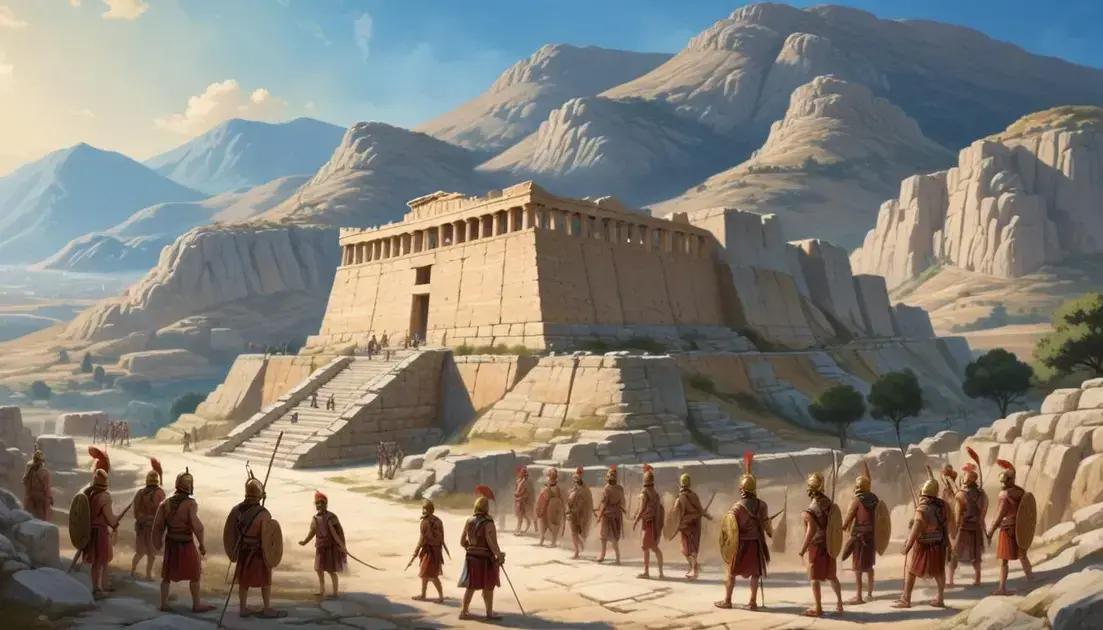
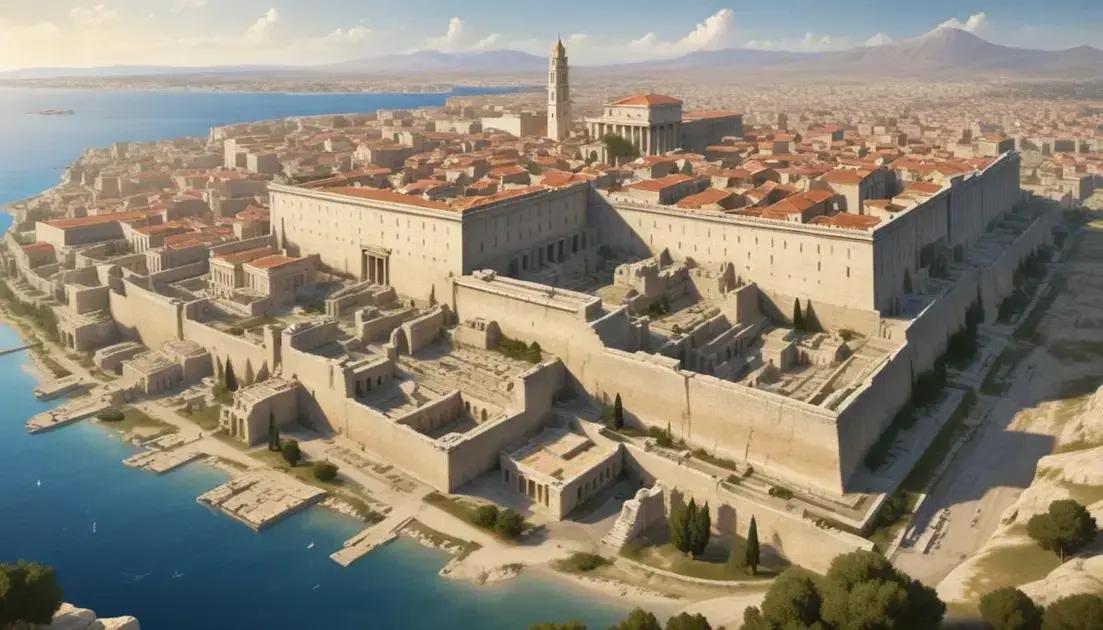
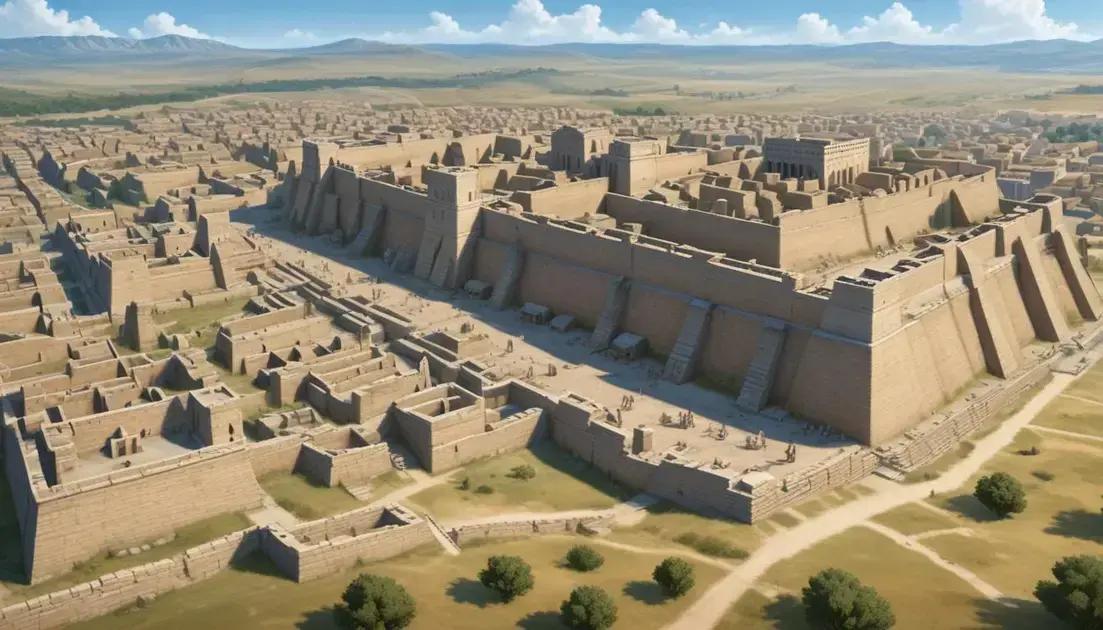
Some people think the story was just that—a story. But archeologists have discovered ruins that might be Troy’s remains. Excavations at sites like Hisarlik in Turkey show layers of destruction and rebuilding. This suggests that a place called Troy faced many battles.
Others argue that while the city may have existed, the details of the myth have grown over time. Each telling adds its own twist, making the truth blur. Legends often serve to teach us about courage, loyalty, and the price of war.
Whether fact or fiction, the Myth of Troy continues to inspire books, movies, and art. It reminds us that stories have the power to shape our views and connect us to the past.
Archaeological Discoveries
Archaeological discoveries have played a huge role in understanding the Myth of Troy. These findings show us what life might have been like in ancient times. For years, many thought Troy was just a fiction. However, excavations in Turkey opened new doors.
In the late 1800s, a man named Heinrich Schliemann began digging at a site called Hisarlik. He believed this site matched the location of Troy. His work uncovered walls, homes, and treasures that hinted at a powerful city.
Each layer of soil revealed different periods of time. Some showed signs of destruction from war. Others indicated rebuilding and growth. This cycle shows the resilience of the city and its people.
More recent digs have found even more artifacts. Tools, pottery, and jewelry highlight daily life in Troy. They help us imagine what people wore and how they lived. Artifacts tell stories of trade and interaction with nearby cultures.
These archaeological findings are not just stones and bones. They connect us to a world long gone. They add depth to the Myth of Troy, making it more than just a tale. Each discovery fuels curiosity about how history unfolds and shapes our understanding today.
The Search for Evidence
The search for evidence surrounding the Myth of Troy is a fascinating journey. Researchers and historians work hard to uncover clues that could confirm the city’s existence. Many want to connect the ancient stories to real history.
Archaeologists carefully study ancient texts and artifacts. They look for references to Troy in Greek literature, especially in the epic poems like the Illiad and the Odyssey. These texts often provide hints about the location and events surrounding the war.
Scientists also use technology to aid their search. Tools like ground-penetrating radar help detect hidden structures below the surface. This technology identifies areas worth digging into, saving time and effort.
Dating methods, like carbon dating, help determine the age of discovered artifacts. This information is crucial to understand if the items match the timeline of the Trojan War. Accurate dating helps confirm whether the stories align with historical events.
While evidence may be tough to find, discoveries continue to emerge. Each new find, like pottery or weapons, adds pieces to the puzzle. These items provide insight into the lives of Trojan people and their customs.
Ultimately, the search for evidence isn’t just about facts. It’s about unraveling the mysteries of the past. The ongoing quest keeps the story of Troy alive and thriving in our imaginations.
Cultural Impact
The cultural impact of the Myth of Troy is huge. This story has inspired countless works of art, literature, and films. The themes of love, war, and betrayal resonate with people of all ages.
Many writers and poets have drawn from the tales of Troy. For instance, Shakespeare and Homer both referenced the Trojan War. Their work reflects the enduring nature of these stories in human history.
Movies like “Troy” and “Helen of Troy” bring this ancient tale to modern audiences. They showcase the heroism and drama surrounding the conflict. These adaptations help keep the myth alive and relevant today.
Even in video games, the story appears frequently. Players engage with the characters and events that shaped Troy’s legacy. This interactive form adds a new layer to the cultural significance of the myth.
Moreover, the art inspired by Troy is remarkable. Paintings and sculptures capture the essence of the myths. They show heroic figures and dramatic battles, showcasing the creativity of artists through time.
In education, the Myth of Troy often serves to teach moral lessons. It explores themes like honor, loyalty, and the consequences of pride. These lessons remain important, helping people reflect on their values.
Modern Interpretations
Modern interpretations of the Myth of Troy take many forms. Artists, writers, and filmmakers often give fresh takes on this ancient story. Their creative work brings the tale to life in exciting ways.
One popular modern interpretation is through literature. Books like “The Song of Achilles” by Madeline Miller offer a new look at familiar characters. This novel retells the story from the perspective of Patroclus, Achilles’ friend. It adds emotional depth and highlights different themes.
In film, movies like “Troy” showcase epic battles and dramatic moments from the myth. They bring the ancient world to the screen, captivating new audiences. Although some details change, the core of the story still shines through.
Television series also explore the Myth of Troy. Shows like “Troy: Fall of a City” present the story in a serialized format. This allows for deeper character development and complex plot lines.
Modern adaptations often focus on themes relevant today. Issues like love, betrayal, and the effects of war resonate across time. These interpretations remind us that the lessons of Troy still matter in our lives.
Many artists find inspiration in the myth, creating visual art that reflects its themes. Paintings and sculptures often depict famous scenes, making the myth accessible to everyone.
Conclusion
In conclusion, the Myth of Troy remains a powerful story that has influenced many aspects of culture. From ancient texts to modern films and books, this tale continues to captivate audiences. The archaeological discoveries connected to Troy help bridge the gap between myth and history, giving us valuable insights into the past.
Modern interpretations bring fresh perspectives, highlighting themes that still resonate today. Love, betrayal, and honor are universal ideas that everyone can relate to, regardless of the time period. This timeless quality is what makes the Myth of Troy relevant in our lives.
As we explore the stories behind Troy, we remember the value of history and storytelling. These narratives shape our understanding of ourselves and our world. They teach us important lessons and inspire creativity. Whether through art, literature, or film, the legacy of Troy will continue to thrive for generations to come.