Spartacus: the gladiator who defied Rome
Spartacus is remembered as a significant figure in history for leading a major slave revolt against the Roman Empire. His life, marked by bravery and intelligence, inspired many throughout the ages. The revolt not only created fear among Romans but also affected their views on slavery. From films to social movements, Spartacus’s legacy of fighting for freedom continues to resonate, highlighting the ongoing struggle against oppression and injustice.
Spartacus wasn’t just a gladiator; he was a beacon of hope for countless enslaved people yearning for freedom. Have you ever wondered what drove one man to challenge the might of Rome?
The life of Spartacus: A brief background
Spartacus was born around 111 BC, likely in Thrace. He was a warrior and a soldier. After being captured, he became a slave. He was trained as a gladiator in Capua.
Gladiators and Their Training
Gladiators were fighters who battled in arenas for entertainment. They trained hard to prepare for the fights. Many gladiators hoped to win their freedom. But life was tough and dangerous.
In 73 BC, Spartacus led a group of gladiators in a breakout. They fought back against their captors and ran away. This was the start of a massive rebellion called the Third Servile War.
The Rebellion Begins
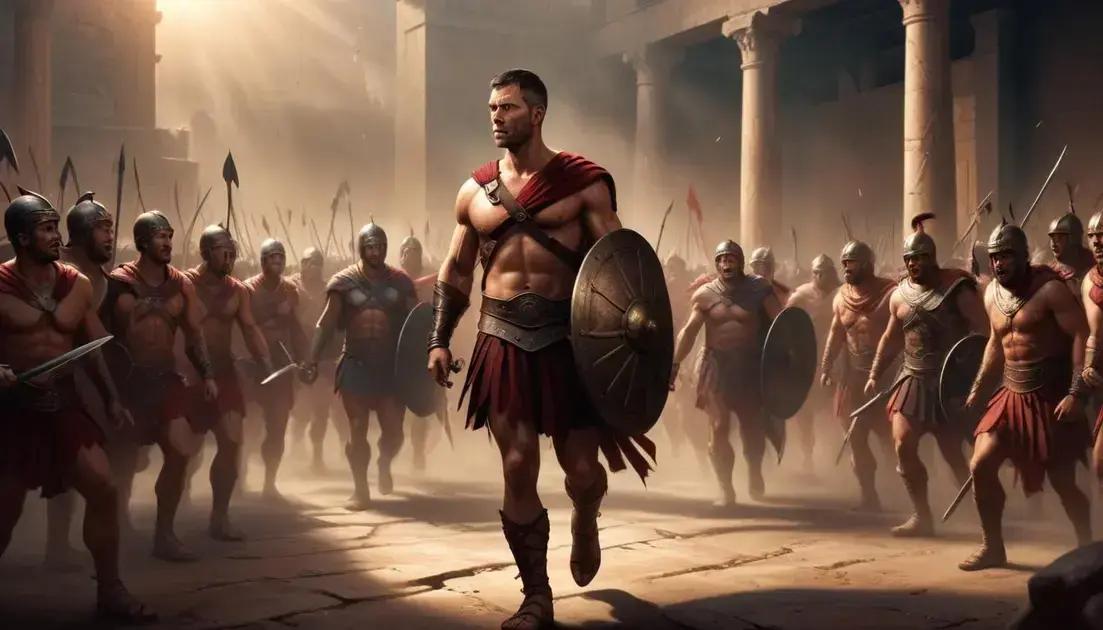
Spartacus gathered followers quickly. His charisma and leadership inspired others to join. Many slaves, farmers, and even some free men joined the cause. They wanted freedom from Rome’s control.
Spartacus was not just a fighter; he was also a brilliant strategist. He won several key battles against Roman forces. His actions shocked Rome and drew attention from across the empire.
The uprising: What ignited the rebellion?
The uprising began in 73 BC. Spartacus and other gladiators were tired of their harsh lives. They wanted freedom to choose their own paths. Life as a gladiator was brutal, and many felt like they had no control.
What Sparked the Rebellion?
It all started when Spartacus, along with about 70 other gladiators, escaped. They took advantage of a weak moment in their guards. As they fled, they attacked and defeated the guards guarding them.
Once free, they didn’t stop. Spartacus led his followers into the countryside. They gathered more slaves and allies eager to fight against Rome. This quickly turned into a full-scale revolt.
The Role of Other Leaders
Other leaders joined Spartacus during the uprising. Men like Crassus and Gnaeus Pompey would soon take notice. The rebellion grew larger and more powerful, with thousands now fighting for freedom.
As Spartacus and his army won battles, their fame spread. People from all walks of life joined in. They were fighting not just for themselves but for all enslaved people dreaming of freedom.
The battle strategies employed by Spartacus
Spartacus was not just a brave fighter; he was a clever leader. He used smart battle strategies to defeat Roman forces. His plan often focused on surprise and speed.
Guerrilla Tactics
One of Spartacus’s favorite methods was guerrilla warfare. This meant attacking quickly and then retreating before the enemy could respond. This caught the Romans off guard and made them look weak.
By choosing the right moment to strike, Spartacus gained many victories. His army grew as more people saw their chance for freedom.
Utilizing the Terrain
Spartacus also used the terrain to his advantage. He picked battle sites that favored his smaller forces. Weaving through mountains and forests helped his army stay hidden.
In one famous battle, Spartacus led his men through rough terrain. They surprised a larger Roman force. This surprise attack led to a significant victory and boosted morale.
Leadership and Unity
Spartacus inspired unity among his followers. He emphasized that they were fighting for a shared cause: freedom. His strong leadership kept the army motivated, even during tough times.
Leaders like Crassus learned to respect Spartacus’s intelligence on the battlefield. He challenged their strategies and proved that even the smallest army could fight back.
Impact of the revolt on Rome and its society
The revolt led by Spartacus shook Rome to its core. It was a wake-up call for the powerful Roman Empire. The people began to see that their control was not unbreakable.
Fear Among Roman Citizens
As the rebellion grew, fear spread among Roman citizens. They worried that more slaves would rise up. News of Spartacus’s victories made many feel insecure about their safety.
Many Romans saw the uprising as a threat to their way of life. They began to question their treatment of slaves. The fear of losing power changed some attitudes regarding slavery.
Military Reactions
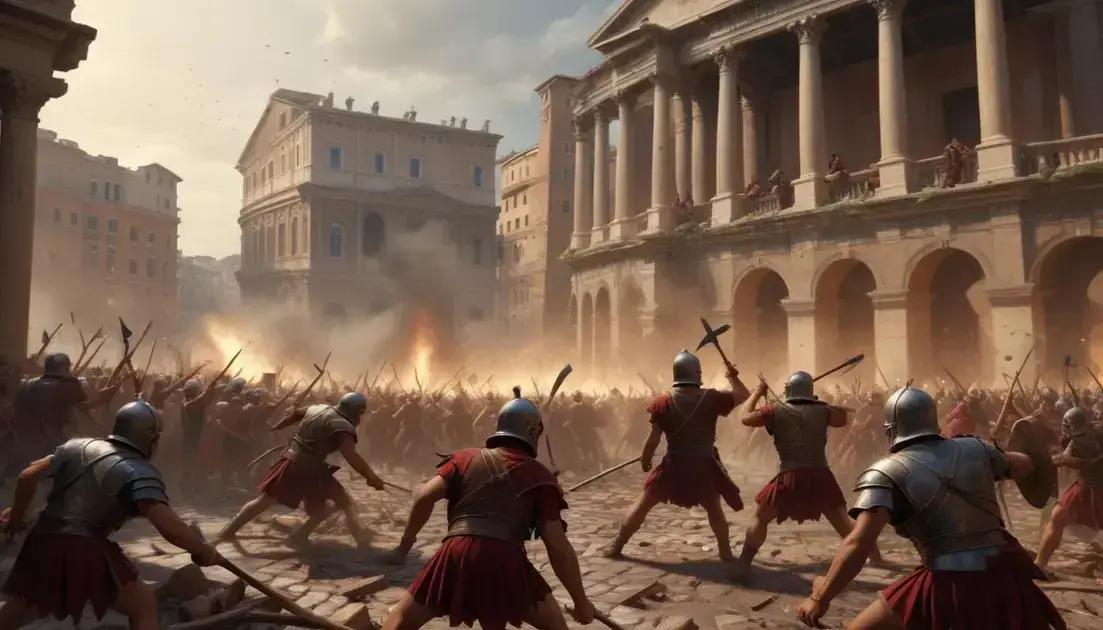
In response to the revolt, Rome sent large armies to crush Spartacus and his forces. Generals like Crassus were tasked with ending the rebellion quickly. The battle for control became fierce.
These military actions showed the Roman response to threats. They were not willing to lose their grip on power. It also revealed the reality of how the empire treated its enslaved people.
Long-term Changes in Society
The revolt influenced Rome’s future policies. After the uprising, Romans began to rethink the role of slaves in their economy. Some reforms were introduced, but change came slowly.
The legacy of Spartacus lived on, inspiring many throughout history. His fight for freedom resonated beyond his time. It became a symbol of resistance against oppression.
Legacy of Spartacus through the ages
The legacy of Spartacus has lived on for centuries. His story continues to inspire people around the world. Many see him as a symbol of freedom and resistance.
Spartacus in Popular Culture
Spartacus’s influence can be seen in movies, books, and TV shows. Films like “Spartacus” (1960) brought his story to a new audience. These works highlight his courage and fight against oppression.
Documentaries and historical novels have also explored his life. They remind us of the struggles faced by enslaved people throughout history.
Inspiration for Future Movements
Spartacus’s revolt inspired many social movements. Activists have pointed to his fight against injustice. His spirit lives on in those who stand up for their rights.
From civil rights to anti-colonial movements, Spartacus symbolizes the fight for freedom. Many have drawn strength from his story in their quests for justice.
Commemoration and Rememberance
Many places honor Spartacus with statues and memorials. These remind us of his role in history. Schools and universities teach about his impact, keeping his legacy alive.
Spartacus is more than just a figure from the past. His lessons on courage and resistance remain relevant today.
Conclusion
In conclusion, Spartacus’s story is not just a tale of rebellion but a lasting symbol of freedom and courage. His fight against oppression has inspired many generations. From movies to social movements, his legacy continues to motivate people striving for justice.
Understanding Spartacus’s impact helps us appreciate the struggles for freedom around the world. His spirit encourages us to stand up against injustice and fight for our rights. Remembering his legacy reminds us that the fight for freedom is ongoing.
Ultimately, Spartacus teaches us that anyone can rise against oppression. His story is a powerful reminder that courage can change the world.
Tags: