Gladiators: the fighters who entertained an empire
Gladiators in ancient Rome were fascinating figures who fought in arenas for fame and glory. The life of a gladiator was filled with intense training, battles against each other and wild animals, and a chance for freedom. Their popularity as entertainers and cultural icons inspired many artists and influenced modern sports. Comparing gladiators to today’s athletes reveals similarities in competition, celebrity status, and the rigorous training they endure. Overall, gladiators have left a lasting legacy that still resonates in contemporary society.
Have you ever wondered about the fierce and brave Gladiators of ancient Rome? These fighters were not just warriors; they were social icons, captivating the hearts of the masses!
The Life of a Gladiator
The life of a gladiator was tough but fascinating. These fighters often came from different backgrounds. Some were slaves, while others were volunteers seeking fame or fortune. They trained hard every day in special schools called ludus.
In these schools, they learned various fighting styles. Gladiators practiced with weapons and improved their skills. Trainers were strict and expected total dedication. This intense training helped them survive in the arena.
Daily Life of a Gladiator
Gladiators lived under strict rules. They had to maintain a strict diet to stay in shape. Their days were filled with training, and they also had to care for their wounds. Despite the harshness, some gladiators enjoyed celebrity status. They could win fame and even prizes for their bravery.
Some gladiators had fan followings similar to modern sports stars. If they won enough battles, they could gain their freedom, which was a big goal for many. This chance kept them motivated and fighting hard.
Gladiatorial Games
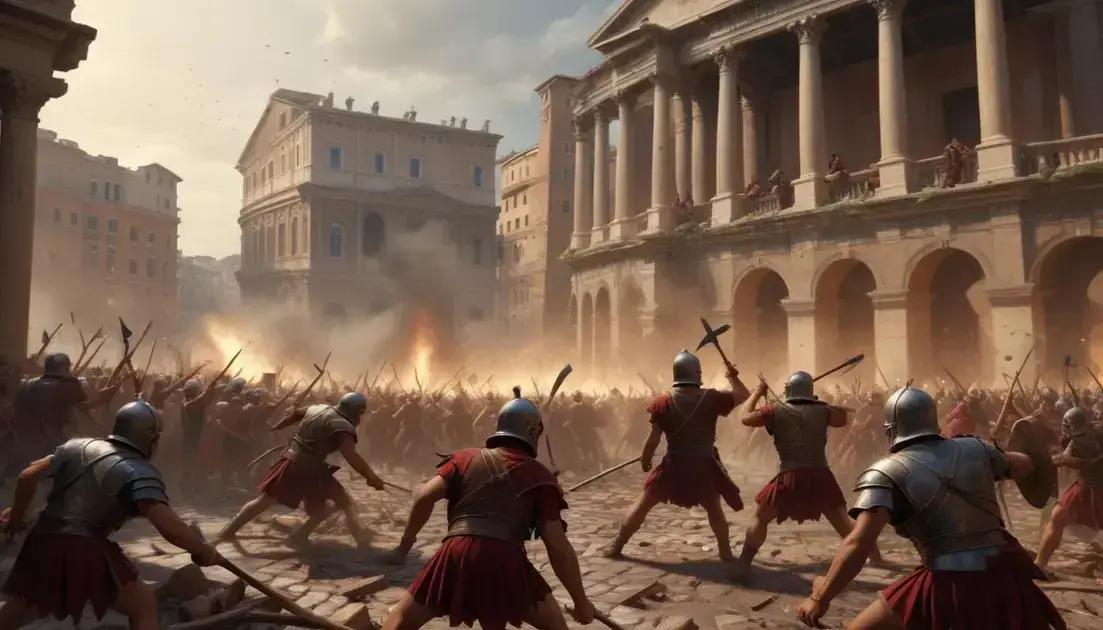
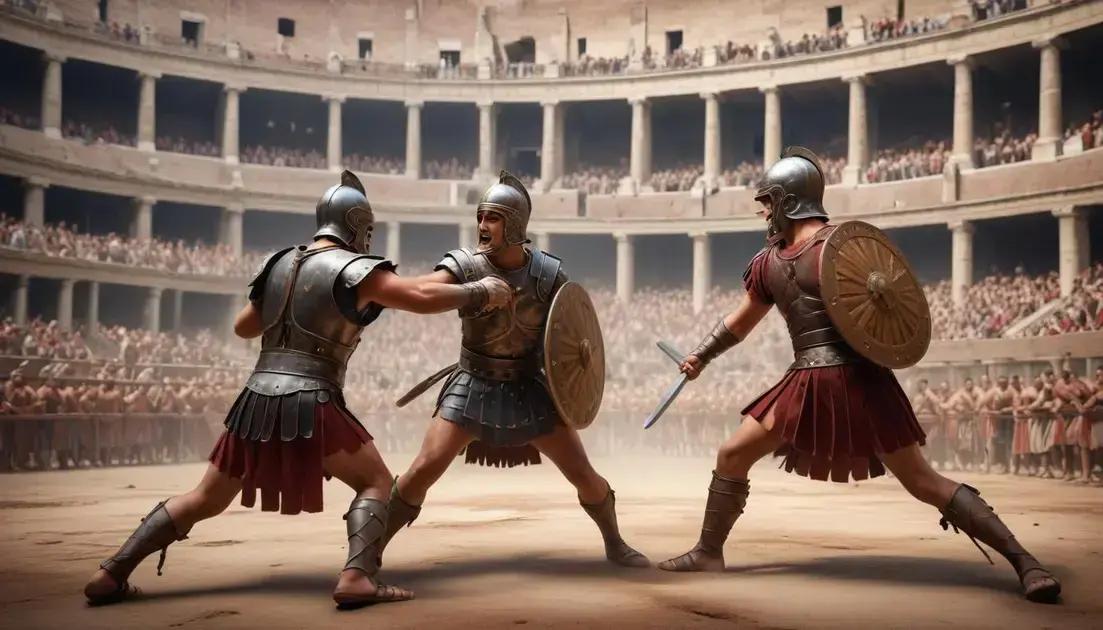
Gladiators fought in massive arenas, like the Colosseum. These games drew huge crowds, often filled with excitement and drama. The audience loved to cheer for their favorite fighters. Winning a match could lead to great fame and riches.
However, losing often meant severe consequences. Some games were deadly, so every fight was a test of life and death. Gladiators had to be brave, not just in battle, but also in front of thousands of spectators.
In the end, being a gladiator was about more than just fighting. It was about survival, glory, and the pursuit of freedom in a world filled with danger. Gladiators left a mark on history, with stories still inspiring us today.
Famous Gladiators
There were many famous gladiators in ancient Rome, each with their own stories. One of the most well-known is Spartacus. He started as a slave but became a legendary fighter who led a massive revolt against Rome.
Another impressive gladiator was Crixus, who fought alongside Spartacus. Crixus was a skilled warrior with great strength and courage. Both men inspired many others to fight for freedom.
Commodus, the Emperor Gladiator
Even Roman emperors participated in gladiatorial games. Emperor Commodus loved to fight in the arena. He believed he was a great warrior, but many people saw it as a way to show off his power.
Commodus would sometimes face untrained opponents to ensure that he won. This made him famous, but it also made him unpopular with the people. Many saw him as arrogant and cruel.
Other Notable Gladiators
Many gladiators earned fame for their skill and bravery. For example, Priscus and Verus fought a famous match in 80 AD. Their battle was so thrilling that it ended in a tie. The crowd went wild, cheering for both men.
Another remarkable fighter was Flamma. He was known for his strong will and won many matches. Flamma earned the Wooden Sword, a symbol of freedom for gladiators. He chose to keep fighting instead of accepting his freedom.
These famous gladiators show how the arena was filled with thrilling stories. Their lives were not just about fighting; they represented courage, struggle, and the quest for glory.
The Roman Gladiatorial Games
The Roman gladiatorial games were grand events filled with excitement. These games took place in large arenas, like the famous Colosseum in Rome. Crowds gathered to watch thrilling battles between gladiators and various opponents.
These events were more than just fights; they were a big part of Roman culture. The games symbolized power, bravery, and competition. Emperors used them to entertain the public and show off their wealth.
Types of Gladiatorial Fights
Different types of fights were held during the games. Some matched gladiators against each other, while others featured animals like lions and bears. These fights tested the skill and courage of the gladiators.
One popular type was the man vs. beast match. Gladiators showed their bravery by battling fierce animals. Many spectators cheered loudly, hoping to see an exciting contest.
Purpose and Importance of the Games
The main purpose was to entertain the Roman citizens. The games also served political purposes for emperors. They used the events to distract people from their problems and gain popularity.
Winners of the games became heroes in the eyes of the public. Gladiators could earn fame, prizes, or even their freedom. This chance kept many fighters motivated in their dangerous profession.
Legacy of the Gladiatorial Games
Even today, the Roman gladiatorial games impact culture. They inspire movies, books, and artworks. These historical events are still remembered for their excitement and drama. The stories of bravery and conflict remain fascinating.
Social Impact of Gladiators
The social impact of gladiators in ancient Rome was huge. These fighters weren’t just popular; they shaped culture and society. Gladiators became symbols of bravery, strength, and determination.
Many people saw gladiators as heroes. Their battles drew large crowds, and fans cheered loudly. Watching gladiator fights offered excitement and escape from daily life. For many, they became local legends and cultural icons.
Gladiators and the Class System
Gladiators came from different backgrounds. Some were high-born while others were slaves. This mix broke social barriers. It showed that anyone, no matter their past, could become famous in the arena.
This shift made the games a reflection of society. The fights highlighted struggles between classes. Wealthy citizens often attended games for entertainment, while the poor saw them as a chance to celebrate skilled fighters.
Influence on Art and Literature
The thrilling lives of gladiators inspired many artists and writers. Their stories became subjects of paintings, poems, and plays. Gladiators often represented themes of honor and sacrifice.
These representations kept the legends alive, influencing culture for many generations. Stories of their bravery continue to inspire today in movies and books.
Gladiators and Social Change
Gladiators also sparked conversations about freedom and justice. Some gladiators, like Spartacus, became symbols of rebellion against oppression. Their fights weren’t just against opponents; they were against a system.
This struggle resonated with many, pushing for changes in the social system. Gladiators helped raise awareness of issues like slavery in ancient Rome.
Comparing Gladiators to Modern Sports
When you compare gladiators to modern sports, many similarities stand out. Both involve intense competition and dedicated athletes. Gladiators fought in arenas for glory, while modern athletes perform for fans in stadiums.
Fame is another common thread. Gladiators gained popularity and became stars of their time. Today’s athletes also enjoy celebrity status. They have loyal fans who support them and celebrate their achievements.
Training and Preparation
Training for gladiators was brutal. They practiced daily to perfect their skills. Modern athletes also undergo rigorous training. Coaches work with them to improve their performance in specific sports.
Both groups must stay in top shape and follow strict diets. Gladiators had to be strong and agile, just like football players or gymnasts today.
Entertainment and Spectacle
The events featuring gladiators were grand spectacles. They drew enormous crowds eager for excitement. Today’s sports events are no different. Fans fill stadiums to watch thrilling matches and games.
Halftime shows and events add more entertainment value, similar to how gladiatorial events often featured music and performances.
Risk and Injury
Both gladiators and modern athletes face risks. Gladiators fought with deadly weapons. Injuries were common, sometimes fatal. Similarly, athletes can suffer serious injuries during games.
Sports organizations now focus on player safety, just like how some leaders tried to protect gladiators. This includes medical care and proper training techniques.
Legacy and Impact
The legacy of gladiators continues to influence sports today. Their stories inspire modern athletes to strive for greatness. They remind us of the thrill of competition and the spirit of perseverance.
Just as gladiators left their mark, today’s athletes also shape culture and inspire future generations.
Conclusion
In conclusion, the lives of gladiators and modern athletes share many exciting similarities. Both fight for glory, capture the hearts of fans, and inspire others. Gladiators showed us what it means to be brave and determined while pushing the limits of human endurance.
Today, athletes continue this legacy by providing entertainment and showcasing incredible talent. They remind us that competition and perseverance are universal themes, no matter the time period. Understanding these connections helps us appreciate both the past and the present, highlighting the impact of sports on society.