Roman roads: the highways of an ancient superpower
Roman Roads were crucial to the expansion of the Roman Empire, facilitating trade, military movement, and cultural exchange. Their advanced construction techniques ensured durability, while their network connected cities, enhancing communication and political control. This legacy is still evident today, as many modern roads follow similar paths, showcasing the lasting influence of Roman engineering on contemporary infrastructure and society.
Ever wondered how the Roman Roads shaped the empire’s reach? These ancient highways were not just for travel; they were vital for communication and trade, connecting vast territories.
Introduction to Roman Roads
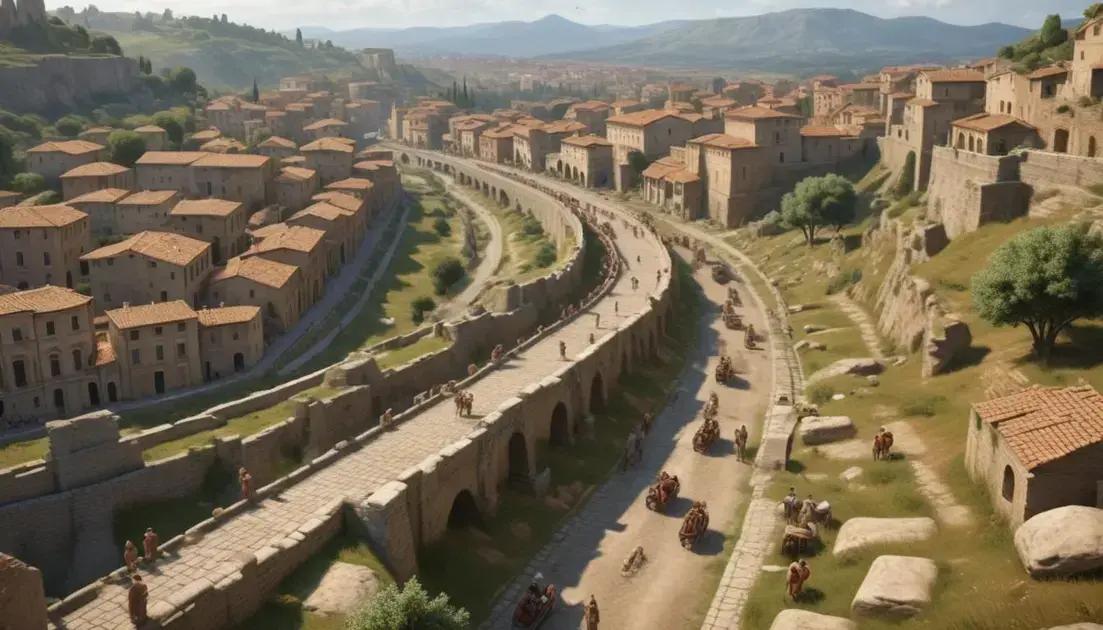
Roman Roads were more than just pathways; they were crucial for the Roman Empire’s expansion and control. These roads connected cities and territories, allowing for easier travel and communication. Built by skilled engineers, they were durable and carefully designed. Many roads were made of stone, ensuring they could withstand heavy use.
Imagine a bustling Roman marketplace. Traders and soldiers moved swiftly along these roads. Merchants carried goods, while armies marched to new frontiers. This system played a huge role in strengthening the empire.
The construction of Roman Roads wasn’t simple. It required planning and precision. Workers cleared paths, creating a solid foundation, and added layers of stones. Some roads even had drainage systems to prevent flooding.
Today, we still walk on some of these ancient paths. They have become a vital part of our history, showing how the Romans built their empire through remarkable infrastructure.
Construction Techniques
The construction techniques used for Roman Roads were advanced for their time. Builders started by selecting the right location. They looked for paths that were dry and easy to clear. After choosing the spot, they measured and marked the road’s width.
Next, workers dug a trench. This trench helped set the foundation. They used large stones on the bottom to create a solid base. Then, they added smaller stones and gravel, making the road sturdy and flat.
A unique feature was the cambered surface. This meant the middle of the road was higher than the edges. It allowed rainwater to run off, keeping the road safe and dry.
Many roads also had ditches on the sides. These ditches helped with drainage, ensuring water didn’t collect on the road. This added to the durability of the roads, allowing them to last for many years.
Roman engineers took pride in their work. Their techniques showed skill and planning. Today, many of these roads still exist, reflecting their long-lasting design.
Political and Military Importance
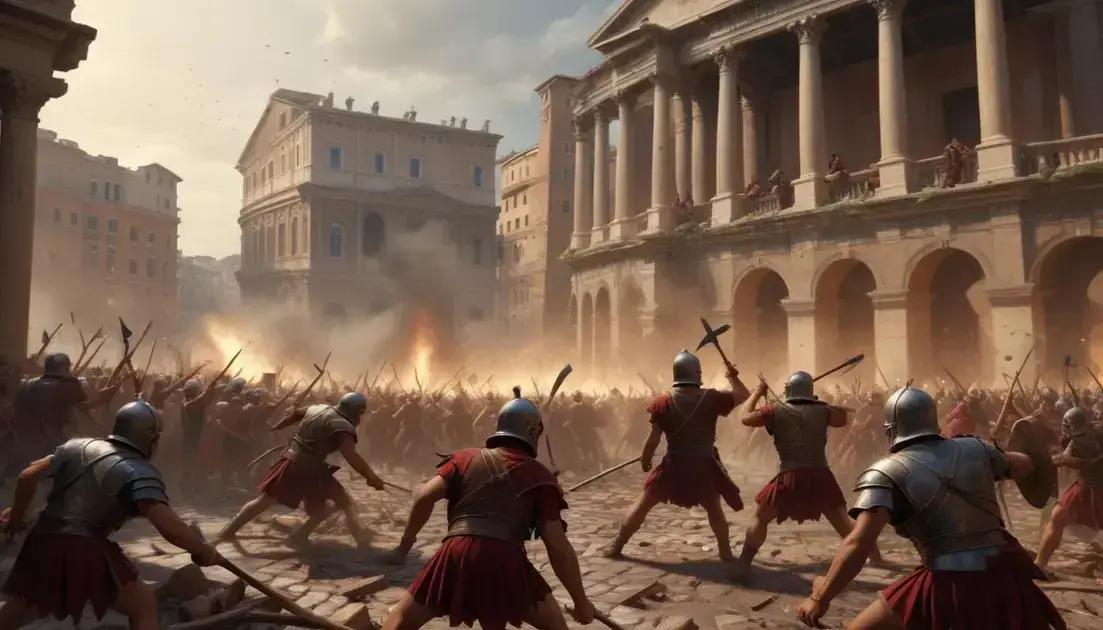
Political and military importance of Roman Roads is hard to overstate. These roads allowed for quick movement of troops across the empire. When danger arose, soldiers could reach remote areas fast.
Trade and communication also improved thanks to these roads. This made it simpler for governors and officials to stay connected with Rome. News about events could travel rapidly. This helped maintain order and control.
Moreover, the roads supported the army’s logistics. Supplies, equipment, and reinforcements were transported easily. This ensured that soldiers had what they needed to succeed in battles.
Roman Roads also helped in spreading influence. They connected important cities, allowing culture and Roman laws to spread. People could travel for trade, visit family, or even migrate to new areas. This further strengthened the empire’s power and reach.
Ultimately, these roads represented Roman engineering and planning at its finest. They were crucial for both military might and political stability.
Impact on Trade and Culture
The impact on trade and culture from Roman Roads was significant. These roads connected various regions, leading to bustling trade routes. Merchants could travel faster and safer, bringing goods like spices, textiles, and metals.
With improved trade, people’s lives changed. They had access to products from different parts of the empire. This exchange enriched local cultures. It introduced new ideas, foods, and customs.
Travel became more common. People visited other towns and cities, spreading stories and traditions. Festivals and events showcased local culture, helping unify diverse communities.
The roads also allowed for the movement of artists and thinkers. Philosophers could share their ideas, while artists inspired each other. This cultural exchange was key in shaping Roman life.
In simple terms, Roman Roads created links that led not just to economic growth but also to a deeper understanding among cultures.
Modern Influence
The modern influence of Roman Roads is still visible today. Many streets in Europe follow the paths laid down by the Romans. This shows how their planning and engineering continue to shape our world.
In addition, Roman Roads set standards for road building. They taught us the importance of good materials and solid design. Today, engineers look back at these ancient methods when creating new roads.
Furthermore, the idea of connecting places remains vital. Modern highways and routes help with transport and trade. Just like in ancient times, these connections drive economic growth.
Cultural exchange is also a legacy of Roman Roads. Just as they promoted trade and ideas, modern travel and communication systems do the same. Societies around the world continue to learn from each other.
In summary, the influence of Roman Roads on today’s infrastructure and culture is impressive. These ancient structures have paved the way for progress, showing that the past shapes the future.
Conclusion
In conclusion, the impact of Roman Roads on both ancient and modern societies is remarkable. These roads were not just pathways; they shaped the growth of empires and cultures. They allowed for quick movement of people and goods, promoting trade and communication.
Today, we still see their influence in our infrastructure and travel systems. The lessons learned from Roman engineering help us design better roads today. Moreover, the connections these roads created laid the groundwork for cultural exchanges that continue to enrich our lives.
As we look back, it’s clear that Roman Roads have left a lasting legacy. Their design and purpose remind us of the importance of roads in connecting communities and fostering growth. Understanding this history helps us appreciate the roads we travel on today.