Indus Valley: the forgotten urban giant
The Indus Valley civilization was an advanced society known for its remarkable urban planning, trade networks, and rich cultural practices. Thriving around 2500 BCE in present-day Pakistan and northwest India, they excelled in craftsmanship and agriculture. Their sophisticated drainage systems, grid layout of cities, and unique undeciphered script highlight their innovation. The civilization’s lasting legacy offers insights into early human development and societal organization, making it a significant topic for historians and researchers alike.
Ever heard of the Indus Valley? This ancient civilization seems to hold mysteries that intrigue historians and enthusiasts alike. Let’s dive in!
Introduction to Indus Valley civilization
The Indus Valley civilization was one of the earliest urban cultures in the world. It thrived around 2500 BCE in what is now Pakistan and northwest India. This ancient society is known for its advanced city planning and impressive architecture.
Cities like Harappa and Mohenjo-Daro were well laid out with grid patterns. They had streets, drainage systems, and public baths. This shows that they valued cleanliness and order.
The people of the Indus Valley engaged in trade, which connected them to distant regions. They had a unique script that remains undeciphered, providing a fascinating mystery for archaeologists and historians.
Life in this civilization involved agriculture, tools made of copper, and crafts such as pottery and weaving. The Harappans grew crops like wheat and barley, which were staples in their diet.
Their social structure was likely complex, with skilled artisans, traders, and farmers contributing to the economy. Artifacts suggest they had a rich culture with art and possibly religion.
Exploring the Indus Valley civilization offers insights into early human development. Their contributions laid the groundwork for future societies in the region.
Significance of the undeciphered script
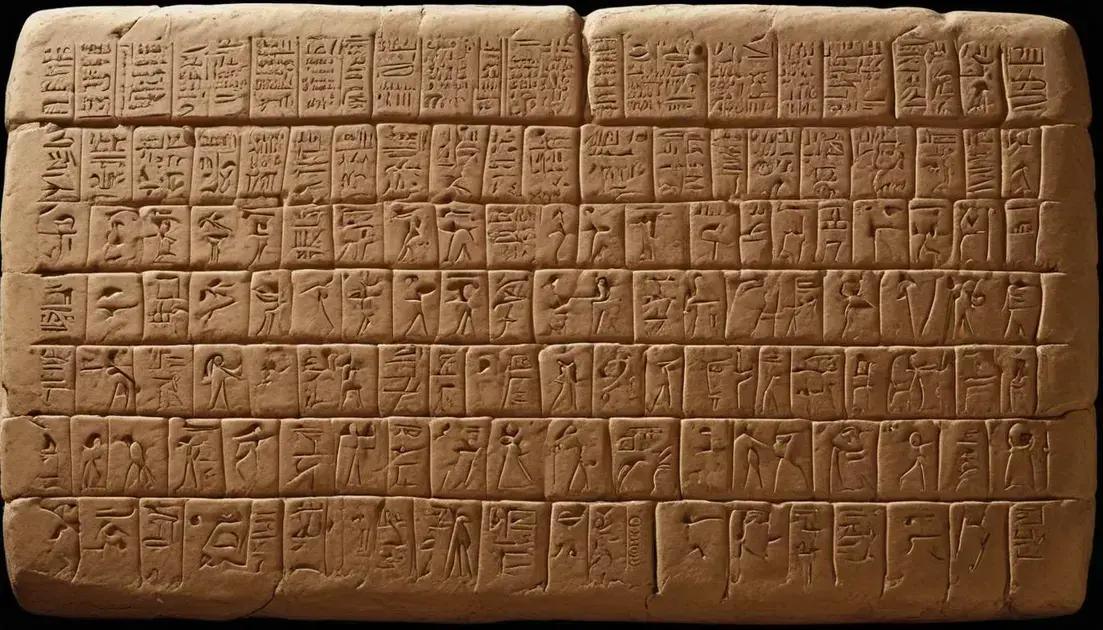
The undeciphered script of the Indus Valley civilization remains one of history’s great mysteries. This script is found on seals, pottery, and various artifacts. Many scholars believe it could hold important clues about their language and culture.
Despite many attempts, no one has fully cracked this code. The symbols are short, with most inscriptions containing only a few characters. This makes it tough to understand their meaning.
Why does this matter? Understanding the script could reveal how the Indus people communicated. It might show us their social, political, and economic systems.
This script also hints at their trade dealings with other cultures. If we can decode it, we might find out more about their relationships with neighboring regions.
Many experts use computer algorithms to analyze the script, searching for patterns and connections. They hope these tools will help unlock the secrets held within.
The significance of this undeciphered script extends beyond just language. It represents the quest for knowledge about a civilization that made remarkable contributions to human history.
Urban planning and architecture
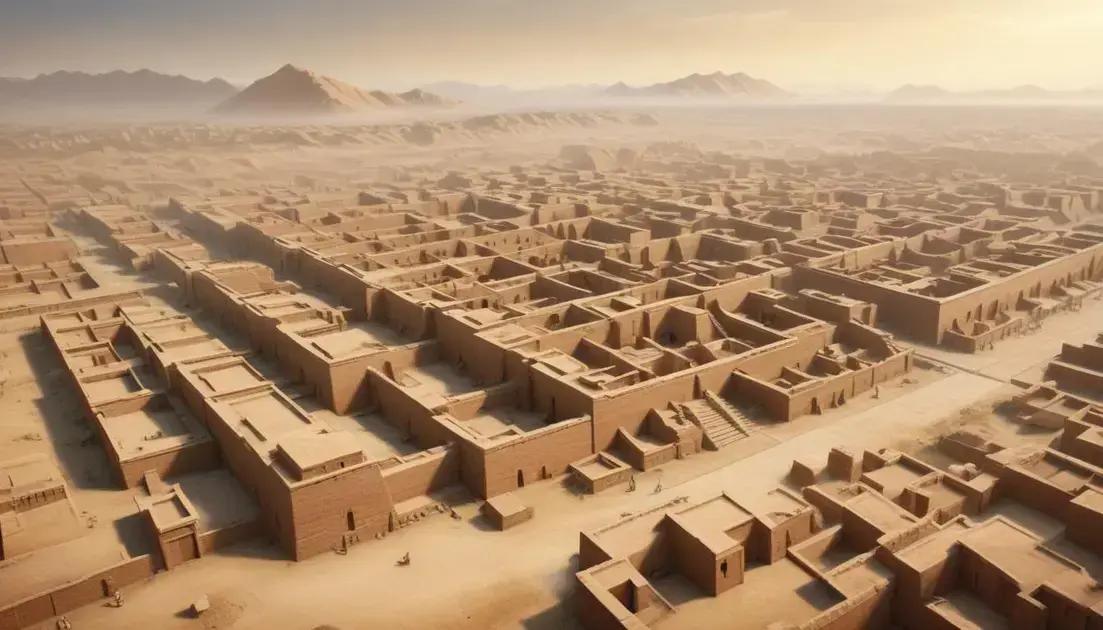
The urban planning of the Indus Valley civilization was groundbreaking for its time. Cities were built with a grid layout, making them organized and efficient. This design helped residents navigate their neighborhoods easily.
Each city featured wide streets that were likely used for trade and transportation. These streets were straight and well-planned, ensuring smooth traffic flow.
Homes in the Indus Valley were often made from baked bricks. This material was strong and durable, providing excellent protection from the elements. Many houses had flat roofs and multiple rooms, indicating a level of comfort and privacy.
One impressive aspect of their architecture was the advanced drainage system. This system helped keep the cities clean by removing waste water. It shows how much they valued hygiene and public health.
Public buildings, like baths and granaries, were common in these cities. The Great Bath in Mohenjo-Daro is one such example, showcasing their attention to communal spaces.
Urban planning in the Indus Valley was not just about buildings. It reflects a deep understanding of community needs and environmental factors. This civilization laid the groundwork for future urban development.
Trade and economy
The trade and economy of the Indus Valley civilization were quite advanced. This civilization thrived around 2500 BCE and had strong trading networks. They exchanged goods with nearby regions like Mesopotamia and Persia.
Indus Valley people traded items like beads, pottery, and textiles. They were skilled artisans and their crafts were in high demand. Their unique seals, often engraved with animals, were also traded widely.
Apart from crafts, they farmed various crops. Wheat, barley, and peas were common. This agricultural surplus allowed people to engage in trade rather than just farming for survival.
Merchants played a key role in the economy. They traveled long distances to bring goods from different regions. Evidence shows that they had established weights for trade, making transactions fair and organized.
Some evidence suggests that they used a form of currency, though it isn’t clear what it was. This shows that the economy was more complex than simple barter systems.
The trade and economy of the Indus Valley illustrate a vibrant society connecting various cultures. Their effective trading practices laid foundations for future economic systems in the region.
Cultural aspects
The cultural aspects of the Indus Valley civilization were rich and varied. Art and craftsmanship played a significant role in their daily lives. They created beautiful pottery, intricate jewelry, and detailed seals.
Many artifacts display unique designs and patterns. These items suggest that the Indus people valued art and aesthetics. They likely used these objects in everyday life and for trade.
Religion also influenced their culture. Some seals show images of animals and figures that might have held spiritual significance. However, we still don’t know much about their religious beliefs.
Social practices were likely important too. Evidence suggests that they celebrated festivals and had communal gatherings. These events could have been great opportunities for trade and socializing.
Music and dance were likely parts of their culture as well. Though we have no direct evidence, many ancient societies included these forms of expression.
The significance of the cultural aspects of the Indus Valley shows a complex society. Their traditions and practices contributed to a vibrant community that thrived for centuries.
Conclusion
The Indus Valley civilization left a remarkable legacy in history. Their innovation in urban planning and architecture set standards for future societies. Their rich culture is evident in the art, trade practices, and social structures.
This ancient civilization thrived for centuries, showcasing an advanced understanding of agriculture and commerce. Despite the challenges of deciphering their script, much can be learned from their achievements.
The Indus Valley civilization reminds us of the complexities of early human societies. Exploring their history helps us appreciate the roots of modern civilization.
Conclusion
In conclusion, the Indus Valley civilization was a remarkable society that made significant contributions to human history. Their innovations in urban planning, trade, and cultural practices showcase their advanced understanding of community and economy.
Even today, the mysteries surrounding their undeciphered script spark curiosity among historians. Exploring their achievements helps us appreciate how they laid the foundation for future civilizations.
The lessons from the Indus Valley remind us of the importance of societal development and innovation. By studying their history, we can learn valuable lessons about how early cultures shaped our modern world.