British Empire: the empire on which the sun never set
The British Empire profoundly influenced modern society through its political, cultural, and economic legacies. Its historical trade routes established connections that shape global interactions today, while the widespread use of English facilitates communication worldwide. The impact of colonialism continues to affect social dynamics and economic dependencies in former colonies, highlighting the need to address historical inequalities for a more equitable future.
The British Empire was not just a political entity; it shaped history and world relations in profound ways. Have you ever wondered how its reach extended so far?
The Rise of the British Empire
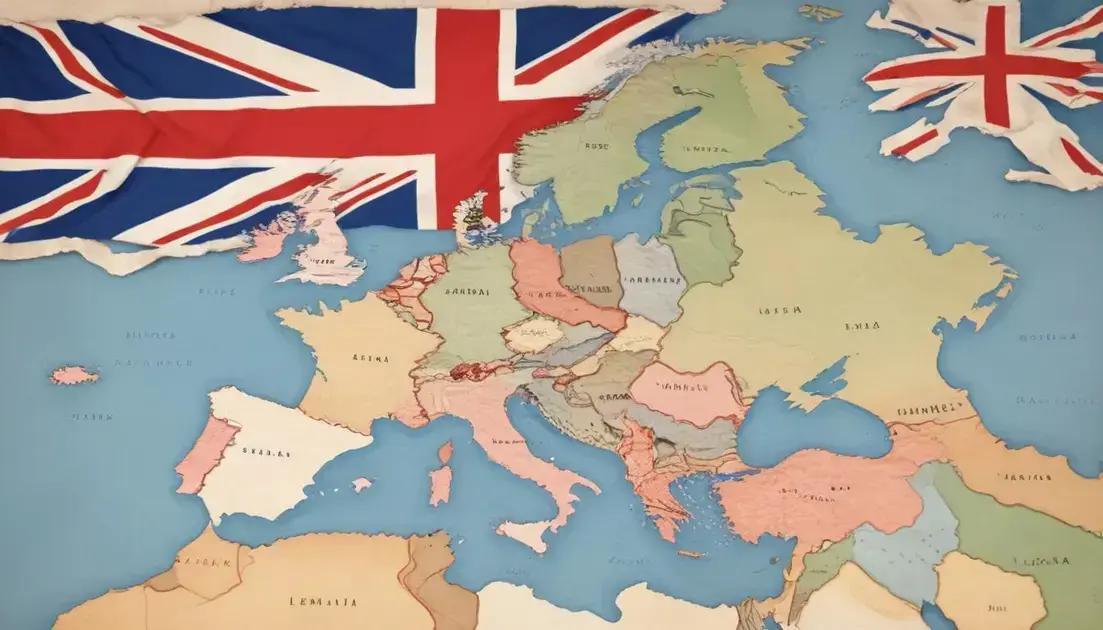
The British Empire grew rapidly in the 18th and 19th centuries. It started as a few trade posts and colonies. Over time, it expanded its reach across the globe. By the early 20th century, it became the largest empire in history.
Why It Expanded
Several factors led to this expansion. Trade was a major driver. The British sought new markets for their goods. Resources were in high demand. They wanted access to spices, sugar, and raw materials.
Key Events
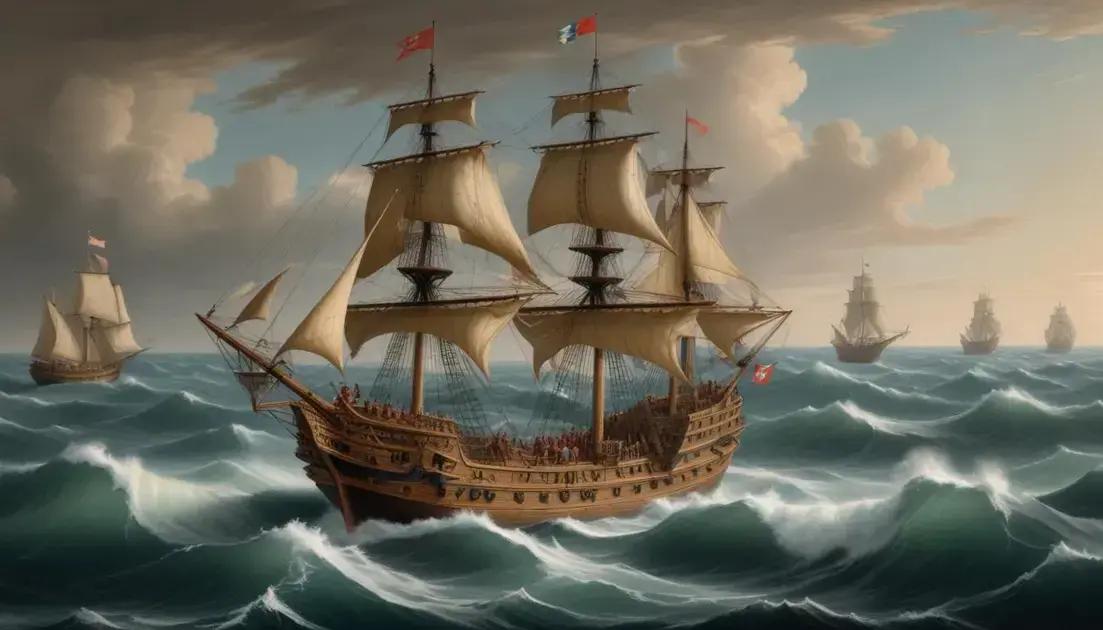
Many significant events shaped the empire’s rise. The defeat of the Spanish Armada in 1588 boosted British confidence. Wars like the Seven Years’ War helped Britain gain more territory. The colonization of North America and parts of Africa followed.
Cultural Impact
The British Empire brought diverse cultures together. It mixed languages, cuisines, and traditions. This cultural exchange shaped societies in ways that still exist today.
The Role of Technology
Advancements in technology made exploration easier. The invention of the steam engine and better ships helped travel far and wide. Communication improved, too. The telegraph linked distant places and sped up decision-making.
Legacy
The empire’s influence is still felt today. Many countries share legal and political systems based on British models. The English language is widely spoken, a testament to this vast empire’s lasting impact.
Cultural Influence
The British Empire spread its culture far and wide. This influence shaped many societies across the globe. Simple things like language and food changed in places where the empire reached.
Language Changes
English became a global language because of the empire. Many countries adopted it as a second language. Today, it’s used in business, education, and travel. This wide use helps connect people and cultures.
Culinary Influence
The empire brought different cuisines together. British foods mixed with local dishes in many regions. For example, Indian curry became popular in Britain. Similarly, British favorites spread to colonies. This blend creates a rich culinary history.
Art and Literature
The British Empire also influenced art and literature. Writers like Rudyard Kipling drew inspiration from their experiences in the colonies. Art reflected these global connections. You can see styles and themes from various cultures mixing together.
Education Systems
Many countries adopted British-style education systems. Schools began teaching subjects in English. This helped share knowledge and ideas. It allowed students to access a broader range of information and learning opportunities.
Religious Influence
Missionaries spread Christianity across different regions. This led to shifts in religious practices in many cultures. The interaction between local beliefs and new ideas created diverse religious landscapes.
Colonial Legacy
The colonial legacy of the British Empire is seen all around the world today. Its impact remains strong even after many countries gained independence. This history shaped societies, economies, and politics in various regions.
Political Systems
Many former colonies adopted British-style political systems. Countries often have parliamentary systems similar to the UK. This setup influences how laws are made and how leaders are chosen.
Legal Frameworks
The legal systems in many countries also reflect British law. Common law principles guide justice in several regions. These laws help ensure fairness and protect citizens’ rights.
Education and Language
Education systems across former colonies often follow British models. Subjects are taught in English, making it the language of instruction. This connection opens doors to global knowledge and communication.
Economic Influences
The empire’s focus on trade left economic marks. Many countries developed industries based on British interests. This created economic ties that persist today. However, some nations still struggle with the impacts of resource extraction.
Cultural Elements
Cultural traditions blend British influences with local customs. You can see this in festivals, food, and daily life. This fusion creates rich, diverse cultures that celebrate their unique history.
Economic Impact
The economic impact of the British Empire is significant and wide-reaching. It shaped trade patterns and industries across the globe. Many countries still feel its effects today.
Trade Routes
The British Empire established key trade routes. These routes connected Britain with Asia, Africa, and the Americas. Goods like spices, sugar, and textiles flowed into Britain. This led to wealth and power for the empire.
Resource Extraction
Colonies provided essential raw materials. British businesses extracted gold, diamonds, and rubber from these regions. This extraction often disrupted local economies and environments. While it benefited Britain, it left lasting issues in many areas.
Infrastructure Development
To support trade, the empire built roads, railways, and ports. These infrastructures helped transport goods and people. Many countries still use these developments today to boost their own economies.
Market Creation
The British Empire created new markets for its products. Colonies became consumers of British goods. This helped expand the economy of Britain while creating dependency in the colonies.
Long-term Effects
Many former colonies faced challenges after independence. The impact of colonial economies remains. Some countries struggle to develop industries that foster self-sufficiency. Others are still dealing with economic inequalities rooted in this history.
Modern Implications
The modern implications of the British Empire are evident in many aspects of today’s world. Its legacy influences politics, culture, and economics in former colonies.
Political Relations
The history of the British Empire affects diplomatic ties today. Many countries maintain relationships based on shared history. This can lead to both positive collaborations and ongoing tensions.
Language and Communication
English is the global lingua franca, largely due to the empire. It helps businesses and governments communicate across countries. This common language fosters international trade and diplomacy.
Cultural Exchange
The British Empire’s past created rich cultural blends. Food, music, and festivals reflect this heritage. Many societies celebrate this mix, creating unique traditions that attract tourism.
Economic Dependencies
Some former colonies still rely on trade with Britain. This relationship can make developing their own industries challenging. Countries may struggle to achieve full economic independence.
Social Issues
The impacts of colonialism still influence social dynamics. Many regions face inequalities that trace back to imperial policies. Understanding this history is vital for addressing modern social challenges.
Conclusion
In conclusion, the British Empire has a lasting influence on our world today. Its impact can be seen in politics, culture, and economics across former colonies. Understanding this history helps us recognize modern challenges and opportunities.
The connections established during the empire’s reign still shape relationships between nations. Language, trade, and cultural exchanges continue to play important roles in global interactions. By learning about the past, we can better navigate the present and future.
As we explore these modern implications, it’s essential to address inequalities and connections rooted in colonial history. Acknowledging this legacy can lead to stronger, more equitable relationships moving forward. Ultimately, understanding the British Empire’s influence allows us to build a better and more connected world.