Japan’s Industrial Revolution and Rise to Power
Japan’s modernization led to dramatic cultural and societal changes, blending traditional values with Western influences. Key transformations included the adoption of Western fashion and art styles, shifts in entertainment, and enhanced education systems. These developments empowered women and broadened opportunities, creating a unique cultural identity while positioning Japan as a significant global player.
In the span of a few decades, Japan transformed from a feudal society into a burgeoning power. Want to know how?
The Beginning of Japan’s Industrialization
The beginning of Japan’s industrialization was a turning point in its history. After centuries of isolation, the country opened up to the world. This change came in the 1850s when Commodore Perry from the United States arrived. His visit pushed Japan to start modernizing its economy and society.
Key Changes in Society
As Japan embraced technology, cities began to grow rapidly. Traditional ways of life started to shift. People moved from rural farms to urban factories in search of work. This led to the rise of a new class of factory workers.
New Industries and Innovations
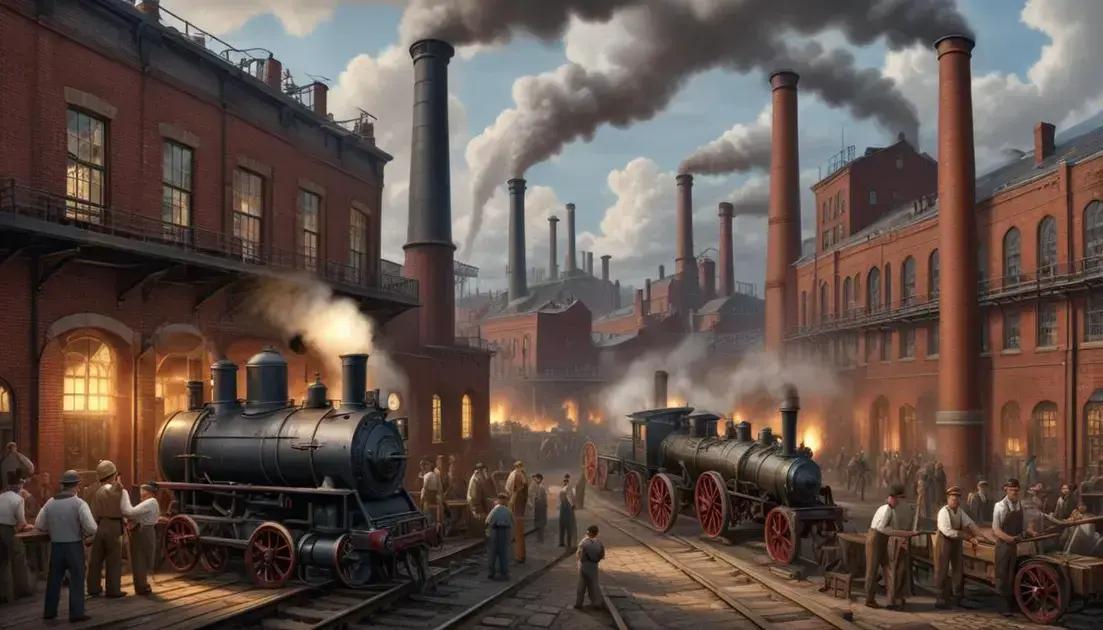
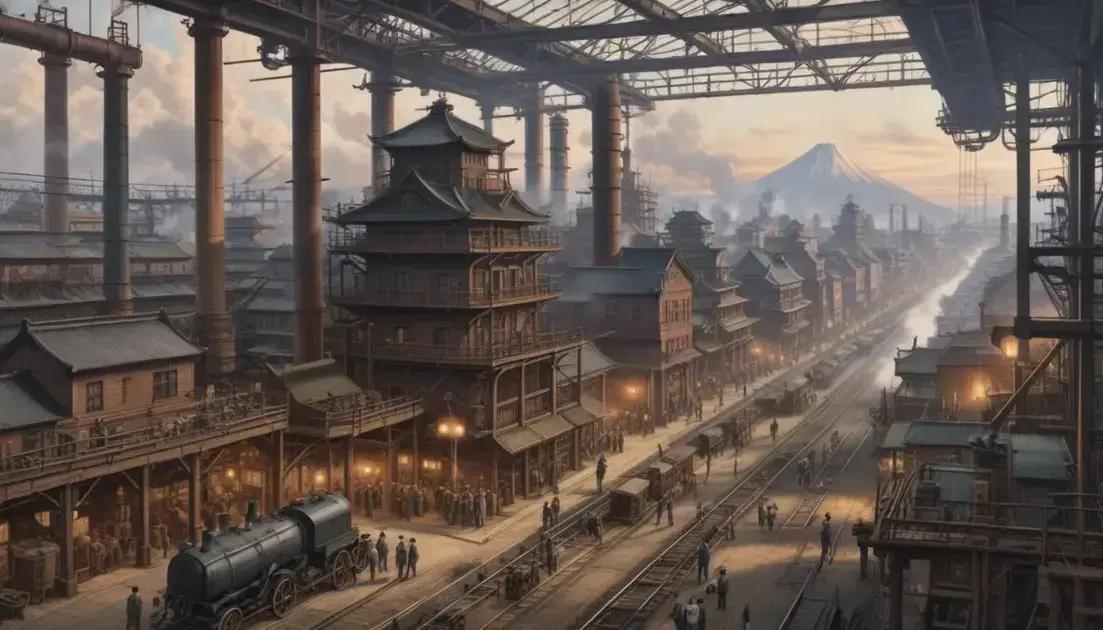
Japan focused on building railways, factories, and shipyards. These industries helped the economy grow quickly. Innovations in manufacturing changed how goods were produced. With new tools and techniques, Japan could create products faster and better.
Western Influence
Western countries played a big role in Japan’s industrial journey. They brought new ideas, machines, and methods. Japanese leaders studied Western nations to understand how they became powerful. This knowledge helped Japan adapt and improve its technology.
The Role of Education
Education became crucial during this period. The government established schools to teach new skills. Young people learned about science, engineering, and entrepreneurship. This focus on education helped Japan build a workforce ready for modern industry.
Key Events in Japan’s Modernization
Key events shaped Japan’s modernization during the late 19th century. These moments laid the groundwork for Japan’s rise as a major world power. One key event was the Meiji Restoration in 1868. This marked the end of feudal rule and the start of a new era.
Meiji Restoration
After the Meiji Restoration, Japan focused on rapid changes. The goal was to strengthen the nation and catch up with Western powers. The government introduced new policies to modernize its economy and society.
Establishing a Strong Government
The new government revamped the political system. They created a constitution that allowed for a more centralized power. This helped Japan implement reforms quickly and efficiently.
Industrial Growth
Japan invested heavily in industrialization. They built railroads, factories, and shipyards. These investments boosted the economy and created jobs. The government also supported businesses to thrive through modernization.
Education Reforms
Education was a huge priority. The government launched a new education system. This system aimed to provide skills needed for the industrial age. Schools taught science, mathematics, and technology, preparing youth for new jobs.
The Anglo-Japanese Alliance
In 1902, Japan signed the Anglo-Japanese Alliance with Britain. This agreement signified Japan’s growing power. It allowed Japan to receive support in case of conflicts, reinforcing its position on the global stage.
Impact of Western Influence
Western influence significantly impacted Japan during its modernization. As Japan opened up in the 1850s, it encountered many new ideas and technologies. The influx of Western culture changed various aspects of Japanese life.
Adoption of Western Technologies
Japan eagerly adopted Western technologies. They imported machines for manufacturing and transportation. This helped increase efficiency in factories and improved daily life for people.
Changes in Government and Laws
Japan looked to Western governments for inspiration. The Meiji leaders created a constitution that laid the foundation for modern governance. This included laws that promoted rights and responsibilities for citizens.
Education Reforms
Western influence reshaped Japan’s education system. The government established schools based on Western models. Students learned subjects like science, math, and foreign languages, preparing them for global careers.
Cultural Exchange
Japan began embracing Western customs and lifestyles. Fashion, food, and even art styles saw changes due to this influence. Japanese people started wearing Western clothes and trying new forms of art and entertainment.
Military Modernization
Japan also modernized its military through Western practices. They studied Western military strategies and upgraded their weaponry. This made Japan a strong force in Asia, able to compete against other nations.
Japan’s Rise in Global Power
Japan’s rise in global power was a remarkable journey. It transformed from a secluded nation to a significant player on the world stage. This change occurred in a few short decades due to key factors.
Economic Growth
Japan’s economy boomed during the late 19th and early 20th centuries. The country focused on industrialization, which helped create jobs and wealth. Exporting goods like textiles and later, machinery, boosted the economy.
Military Expansion
Japan modernized its military, becoming a formidable force. The government invested in new technologies and training. By the early 1900s, Japan was strong enough to challenge other powers in Asia.
Victories in Conflicts
Japan proved its might in wars with China and Russia. The victory in the Russo-Japanese War in 1905 shocked the world. This success established Japan as an empire that could compete with Western nations.
Global Diplomacy
Japan also improved its international relationships. It formed alliances, like the Anglo-Japanese Alliance, which gave it support in conflicts. These diplomatic efforts strengthened Japan’s position globally.
Cultural Influence
Along with military and economic power, Japan’s culture gained attention. Art, fashion, and cuisine captivated audiences worldwide. This cultural export helped enhance Japan’s image as a global leader.
Cultural Shifts Induced by Modernization
Cultural shifts in Japan were significant during modernization. As Japan opened up to the world, it started to blend traditional aspects with new influences. This change shaped society and cultural identity.
Embrace of Western Styles
Fashion was one of the first areas to change. Japanese people began wearing Western clothing. This shift marked a departure from traditional garments like kimonos. Western styles became common in cities.
New Art Forms
Modernization also impacted Japan’s art scene. Artists began exploring new styles and techniques. Traditional art forms merged with Western influences, creating unique artwork. This led to exciting movements in painting and sculpture.
Changes in Entertainment
Entertainment experienced a major transformation as well. Western music and theater gained popularity. The introduction of films and modern literature offered fresh perspectives and storytelling. These new forms resonated with audiences across age groups.
Shifts in Values and Norms
As society modernized, values began to shift. Traditional roles, especially for women, saw changes. More women entered the workforce, seeking independence and education. This helped promote gender equality over time.
Education and Language
Education became a priority with Western influence. Schools adopted new curricula, including foreign languages. This helped many Japanese people connect with the global community and understand Western cultures.
Conclusion
In conclusion, Japan’s modernization led to significant changes in society and culture. The blend of traditional values with Western influences created a unique identity. These cultural shifts included new fashion trends, art forms, and entertainment options that resonated with people.
As Japan embraced modernization, education and values evolved too. More opportunities arose for women, and education became accessible to many. This progress contributed to a richer, more diverse culture.
Overall, the impact of modernization on Japan’s culture is a remarkable aspect of its history. It shows how change can lead to growth and creativity, making Japan a vibrant part of the global community.