Arab Spring: protests that shook the Middle East
The Arab Spring sparked significant protests across the Middle East, highlighting a widespread desire for freedom, justice, and political reform. Countries like Egypt, Libya, and Syria faced unique challenges, with social media playing a vital role in organizing and mobilizing citizens. Key lessons emerged from these uprisings, emphasizing the importance of resilience, unity, and the need for clear goals in movements for change. Despite varying outcomes, the Arab Spring continues to influence the fight for rights and democracy in the region.
The Arab Spring was a pivotal moment in history, sparking widespread protests across the Middle East. Ever wondered how a single idea can ignite nations?
The Origins of the Arab Spring
The Arab Spring began in late 2010 when a man named Mohamed Bouazizi set himself on fire in Tunisia. This tragic act sparked protests across the country. People were unhappy with the government due to high unemployment, rising prices, and repressive politics.
Social media played a huge role in these protests. It helped people connect and share their frustrations. Hashtags and online campaigns raised awareness and brought people together. Soon, calls for change echoed from Tunisia to other countries in the region.
Tunisia: The Starting Point
Tunisia is where the movement began. The people took to the streets, demanding an end to corruption and better living conditions. The government tried to silence them, but it backfired. As protests grew, even more citizens joined the cause.
Other Countries Join In
Inspired by Tunisia, citizens in Egypt, Libya, Syria, and Yemen also protested against their governments. In Egypt, massive crowds gathered in Tahrir Square. They demanded a change, and soon President Hosni Mubarak resigned.
In Libya, protests turned into a civil war. People fought against Muammar Gaddafi’s regime. The situation became violent, and international intervention followed.
Lessons Learned
The Arab Spring taught us a lot about the power of collective action. It showed that ordinary people could stand up for their rights. However, the aftermath was complicated. Many hoped for democracy, but challenges remained.
Every country experienced different outcomes. Some saw reforms, while others faced harsh crackdowns. The importance of unity and resilience became clear during this time.
Major Protests and Movements
Major protests during the Arab Spring shook the Middle East and beyond. These events were fueled by needs for change and freedom. Each country had unique circumstances, but many shared common struggles.
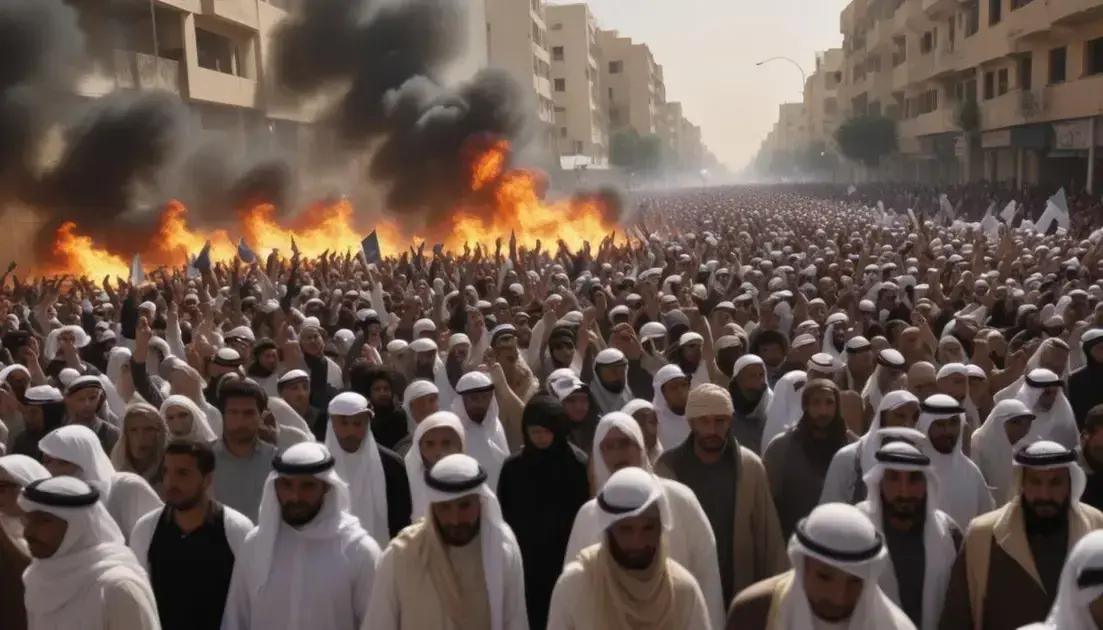
In Egypt, millions gathered in Tahrir Square. They called for the end of President Hosni Mubarak’s rule. The protests were peaceful at first, but tensions grew. The world watched as people stood up for their rights.
Libya saw a different scenario. Protesters faced a violent response from Moammar Gaddafi’s forces. The movement quickly escalated into a civil war. International support helped the rebels push for freedom.
Syria’s Uprising
In Syria, the protests began for similar reasons. Citizens demanded political reforms and the release of political prisoners. The government reacted harshly. What started as peaceful protests became a bloody conflict.
Yemen’s Struggles
Yemen’s situation was also dire. Citizens challenged President Ali Abdullah Saleh’s 33-year rule. Protests erupted in Sanaa and across the country. Ultimately, Saleh stepped down, but the struggles continued.
Other nations like Bahrain and Algeria experienced protests too. Citizens voiced their frustration over corruption, lack of freedoms, and economic hardships.
Throughout the Arab Spring, social media played a vital role. It helped spread messages and unite protests. Hashtags connected people and amplified their cries for justice.
Impact on the Middle East
The Arab Spring had a huge impact on the Middle East. It changed the way people viewed politics and their governments. This wave of protests inspired many to demand change and reform. Each country faced different challenges and outcomes.
In Egypt, the fall of President Mubarak inspired hope. Citizens became more politically active. Many people started to believe they could shape their futures. However, the path to democracy was not smooth.
Libya experienced a devastating civil war. Gaddafi’s regime was overthrown, but the country faced chaos afterward. Rival groups fought for control, leading to instability.
Syria’s Ongoing Crisis
In Syria, the protests led to a violent civil war. This conflict caused a massive humanitarian crisis. Millions of people fled their homes seeking safety in other countries. The effects of this war continue to ripple through the region.
Other nations felt the impact too. In Bahrain, protests were met with a harsh government response. The ruling family cracked down on dissent, causing more unrest.
Social Change and Awareness
Despite the challenges, the Arab Spring sparked a greater awareness of rights. People began to realize the power of their voices. They sought to hold leaders accountable. The protests connected citizens across borders, showing unity against oppression.
The role of social media changed the landscape. Information spread quickly, making it easier to organize movements. Social media gave people a platform to share their stories and connect with others.
Lessons Learned
The Arab Spring taught many important lessons about change and resistance. People learned that their voices matter. When citizens unite, they can challenge power and demand change.
One key lesson is the importance of clear goals. Protesters had to know what they wanted. Whether seeking democracy or justice, having a vision helped rally support.
Another lesson is about the role of social media. Online platforms connected people and spread messages quickly. They became essential tools for organizing protests and sharing real-time information.
The Importance of Resilience
Resilience is also crucial. Movements faced many challenges and setbacks. Some protests turned violent, while others faced strong government crackdowns. Yet, many continued to fight for their rights.
Understanding Local Context
Each country had its unique set of challenges. Understanding local history and culture was vital for successful movements. This knowledge helped protesters connect with their communities and gain support.
The Arab Spring showed that hope can exist even in tough times. People’s desire for freedom and justice is powerful. While not all outcomes were successful, the lessons learned still resonate today.
Conclusion
In conclusion, the Arab Spring has left us with many important lessons. It showed that ordinary people can make a big difference when they unite for a common goal. Understanding local issues and using tools like social media can empower movements and spread messages more effectively.
While not every outcome was what protesters hoped for, the fight for freedom and justice continues. The desire for change remains strong in the hearts of many. Ultimately, the lessons learned during this time can inspire future generations to stand up for their rights and seek a better world.