Boston Tea Party: the protest that shook an empire
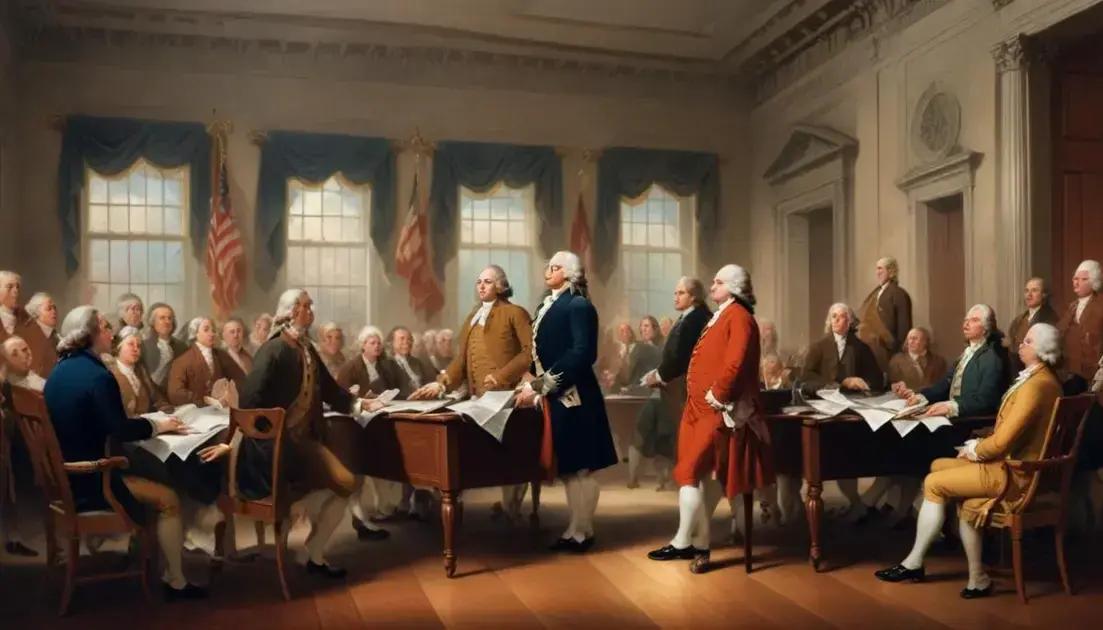
The Boston Tea Party, a pivotal protest in 1773, was fueled by colonial anger over unfair British taxes, especially on tea. Key figures like Samuel Adams and John Hancock played crucial roles in organizing the protest. The immediate impact included British retaliation through the Intolerable Acts, which intensified colonial unity and resistance. Long-term, this event sparked a revolutionary spirit that contributed to the American Revolution and shaped democratic ideals. It remains a symbol of standing up for rights and resisting oppression.
Have you ever wondered about the Boston Tea Party? This pivotal moment in American history was more than just a protest; it was a spark that ignited the flames of revolution.
The Context of the Boston Tea Party
The Boston Tea Party happened in 1773. It was a response to British taxes on tea. Colonists believed these taxes were unfair since they had no voice in Parliament.
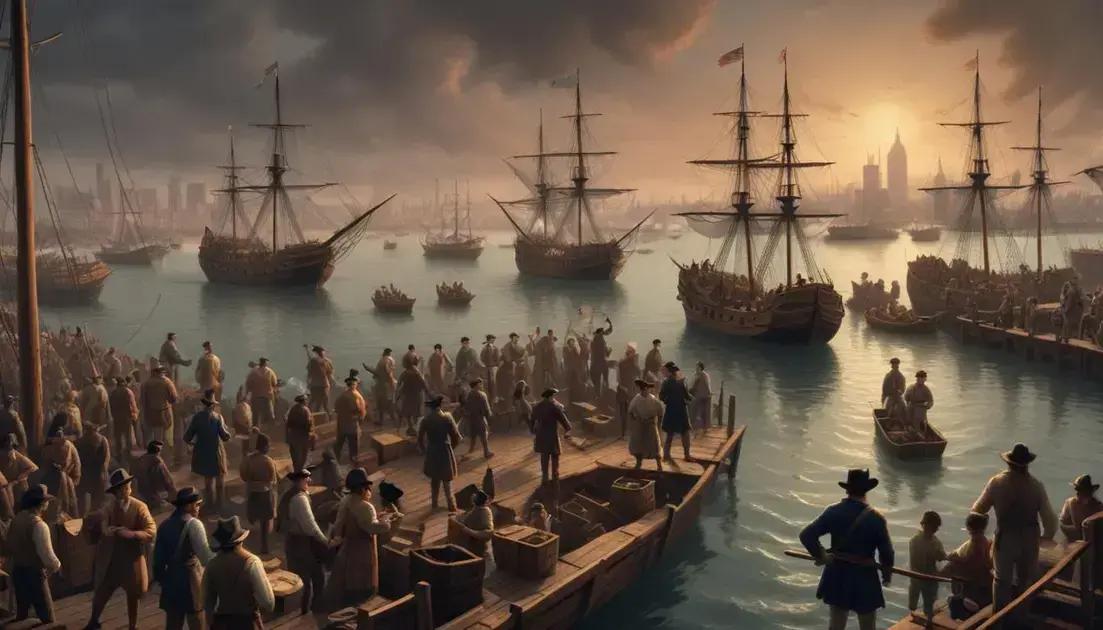
The event took place in Boston Harbor. A group of colonists, disguised as Native Americans, boarded ships carrying tea. They threw 342 chests of tea overboard. This act of defiance shocked British authorities.
Before the tea party, tensions were high in the colonies. The British government had passed the Tea Act, granting a monopoly to the British East India Company. This meant merchants in the colonies could not sell tea freely.
Many colonists felt betrayed and ignored. They organized protests to express their anger. The Boston Tea Party became a symbol of resistance against British rule.
This event united the colonies. It encouraged others to take action against British oppression. It also set the stage for the American Revolution.
Understanding the context of the Boston Tea Party is crucial. It shows how ordinary people can rise against injustice and fight for their rights.
Key Figures Involved
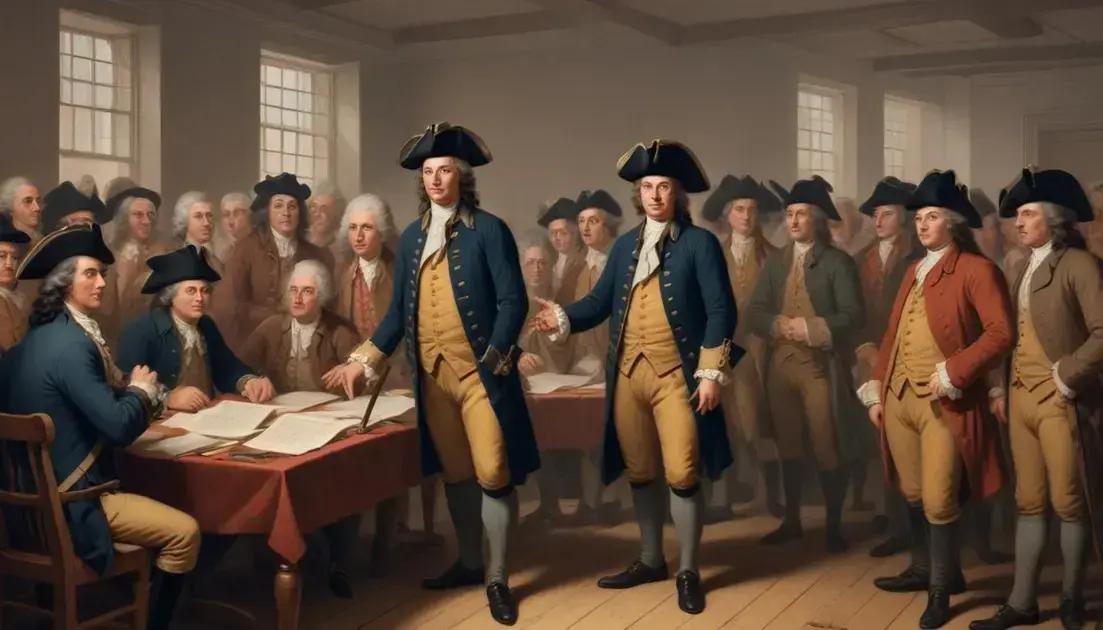
The Boston Tea Party had several key figures. Each played a vital role in the protest against British rule.
One major figure was Samuel Adams. He was a leader in the Sons of Liberty. Adams organized many protests and was passionate about colonial rights.
Another important person was George Hewes. He was just a shoemaker but took part in the tea party. Hewes later described the event in detail, sharing his experiences.
John Hancock also stood out. He was a rich merchant who opposed British taxes. Hancock’s ship was targeted during the protests, showing his commitment to the cause.
Then, there was Paul Revere. Although he is famous for his midnight ride, he also supported the tea party. He used his skills to spread the word about British actions.
These men, along with many others, helped unite the colonists. Their efforts highlighted the growing tension with Britain.
Understanding these key figures is essential. They helped shape American history and inspired others to fight for their freedom.
Events Leading to the Protest
Many events led to the Boston Tea Party. Each event increased tension between the colonies and Britain.
First, the British government imposed various taxes. The Stamp Act of 1765 placed taxes on paper goods. Colonists felt angry and betrayed.
Next came the Townshend Acts in 1767. These laws taxed items like glass, paint, and tea. The colonists organized boycotts and protests in response.
In 1770, the Boston Massacre occurred. British soldiers shot into a crowd, killing five colonists. This event stirred up public outrage and fueled anti-British sentiments.
Moreover, the British passed the Tea Act in 1773. This law allowed the British East India Company to sell tea directly to the colonies. It hurt local merchants and upset many people.
In response, colonists organized a meeting called the First Continental Congress. They discussed how to resist British control and formed plans for action.
These events built up to the Boston Tea Party. Each one played a part in uniting the colonists against perceived injustices.
The Immediate Impact
The Boston Tea Party had a huge immediate impact. It changed the relationship between the colonies and Britain.
First, the British government was furious. They saw this protest as a direct challenge. They called for punishment and wanted to restore order.
In response, Britain passed the Coercive Acts in 1774. These laws, known as the Intolerable Acts, closed Boston Harbor and limited town meetings. This angered many colonists even more.
Moreover, the Boston Tea Party united people across the colonies. Many towns organized their own protests. They saw the event as a symbol of resistance against British control.
Colonists began to support each other more. They formed groups like the Continental Association. This group helped coordinate boycotts and protests against British goods.
The event also inspired more radical actions. It encouraged people to consider their independence. Discussions of freedom and rights grew stronger.
The immediate effects of the Boston Tea Party set the stage for future events. The push for independence gained momentum, leading to the American Revolution.
Long-Term Consequences
The Boston Tea Party had significant long-term consequences for America. It reshaped the struggle for independence.
One major outcome was the rise of revolutionary sentiment. People across the colonies became inspired to take action. They united against British authority.
The protest also led to the formation of the Continental Congress. This group coordinated efforts among the colonies. They planned to resist British rule more effectively.
Additionally, the Boston Tea Party influenced public opinion. It showed that ordinary citizens could stand up for their rights. This idea encouraged many to join the cause.
Furthermore, it contributed to the American Revolution. The Tea Party increased tensions and pushed the colonies toward independence. War became inevitable after so many clashes.
In a broader sense, the event affected politics and governance. It laid the groundwork for democratic ideas. Future generations looked back at the Tea Party as a key moment in history.
Overall, the long-term consequences of the Boston Tea Party paved the way for a new nation built on freedom and rights.
Conclusion
In conclusion, the Boston Tea Party was not just a protest; it was a turning point in American history. This bold act united the colonists and sparked a strong desire for independence. The events leading up to the tea party and its immediate impact set the stage for the American Revolution.
The long-term consequences shaped the future of the United States. New ideas about freedom and democracy took root. The courage of those early protestors inspires us even today. As we look back, we see how a single event can change the course of history and motivate people to stand up for their rights.