Bleeding Kansas: The Violent Prelude to the Civil War
Bleeding Kansas was a violent conflict in the 1850s over the issue of slavery, showing deep national divides. Key events like the Pottawatomie Massacre highlighted the intense struggle between pro-slavery and anti-slavery factions. This turmoil not only set the stage for the Civil War but also ignited a legacy of civil rights awareness that resonates today. Understanding the impact of Bleeding Kansas helps us grasp the ongoing fight for justice and equality in America.
Bleeding Kansas was more than just a territorial dispute; it was a flashpoint for the impending Civil War. With intense violence erupting over slavery, this period reveals the complex and chaotic roots of a nation at war with itself. Curious about how one territory ignited national conflict? Let’s dig in!
Background of Bleeding Kansas
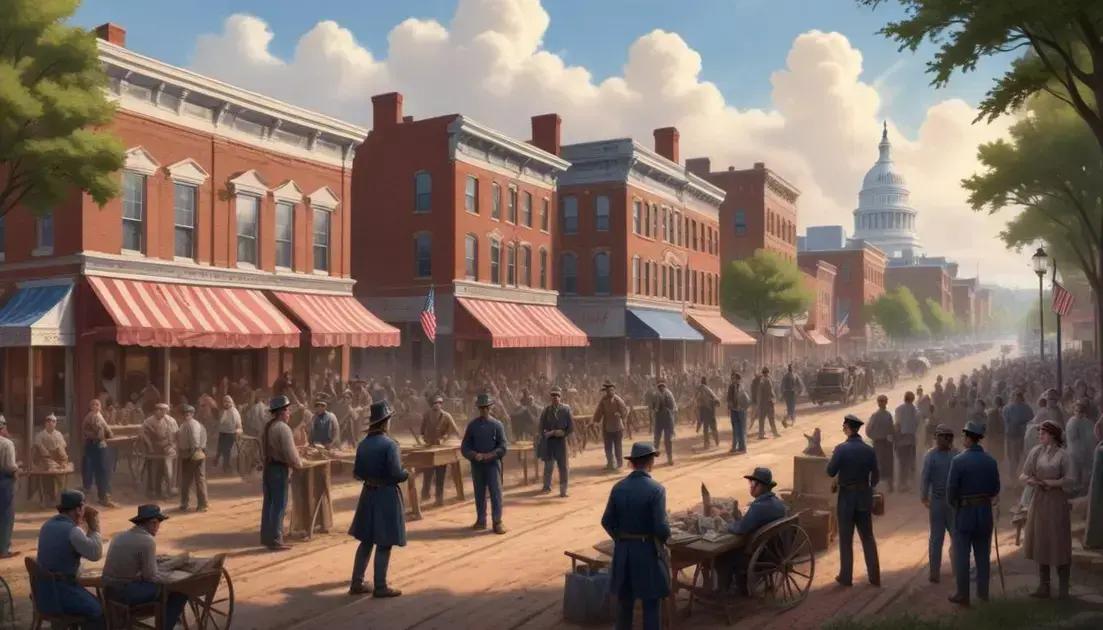
Background of Bleeding Kansas explores how the fight over slavery fueled violence in the Kansas Territory. In the 1850s, tensions rose as settlers moved westward. Many people wanted to decide if Kansas would be a free or slave state. This struggle created deep divisions.
As more settlers arrived, the conflict became more intense. The Kansas-Nebraska Act of 1854 allowed the people to decide through popular sovereignty. This meant local residents would vote on the issue. Both pro-slavery and anti-slavery groups rushed to settle in Kansas.
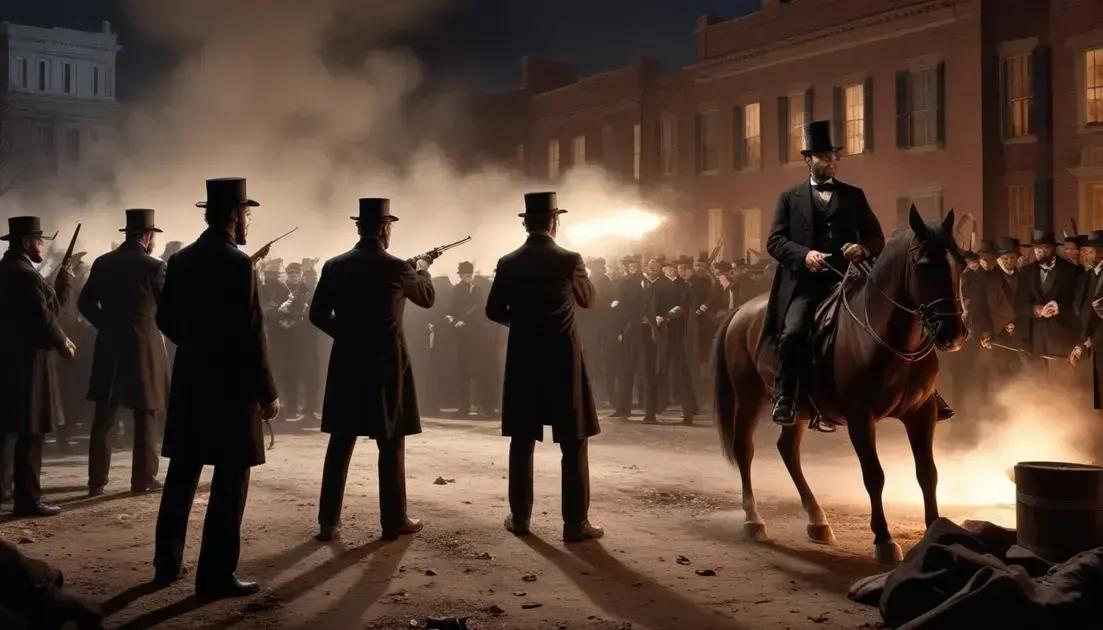
The battles between these groups turned violent. Skirmishes erupted between armed factions. Newspaper articles reported on the chaos, and the term “Bleeding Kansas” became known across the nation. It wasn’t just a local issue; it drew the attention of the entire country.
Some key figures emerged during this time. People like John Brown, an ardent abolitionist, took action against what he saw as injustices. His radical methods were shocking but highlighted the desperate atmosphere of this period.
Bleeding Kansas showed just how serious the fight over slavery had become. It foreshadowed the larger conflict that was about to engulf the nation. The events in this territory were just the beginning of a much bigger struggle ahead.
Major Events of the Conflict
Major Events of the Conflict highlight the pivotal moments that shaped Bleeding Kansas. After the Kansas-Nebraska Act was passed, violence erupted quickly in the territory. In 1855, pro-slavery supporters attacked the anti-slavery town of Lawrence. This incident marked a turning point in the conflict.
In response to the attack on Lawrence, John Brown and his followers took action. They launched a retaliatory raid at Pottawatomie Creek in May 1856. This brutal act resulted in the deaths of five pro-slavery men. It made national headlines and escalated the violence further.
During the next few months, numerous skirmishes broke out across the territory. Both sides formed militias and clashed frequently. At times, battles resembled small-scale civil wars. The struggle drew in many supporters from outside Kansas, further complicating the conflict.
The sack of Lawrence and the Pottawatomie Massacre energized many people. They began to see the conflict as a moral battle. The media coverage also played a significant role. Newspapers published reports about the violence, stirring emotions across the country.
By the end of 1856, the conflict showed no signs of stopping. The term “Bleeding Kansas” caught on, reflecting the gruesome violence and turmoil. This terrible struggle foreshadowed the larger Civil War that was just around the corner.
Impact on the Civil War
Impact on the Civil War shows how Bleeding Kansas set the stage for a national conflict. The violence over slavery in Kansas attracted attention from all over the United States. Many people began to take sides, and this division grew stronger.
The events in Kansas highlighted the deep differences between the North and South. As tensions rose, the fight over slavery became a central issue. This conflict fueled debates in Congress and among everyday citizens.
In many ways, Bleeding Kansas was a preview of the Civil War. The brutal violence and chaos demonstrated just how far people would go to defend their beliefs. It also showcased the failure of compromise. Previous attempts to address slavery through legislation had not worked.
Figures like John Brown were seen as heroes by some and villains by others. His actions in Kansas helped to polarize opinions even more. Many Northerners viewed him as a martyr for freedom, while Southerners saw his violence as a threat.
Ultimately, the turmoil in Kansas made it clear that war was inevitable. Each skirmish and clash added to the growing animosity. The conflict in this territory was a major factor that pushed the nation toward the brink of war in 1861.
Legacy of Bleeding Kansas
Legacy of Bleeding Kansas extends far beyond its time. The events in Kansas changed the course of American history. They highlighted the intense struggle over slavery and pushed the nation toward war.
This conflict brought national attention to the issues at hand. Many people began to realize that compromise would not solve the growing divide. The violence in Kansas made it clear that the fight for freedom was urgent and real.
Bleeding Kansas influenced many future activists and abolitionists. It inspired a generation to stand up against slavery and injustice. Prominent figures emerged, and their actions helped fuel the rise of the anti-slavery movement.
The term “Bleeding Kansas” still resonates today. It’s often referenced in discussions about civil rights and social justice. The lessons learned from these events remind us of the importance of standing against oppression.
Today, people study Bleeding Kansas as a crucial turning point. It serves as a powerful example of how local conflicts can shape national policy. Understanding this legacy helps us grasp the complexities of American history.
Conclusion
In conclusion, the events of Bleeding Kansas significantly shaped American history. This struggle over slavery brought national attention to deep divisions within the country. It highlighted how important it was for citizens to take a stand against injustice.
The legacy of Bleeding Kansas still resonates today. It serves as a reminder of the ongoing fight for civil rights and freedom. By studying this period, we can learn valuable lessons about the importance of unity and understanding.
As we reflect on these powerful events, let’s remember the impact they had on the direction of our nation. The struggle for equality and justice continues, and Bleeding Kansas shows us that change often comes at a cost. Yet, it also inspires us to keep working toward a better future for all.
Tags: