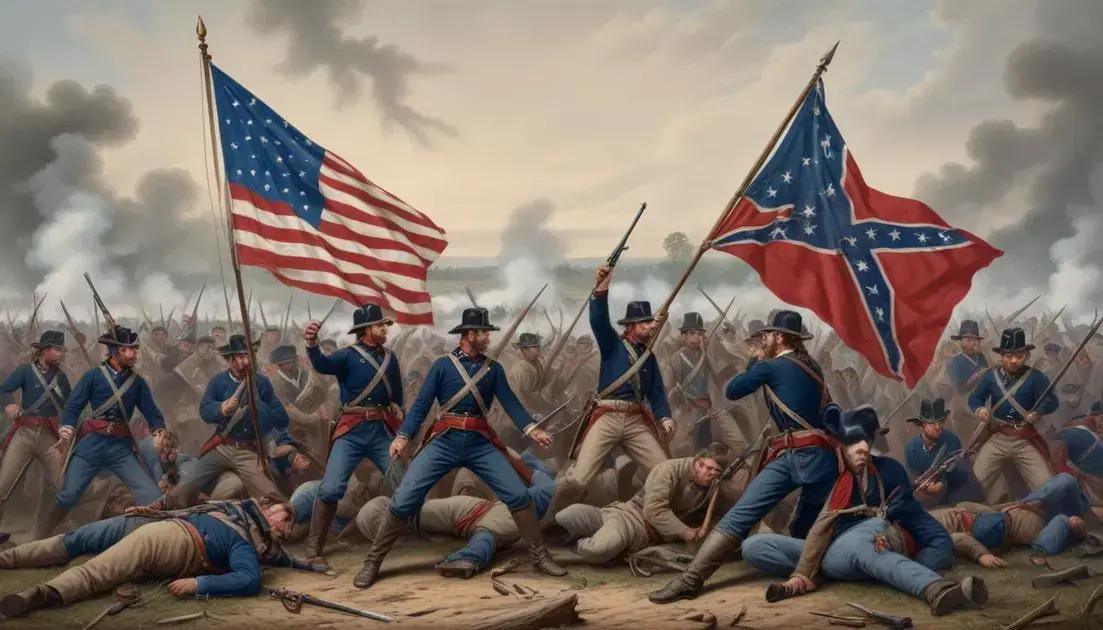
The Confederacy: the secession that broke the nation
The Confederacy was formed by eleven Southern states that seceded from the Union primarily over issues related to slavery and states’ rights. This led to the Civil War, a conflict that deeply impacted the nation, resulting in significant social and political changes. The legacy of the Confederacy continues to influence discussions about race, freedom, and unity in America.
Secession marked a pivotal moment in American history, as it led to the creation of a rival government by eleven states. Curious about how this all unfolded? Buckle up!
Introduction
The Confederacy played a significant role in shaping the United States. It was a group of eleven Southern states that seceded from the Union. This happened during a time of great tension over issues like slavery and states’ rights. Understanding the reasons behind the secession helps us grasp its impacts.
Why Did Secession Happen?
Many Southern states believed they had the right to govern themselves, especially regarding slavery. They felt that the federal government was overstepping its power. This belief led them to break away from the Union, creating a new government.
The Formation of the Confederacy
Starting in 1860, states like South Carolina led the charge. They held conventions and declared their independence, forming the Confederate States of America. This sparked debates about the nature of democracy and freedom.
Impact on the Nation
The secession and the formation of the Confederacy led to the Civil War. This conflict would test the nation’s resolve and bring about significant changes. The struggle was not just about territory; it challenged the very ideals of freedom and equality.
Understanding the Confederacy
Understanding the Confederacy is key to grasping American history. It was formed by eleven Southern states that wanted to separate from the Union. This happened during a dark time when slavery was a huge issue. The Confederacy believed in states’ rights and wanted to keep their way of life.
The Goals of the Confederacy
The primary goal was to secure the right to maintain slavery. Many Southern leaders argued that they needed this to protect their economy and society. They believed that each state should decide its own laws.
Key Figures in the Confederacy
Several important figures emerged during this period. Jefferson Davis became the first president of the Confederacy. He and other leaders aimed to unite the Southern states under a common cause. Their efforts led to fierce battles across the country.
The Flag and Symbolism
The Confederate flag became a symbol of the Confederacy. It represented their fight for independence but also carried deep meanings tied to slavery. This flag often stirs up strong emotions even today.
By learning about the Confederacy, we can better understand its lasting impact on the United States. It played a significant role in the eventual abolition of slavery and the fight for civil rights.
The Roots of Secession
The roots of secession can be traced back to deep-seated issues between the North and South. These tensions were mainly about slavery and states’ rights. Many Southern states felt the federal government was taking away their freedoms. They believed they had the right to decide how to govern themselves.
Slavery as a Central Issue
Slavery was the biggest disagreement. Southern states depended on it for their economy. The North wanted to end slavery, which led to heated debates. This disagreement created a huge divide between the two regions.
Economic Differences
The North and South had very different economies. The North was more industrialized, while the South relied on agriculture. This difference caused conflicts over trade policies and tariffs. Southern leaders thought these policies favored the North at their expense.
Political Tensions
Political events also fueled the fire. For instance, the election of Abraham Lincoln in 1860 alarmed many Southerners. They believed he would abolish slavery and infringe on their rights. This fear pushed several states to consider secession from the Union.
All these factors combined to spark the desire for secession. Understanding these roots is crucial to grasping why the Confederacy formed and how it shaped American history.
The Impact on the Nation
The impact of the Confederacy on the nation was profound and lasting. It shaped America in many ways. The most significant consequence was the Civil War, which began in 1861. This conflict was about more than just land; it was about freedom and rights.
The Civil War’s Toll
The Civil War caused immense suffering on both sides. Battles led to heavy casualties and destroyed towns. Families were torn apart, and communities suffered. The war challenged ideas of democracy and freedom, affecting everyone.
Changes in Governance
The war brought changes to the U.S. government. It strengthened federal power over states’ rights. The idea that the Union’s survival depended on a strong central government became clear. This shift affected laws and policies for years to come.
Social Changes
After the war, social changes followed. The abolition of slavery brought new challenges. African Americans sought rights and equality. However, resistance to these changes created tension and conflict.
In the end, the Confederacy’s legacy remains a complex part of American history. It serves as a reminder of the struggles for freedom and what it means to be united.
Conclusion
The journey through the Confederacy reveals many lessons. Understanding history helps us better navigate the future. The challenges faced by the Confederacy shaped the nation in ways we still feel today. It reminds us to appreciate our freedoms and strive for unity.
Ongoing Legacy
The legacy of the Confederacy is complex. It continues to spark conversations about race, rights, and history. These discussions are vital for progress and healing.
Learning from History
By studying the past, we can learn from mistakes. We should continue to work towards a more inclusive and equitable society. It’s important to recognize the struggles of those who fought for their rights.
Ultimately, history teaches us about resilience. It encourages us to reflect on our values and strive for a better future.
Conclusion
In conclusion, understanding the Confederacy and its impact on the nation is vital. The events that led to secession and the Civil War teach us important lessons about freedom and unity. These moments in history remind us of the struggles many faced for their beliefs and rights.
By learning about this complex period, we can better appreciate the challenges we face today. It encourages us to keep talking about freedom and equality. Our history shapes our future, guiding us towards a more inclusive society. Let’s continue to reflect on these lessons and work together for a stronger nation.