Gettysburg: the turning point of the Civil War
The Battle of Gettysburg was a pivotal event in the American Civil War, marked by significant strategic shifts and profound impacts on both the Union and the Confederacy. Fought from July 1 to July 3, 1863, it led to a crucial Union victory that boosted Northern morale and weakened Confederate hopes of victory in the North. Key events included intense fighting at Little Round Top and Pickett’s Charge, which resulted in heavy casualties. The legacy of Gettysburg endures through the Gettysburg Address by President Lincoln, which emphasized unity and freedom, making the site a symbol of sacrifice, resilience, and democracy.
Gettysburg stands as a pivotal moment in American history, marking a crucial turning point in the Civil War. But what really happened during those three days? Let’s dive in!
The significance of Gettysburg
The Battle of Gettysburg was a turning point in the American Civil War. It took place over three intense days in July 1863. This battle marked a key moment that shifted the course of the war.
Why Gettysburg Matters
Gettysburg is often considered one of the most important battles in American history. It was not just a military clash but a fight for the nation’s future. The Northern forces, led by General George Meade, faced off against General Robert E. Lee and his Confederate army.
Two major outcomes came from Gettysburg. First, it was a decisive victory for the Union. This boosted morale and support for the war effort in the North. Second, it marked the beginning of the end for Lee’s invasion of the North.
The Key Events
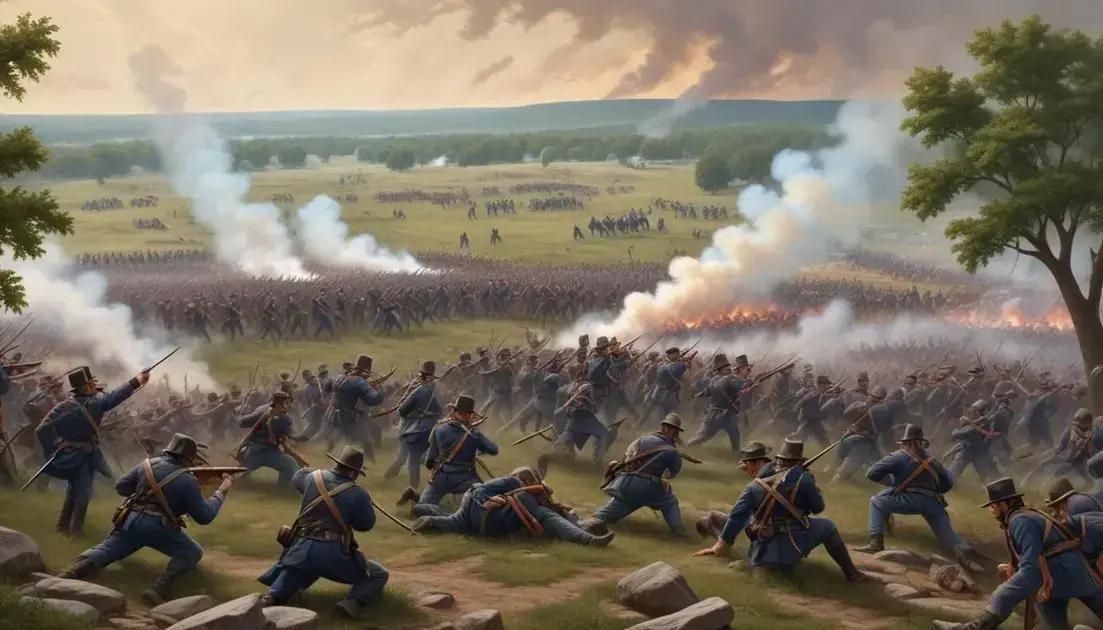
During the battle, thousands of soldiers faced each other on the fields. The Union defense held strong on the high ground. Key locations like Little Round Top and Cemetery Ridge played crucial roles in the outcome.
On the third day, Lee ordered a bold attack known as Pickett’s Charge. It was a massive assault that ultimately failed, resulting in heavy Confederate losses. This ended any hope of a Southern victory at Gettysburg.
The Aftermath
After the battle, the Union had lost over 23,000 men, while the Confederates had about 28,000 casualties. It was a turning point that led to the Union gaining the upper hand in the war.
President Abraham Lincoln later honored the fallen soldiers with the Gettysburg Address. His speech emphasized unity, freedom, and the need to continue fighting for the ideals of democracy.
Today, Gettysburg stands as a symbol of sacrifice and bravery. Its significance goes beyond the battlefield, reminding us of the costs of war and the pursuit of liberty.
Key events during the battle
During the Battle of Gettysburg, several key events shaped the outcome of the war. Understanding these events can help us appreciate their significance.
Day One: Fighting Begins
The battle started on July 1, 1863. The Confederates attacked Union cavalry in Gettysburg. Fighting was fierce as both sides clashed throughout the day.
As evening approached, the Union forces fell back to higher ground. They took positions on Cemetery Hill and Cemetery Ridge. These heights offered a strong defensive advantage.
Day Two: The Flanks Are Tested
The second day was crucial. Lee aimed to break the Union flanks. He ordered attacks on both ends of the Union lines. Little Round Top became a critical spot.
Union troops fought hard to hold this position. Colonel Joshua Chamberlain’s 20th Maine defended it fiercely. They repelled multiple Confederate charges with bravery and tactics.
Day Three: Pickett’s Charge
On July 3, the last day, Lee made a bold move. He ordered an attack known as Pickett’s Charge. This involved more than 12,000 men advancing across open ground.
The charge aimed at the center of the Union line on Cemetery Ridge. However, strong defensive fire took a heavy toll on Confederate soldiers. This attack ended in failure and significant loss for the South.
The Union’s ability to hold their ground in these critical battles marked a turning point in the Civil War. Gettysburg became a symbol of resilience and determination.
Aftermath and implications
The aftermath of the Battle of Gettysburg had significant implications for both the Union and the Confederacy. It marked a turning point in the American Civil War, affecting strategies and morale.
Union Victory’s Impact
The Union victory at Gettysburg boosted Northern morale. This success strengthened public support for the war. It also helped the Union Army gain confidence in their ability to win.
After the battle, Union General George Meade did not pursue Lee’s army vigorously. This decision allowed the Confederate forces to retreat safely. Some people criticized Meade for not pressing the attack.
Change in Confederate Strategy
For the Confederacy, loss at Gettysburg was a severe blow. It changed their strategy for the war and ended Lee’s hopes of invading the North.
After Gettysburg, the Confederate Army was weakened and faced challenges in recruiting new soldiers. They could no longer afford major offensives like before.
The Gettysburg Address
President Abraham Lincoln recognized the battle’s importance. A few months later, he delivered the Gettysburg Address at the dedication of the cemetery. His speech highlighted the principles of equality and the importance of preserving the nation.
Lincoln’s words inspired many to continue fighting for the Union’s cause. The address became a key moment in American history, emphasizing the need for unity.
Long-term Effects
The Battle of Gettysburg had lasting effects on the Civil War. It marked the beginning of a series of Union victories. These victories led to the eventual defeat of the Confederacy in 1865.
Gettysburg also remains a symbol of sacrifice and determination. It is remembered in American culture as a pivotal event that shaped the nation.
Legacy of Gettysburg
The legacy of the Battle of Gettysburg extends far beyond the battlefield. It is a significant part of American history. The battle shaped the nation and its values.
A Symbol of Sacrifice
Gettysburg is remembered for the bravery of soldiers on both sides. Thousands lost their lives during those fierce days. Their sacrifice is honored every year.
The site of the battle became a place of remembrance. People visit Gettysburg to pay their respects and learn about the past.
The Gettysburg Address
Abraham Lincoln’s Gettysburg Address added to the battle’s legacy. His speech emphasized the principles of equality and freedom. He called for a new birth of freedom for the nation.
This speech is often quoted and cited. It reflects the ideals of democracy and the importance of unity.
Impact on Civil War Strategy
The battle also influenced military tactics in the Civil War. After Gettysburg, the Union Army gained momentum. They shifted from defense to offense, leading to more victories.
General Lee’s army struggled to recover after this loss. They faced declining resources and morale, which affected their future strategies.
Commemoration and Education
Today, Gettysburg serves as a historic site. It teaches future generations about the Civil War and its consequences. Battlefield tours and reenactments help keep this history alive.
Many organizations work hard to preserve the site. They ensure that the lessons learned from Gettysburg are never forgotten.
Conclusion
In conclusion, the Battle of Gettysburg remains a vital part of American history. Its legacy teaches us about bravery, sacrifice, and the fight for freedom. The lessons learned from this battle continue to shape our understanding of democracy and unity.
Through the Gettysburg Address, President Lincoln reminded us of the values that bind us together. As we honor those who fought, we must also learn from their courage. Gettysburg is not just a battlefield; it is a symbol of hope and resilience for generations to come.