Triangle Fire: tragedy that transformed labor laws
The Triangle Fire was a tragic incident that led to significant changes in workplace safety and labor laws in the U.S. It resulted in 146 deaths, emphasizing the need for improved safety regulations and protocols. Following the fire, new laws were implemented to protect workers, addressing issues like fire safety and health standards. The event sparked a stronger labor movement, highlighting the importance of collective action among employees. Today, the legacy of the Triangle Fire continues to influence workplace policies and the fight for workers’ rights.
Triangle Fire was a tragic incident that not only changed lives but also reshaped labor laws in America. Dive in to uncover its impactful history!
Introduction to the Triangle Fire
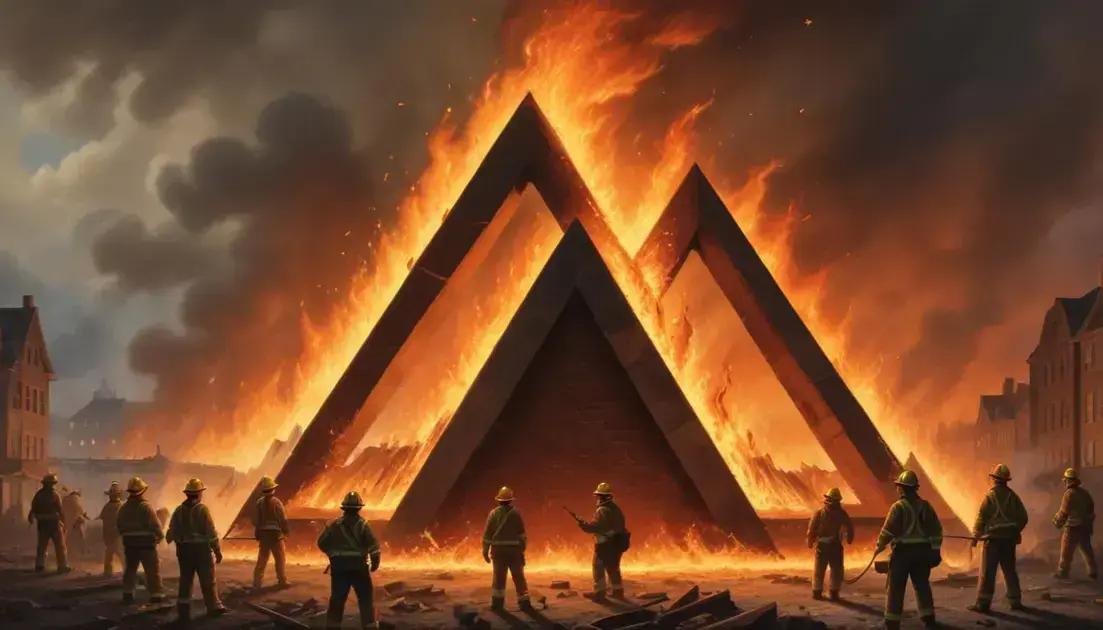
The Triangle Fire took place on March 25, 1911, in New York City. This tragic event claimed the lives of 146 workers, most of whom were young immigrants. They were trapped in a garment factory, unable to escape due to locked exits and poor safety conditions. The fire spread quickly, highlighting the urgent need for better workplace safety regulations.
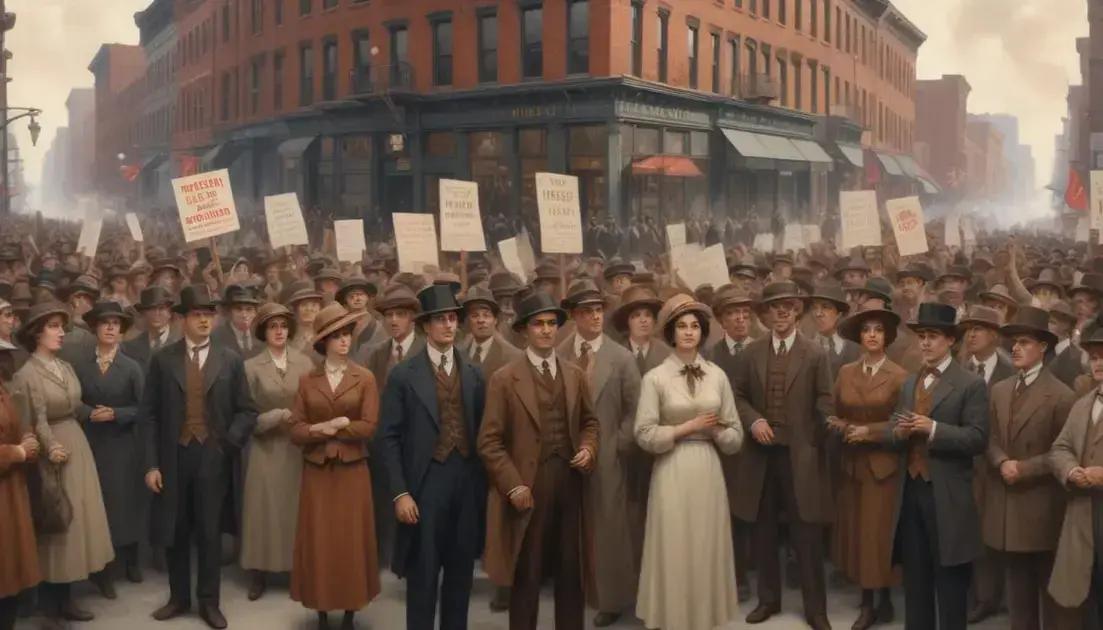
Following the disaster, the public was shocked. Stories of the victims and their families stirred emotions across the nation. Many knew that this was not just a factory issue; it was a fight for human rights. People began to protest and demand changes in labor laws.
As a result, the Triangle Fire became a major turning point for labor rights in America. It opened people’s eyes to the unsafe working conditions many faced. New laws were put in place, focusing on workplace safety, fire codes, and building regulations.
The tragedy of the Triangle Fire is not just a historical event; it represents a crucial shift in how we think about worker safety and rights today. Its legacy continues to impact labor laws and protect workers in their workplaces.
Impact on Labor Laws
The Triangle Fire had a huge impact on labor laws in America. After the tragedy, people realized that safety in the workplace was not just an option—it was a right. The deaths of 146 workers sparked anger and drove many to push for change.
In the wake of the fire, lawmakers began to listen. They saw that unsafe conditions could no longer be ignored. New regulations started appearing, focusing on better safety measures. Things like fire escapes and inspection requirements became a priority.
Labor unions also grew stronger during this time. Workers started organizing to demand safer working conditions. They understood that collective action could lead to real change. Strikes and protests became more common as employees sought fair treatment.
By the 1920s, significant improvements took shape. Laws were passed to regulate working hours, child labor, and workplace health. These changes aimed to protect workers from the dangers that the Triangle Fire had made so clear.
The legacy of the Triangle Fire shows that progress is often born from tragedy. The event taught us that every worker deserves a safe environment. Its impact on labor laws continues to shape the rules we follow today.
Changes in Workplace Safety
After the Triangle Fire, workplace safety became a crucial issue. Many people demanded change to protect workers from future tragedies. Laws were created to ensure safer environments in factories and workplaces.
One major change was the introduction of fire safety regulations. Buildings were required to have better fire exits, alarms, and sprinkler systems. These rules aimed to prevent another disaster like the Triangle Fire.
Inspections also became more common. Inspectors checked factories to ensure they followed safety laws. If a company didn’t comply, they could face fines or shutdowns. This helped hold employers accountable for worker safety.
Additionally, safety training programs were introduced. Workers learned what to do in emergencies and how to stay safe on the job. This education empowered employees, making them feel more secure at work.
As a result of these changes, the workplace became safer for many workers. Laws not only focused on fire safety but also on health standards, ergonomics, and equipment usage. The Triangle Fire turned into a powerful reminder of the importance of safety for all workers.
Lessons Learned
The Triangle Fire taught many important lessons about worker safety and rights. One of the biggest lessons is that safety must come first. Workers deserve to feel safe while they do their jobs. If safety measures are ignored, it can lead to tragic consequences.
Another lesson is the power of collective action. When workers come together, they can demand better conditions. This unity led to stronger labor laws. It showed that people can make a change when they stand up for their rights.
The tragedy also highlighted the need for ongoing training. Employers must provide safety training to all workers. It’s crucial for workers to know how to respond in emergencies and understand safety protocols.
Lastly, the event reinforced the importance of regulations. Strong laws help protect workers from exploitation and unsafe conditions. These laws ensure that employers prioritize safety over profits.
Overall, the Triangle Fire remains a reminder of what can happen without proper safeguards. The lessons learned continue to shape labor practices today.
Conclusion
The Triangle Fire stands as a symbol of the ongoing fight for worker safety. It showed that tragic events can lead to meaningful changes. Workers deserve safe environments, and this incident amplified the call for better regulations.
Every lesson learned from the fire continues to influence labor practices today. From stronger safety laws to better training, every advancement helps protect workers. The legacy of the Triangle Fire inspires ongoing discussions about workers’ rights.
Let’s remember the past while striving for a safer future in all workplaces. Everyone has the right to work in a safe place.
Conclusion
In conclusion, the Triangle Fire highlights the need for continuous improvement in workplace safety and workers’ rights. The tragedy brought about significant changes that still affect labor laws today. It serves as a reminder that every worker deserves to feel safe on the job.
The lessons learned from this event paved the way for stronger regulations and better safety protocols. By remembering what happened, we can continue to advocate for better conditions for all workers. Every step toward safety is a step toward justice and respect in the workplace.