Prohibition: when America banned alcohol
Prohibition in the United States, which lasted from 1920 to 1933, aimed to eliminate alcohol consumption but inadvertently led to a rise in organized crime and a complex relationship with alcohol in society. The 18th Amendment banned alcohol, spawning illegal speakeasies and bootlegging operations by notorious gangsters. The law’s eventual repeal by the 21st Amendment reflected public disillusionment and economic concerns during the Great Depression. The legacy of Prohibition continues to influence American laws and attitudes towards alcohol today, highlighting the balance between personal freedom and government control.
Have you ever thought about the impact of Prohibition on American society? This was a complex time that led to unforeseen consequences. Let’s delve into this intriguing part of history!
The Origins of Prohibition
The origins of Prohibition date back to the early 20th century. Social reformers wanted to end alcohol consumption. They believed getting rid of alcohol would improve society. Groups like the Women’s Christian Temperance Union led this charge.
Many people felt that alcohol caused problems. Issues like crime, poverty, and family breakdown were often blamed on drinking. So, reformers pushed for laws to ban alcohol altogether.
In 1919, the 18th Amendment was ratified. This amendment made the manufacture, sale, and transportation of alcohol illegal. However, it also sparked a rebellion. Many Americans still wanted to drink.
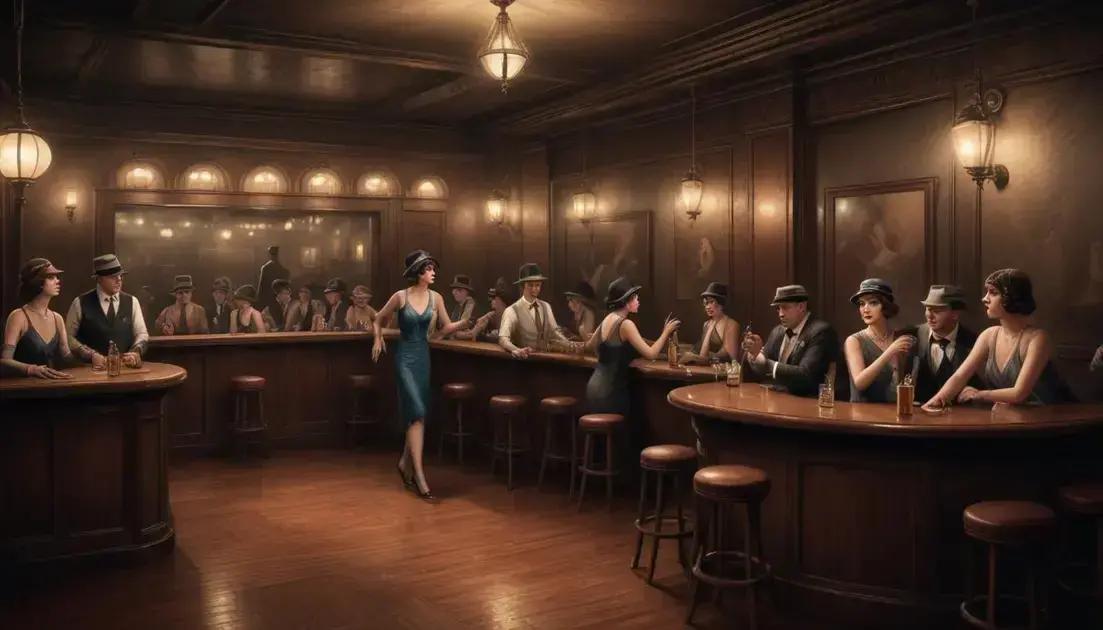
People found ways to get alcohol, leading to the rise of speakeasies and bootlegging. Speakeasies were secret bars where people could enjoy drinks. Bootleggers were those who smuggled alcohol to sell illegally.
As the years went on, it became clearer that Prohibition didn’t solve society’s problems. Instead, it created new ones, like organized crime. Mobsters took control of the illegal alcohol trade, leading to violence and corruption.
This complicated history shows us that good intentions don’t always lead to good outcomes. Prohibition raised questions about personal freedom and government control that are still relevant today.
The Effects on Society
The effects of Prohibition on society were significant and far-reaching. Many people initially supported the ban on alcohol. They thought it would reduce crime and improve health. However, this was not what happened.
Instead of stopping drinking, Prohibition led to a rise in illegal activity. Speakeasies opened up everywhere. These secret bars let people drink, even when it was illegal. Law enforcement struggled to keep up.
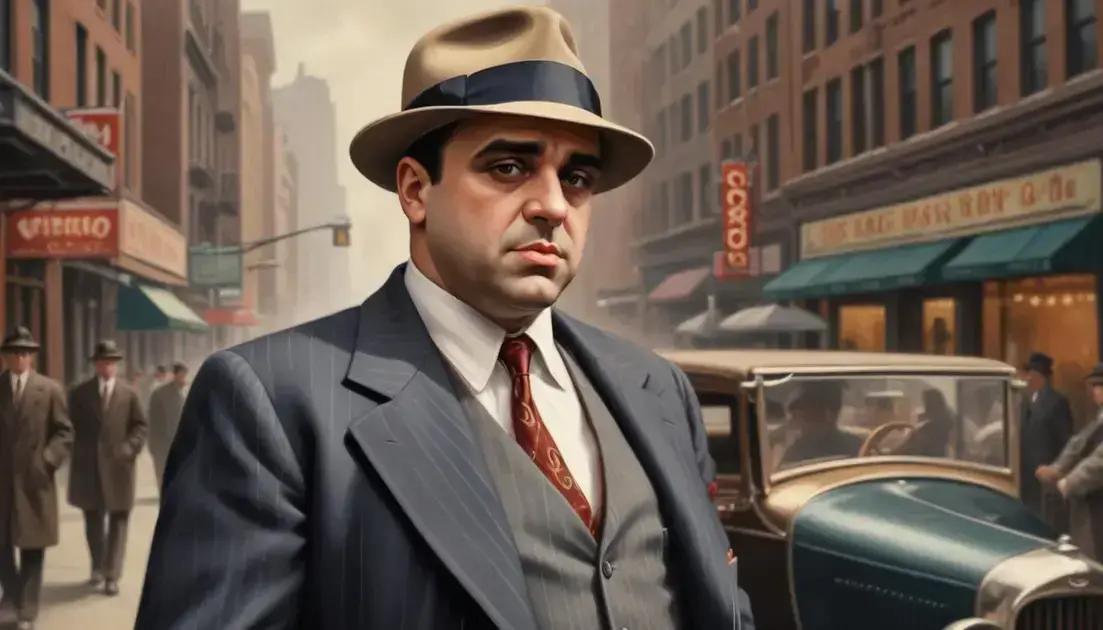
Organized crime took advantage of the situation. Gangsters like Al Capone became famous for smuggling alcohol. They made huge profits from the illegal alcohol trade. This encouraged violence and corruption in many cities.
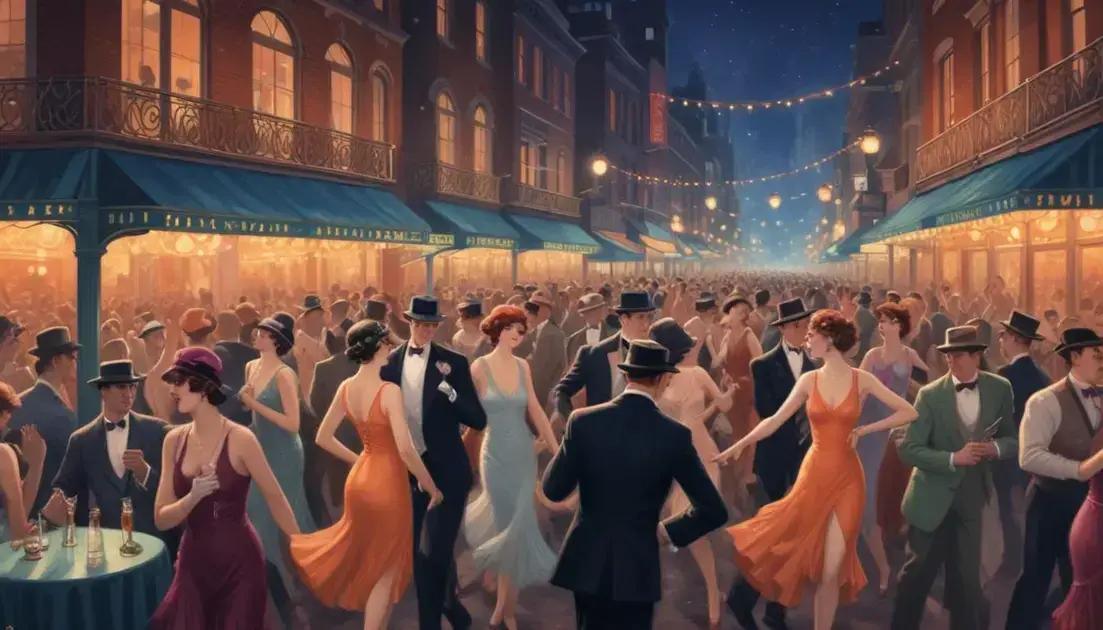
In addition to crime, Prohibition changed social habits. Drinking became a symbol of rebellion. Many people viewed it as a daring act. The nightlife thrived with jazz music and dancing.
Families also faced hardships during this time. Many men lost their jobs as breweries and distilleries shut down. This added stress to homes and increased tensions.
Public health did not improve as expected. Instead of lowering alcohol-related health issues, people turned to dangerous alternatives. These substitutes were often toxic and caused serious harm.
The societal impact of Prohibition shows how laws can shape culture. While intended to protect, they sparked conflicts and changes that altered lives and communities.
The Rise of Organized Crime
The rise of organized crime during Prohibition changed the landscape of American society. With alcohol banned, criminals saw a golden opportunity. They stepped in to produce and sell illegal liquor.
Gangs became powerful during this time. They controlled the supply of alcohol and made huge profits. Infamous gangsters, like Al Capone, led these operations. They used violence and intimidation to protect their turf.
Organized crime thrived in cities like Chicago and New York. Speakeasies needed protection, so gangsters provided it. This often involved deadly rivalries and turf wars between groups.
Corruption also increased. Some police officers and politicians accepted bribes. They turned a blind eye to illegal activities. This made it hard for law enforcement to combat crime.
The mob not only sold alcohol but expanded into other illegal businesses too. They engaged in gambling, prostitution, and drug dealing. This allowed them to gain even more control.
As a result, organized crime had lasting effects on American culture. The fear and violence associated with these gangs created a chaotic environment. The public’s perception of crime shifted dramatically in these years.
Ultimately, the rise of organized crime during Prohibition showed how attempts to regulate behavior can backfire. It sparked a pop culture fascination with gangsters that continues to this day.
The End of Prohibition
The end of Prohibition marked a significant change in American history. By the early 1930s, many people were tired of the ban on alcohol. It led to more problems than it solved.
Public opinion began to shift. People wanted the government to regulate alcohol instead of banning it. Many felt that legalizing alcohol could help the economy, especially during the Great Depression.
In 1933, the 21st Amendment was ratified. This amendment repealed the 18th Amendment, officially ending Prohibition. It allowed the sale and consumption of alcohol once more.
The return of legal liquor brought immediate changes. Bars and breweries reopened, creating jobs and boosting the economy. People celebrated the end of Prohibition with parties and festivities.
However, the effects of Prohibition lingered. Organized crime still thrived, and many gangsters remained active. The legacy of Prohibition influenced American attitudes toward alcohol consumption for years.
With the end of Prohibition, the government began to regulate alcohol sales. New laws emerged to manage licensing and distribution, aiming to keep some control over the industry.
Today, we can see how Prohibition shaped modern society. The movement raised important questions about personal freedom and government authority that still matter. It’s a fascinating part of America’s history that continues to influence discussions about alcohol today.
Legacy of Prohibition
The legacy of Prohibition is seen in many parts of American culture today. Even after it ended, the effects shaped laws and social norms.
One major impact was the rise of organized crime. Criminal organizations grew powerful during Prohibition, and their influence persisted long after. This shift changed how law enforcement viewed crime and punishment.
Prohibition also affected attitudes toward alcohol. It created a complicated relationship between society and drinking. Many people still remember the cautionary tales from those years. They realized that banning something doesn’t always stop it.
Today, alcohol is regulated but not banned. Laws about age limits and taxes reflect lessons learned from Prohibition. These regulations help manage consumption and keep communities safe.
Cultural references to the Prohibition era remain popular. Movies, books, and music continue to celebrate or critique that time. It fascinates people and often romanticizes the thrill of breaking the law.
Moreover, debates about personal freedom vs. government control continue. The question of how much the government should regulate behavior is still relevant. Prohibition raised these issues and opened discussions that are still important today.
Conclusion
In conclusion, the story of Prohibition teaches us many lessons about society and laws. Even with good intentions, banning something can lead to unintended problems. Prohibition fueled organized crime and shifted public attitudes toward alcohol.
Today, we see the effects of that era in our culture and laws. The balance between personal freedom and government control remains a hot topic. Understanding this legacy helps us reflect on past mistakes and make better choices for the future.
As we look back, it’s clear that Prohibition shaped America in ways we still feel today. By studying this history, we can find insights that guide us in a rapidly changing world.